The Story
Why it exists.
The beginning
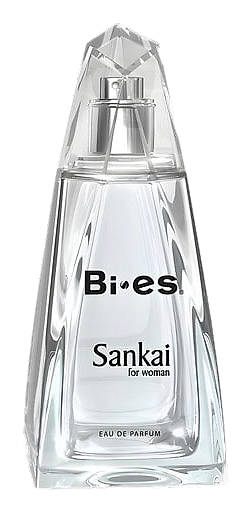
Sankai draws its name from the Japanese concept of mountain flowers, a reference to the traditional practice of hanami, where blossoms become the center of a moment. The idea of a fragrance named for something so specifically tied to appreciation of nature's fleeting beauty felt like the right fit for a composition built on brightness and softness. Bi-es designed Sankai as an everyday fragrance, not a statement scent, but something that works the way a good morning works: unhurried, clean, and quietly uplifting. The citrus-green opening sets the pace, the white florals provide the emotional warmth, and the cedar-mus k base keeps it grounded enough to wear without thinking about it twice.
The structure here is worth sitting with. Most fragrances in this genre lead with a single-note brightness that fades fast, a burst of lemon, a hit of bergamot, then nothing. Sankai's opening is more layered: the citrus isn't solo. It's in conversation with green notes and neroli, which means the brightness doesn't feel thin or one-dimensional. When the florals arrive, they don't crash in, they rise. The mimosa and lily of the valley bring a powdery softness that turns what could have been a generic fresh floral into something with more texture. And the black pepper at the base is a quiet reminder that this fragrance has spine. It's not all softness.
The evolution
The top notes arrive quickly, bergamot, lemon, mandarin orange, all tumbling over each other in the first 30 seconds. The green notes are subtle, more of a freshness than a distinct herbal character. What surprises most people is how soon the florals arrive. Mimosa and freesia begin asserting themselves within five minutes, shifting the scent from citrus-bright to powdery-soft before many people have even finished applying it. The heart is where this fragrance lives. Rose and violet keep the floral aspect from feeling too delicate, there's a quiet warmth there that gives the composition some weight. By the second hour, the base notes begin to surface: cedar first, then musk, and the black pepper that adds just enough sharpness to keep things interesting. The amber is subtle, more of a warmth than a sweetness. The drydown holds for around 2 hours after that, black pepper's quiet spice, cedar's woodiness, and the lingering trace of something powdery and warm. On fabric, the florals can last well into the next day.
Cultural impact
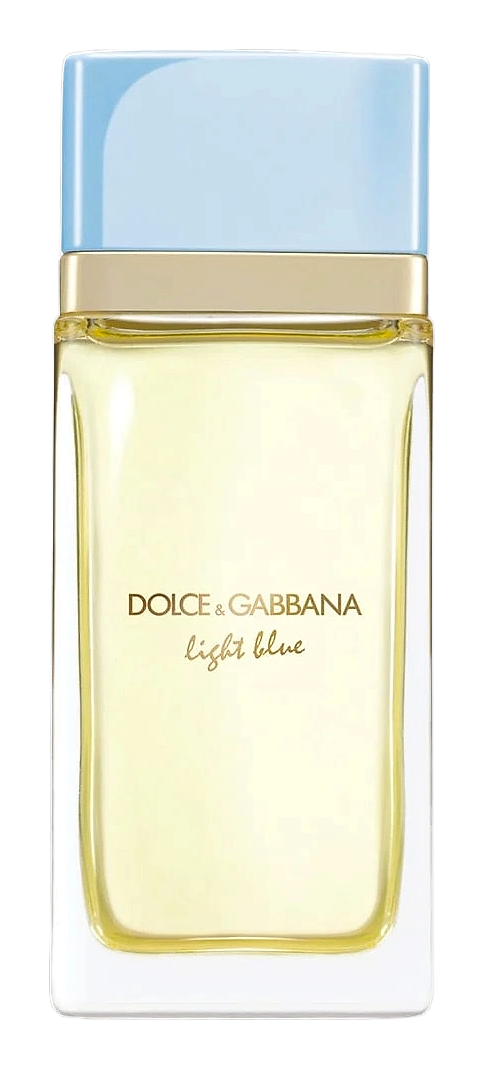
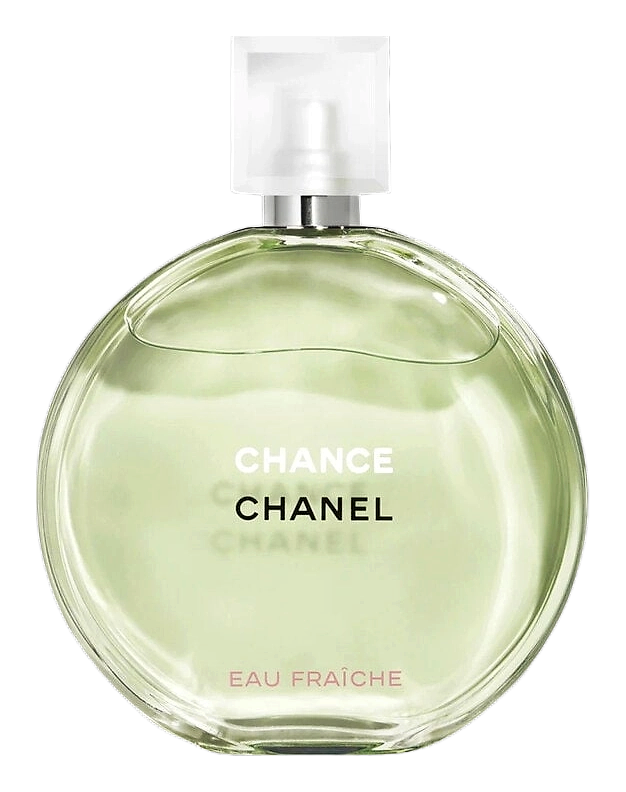
Sankai sits comfortably in the category of fragrances people reach for when they want to smell good without effort, a scent that works for any day, not just occasions. Wearers tend to compare it to fresher, more accessible florals like Chanel Chance Eau Fraiche and Dolce & Gabbana Light Blue. What sets it apart is that green-citrus brightness combined with a notably powdery drydown that gives it a softer, more intimate feel than many of its peers.