The Story
Why it exists.
The beginning
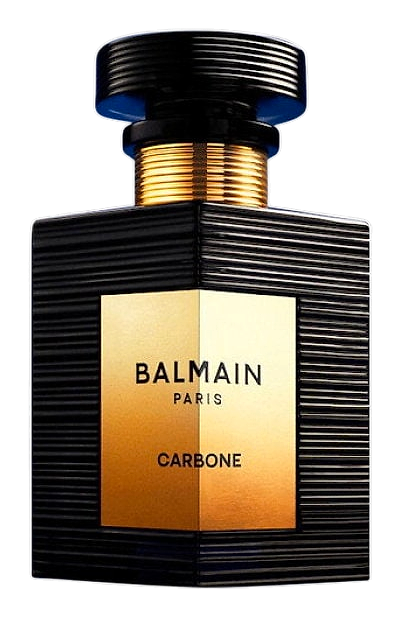
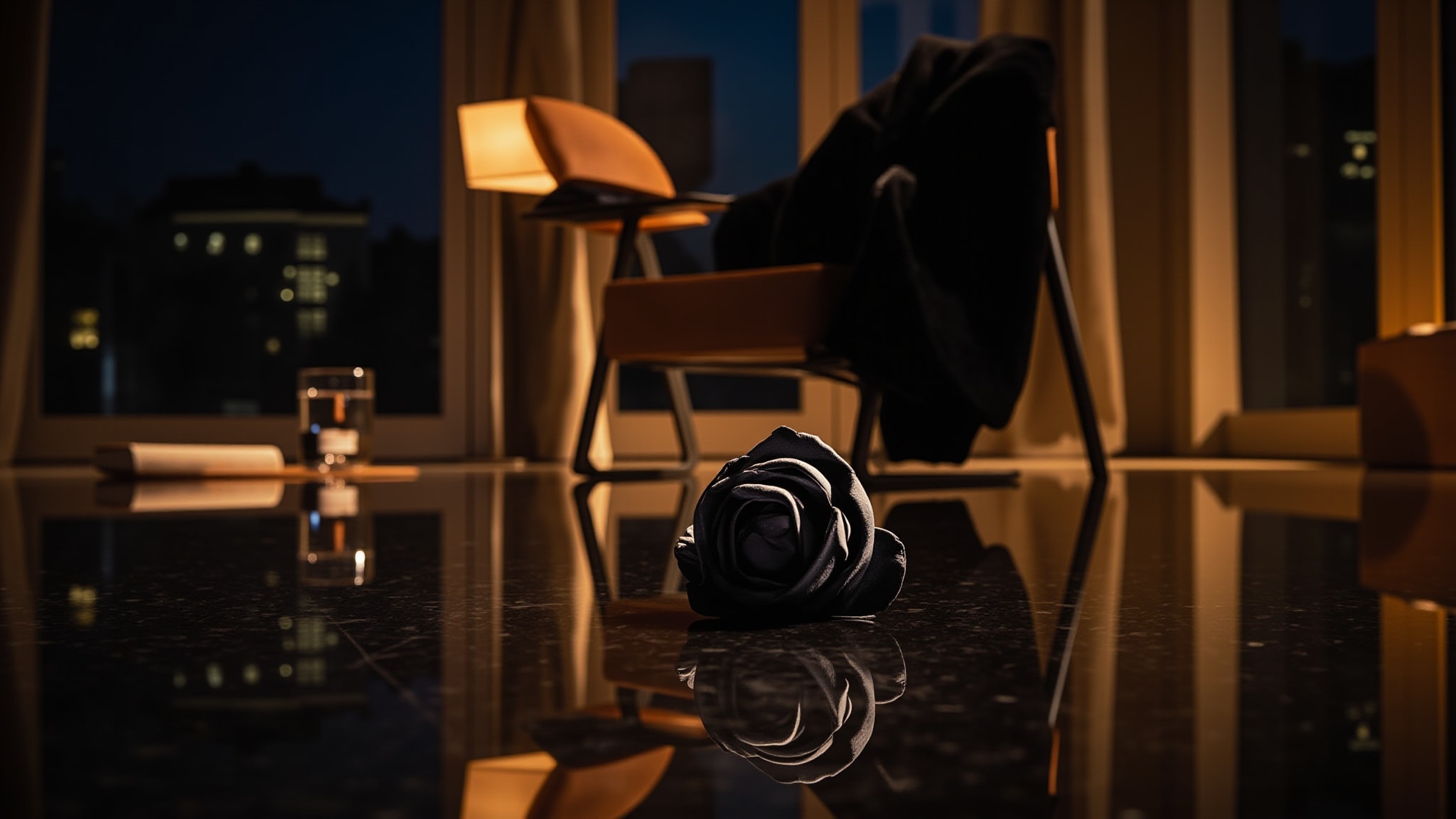
Carbone lands like a whisper inside a shout. Conceived by perfumer Quentin Bisch and part of the Les Éternels Collection, it was built around a single idea: what happens when a maximalist musk shares space with a minimalist rose? The official description frames it as a perfume of opposition, where pure and carnal collide. Bisch, working through Givaudan, gave the concept teeth. Cumin opens sharp and almost animalic, a spice that refuses to behave. Then rose absolute enters as a ghost, present but restrained. The construction is architectural. There's no fat on this composition, no filler florals or decorative citrus. Every element earns its space in a structure that leans dark, leathery, and confident. The result is a fragrance that treats minimalism as an act of nerve, not restraint.
What makes Carbone's structure worth noticing is the asymmetry. The heart is stripped down to a single rose absolute, while the base materials carry the full weight of the composition. Bisch takes a risky approach here, because a solo rose in a leather-dominant structure could easily collapse under the heavier materials surrounding it. The cumin functions as a bridge note, connecting the rose to the suede below. It's a dangerous move, since cumin can easily overwhelm florals, but in Carbone it reads as tension rather than competition.
The evolution
Carbone starts loud, then pulls back. The opening belongs to cumin, raw and almost savory, the kind of spice that announces itself before you understand why. There's heat here, but not the clean burn of pepper or cardamom. This is warmer, more textured, closer to the smell of skin after sun than to kitchen spice. The rose absolute arrives as the cumin begins to settle, and it's not the centerpiece the structure implies. It hovers. A thread of floral sweetness threading through the cumin's roughness, never loud enough to take over, but persistent enough to change the character of the opening. As the hours pass, the heart settles into a quieter register. The suede begins to show, soft and tactile, layered with patchouli's earthiness. Sandalwood enters quietly, lending a creamy backbone that wasn't there before. The white musk underneath holds everything in place.
Cultural impact
Carbone wears like a piece of well-cut tailoring: structured, dark, and built for evening. It's the scent of someone who walks into a room without needing to announce the arrival. The cumin-rose pairing is what sets it apart, giving it a savory edge that's more bistro than boardroom. There's a confidence in the composition that feels earned rather than performed. The leather accord reads as suede rather than saddle, a softness that makes the darkness approachable. It's a fragrance that rewards attention from those nearby without demanding it from across the room.