The Story
Why it exists.
The beginning
Ametista is named after the Italian word for amethyst, a violet variety of quartz prized for its color and clarity. The fragrance was composed by Enzo Galardi, who built the composition around a pale lavender sensibility, not the deep purple drama the stone sometimes suggests in perfumery. Think of amethyst held up against afternoon light rather than the gemstone at full saturation: washed-out, cool, and slightly translucent. Galardi's approach favors that quiet register, building a composition that reads crystalline and gentle rather than ornamental. The name carries the mineral reference lightly, letting the juice itself suggest the stone's character through texture and temperature instead of through any overt gemstone motif.
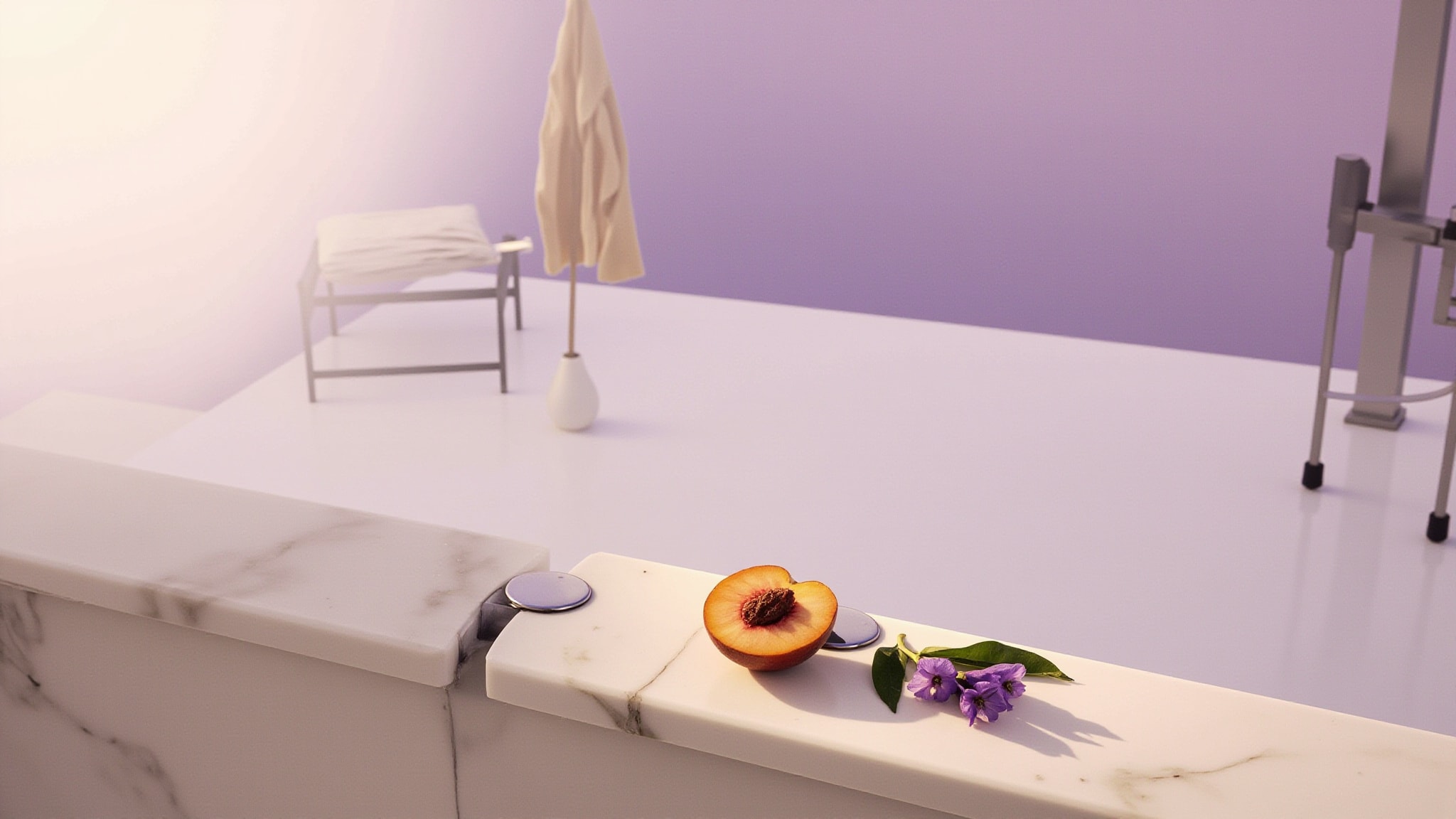
The composition earns its mineral-cool name without ever reaching for literal mineral notes. Instead, the perfumer built that crystalline impression through citrus brightness and violet leaf, then let peach and raspberry soften the edges so the result reads floral-sweet rather than austere. Patchouli in the base keeps it grounded, giving the vanilla and white musk something to lean against.
The evolution
The opening is brisk and almost fizzy. Litsea cubeba and bergamot arrive with the sharp lift of lime and a flicker of coriander, the whole top reads cold and clean for the first stretch. Then the citrus pulls back, and peach slides in beside violet leaf, which gives the transition a green-tinted sweetness, like biting into fruit still cool from the stem. Raspberry arrives without making itself obvious, threading through ylang-ylang to soften what might otherwise feel too crisp. Within the first hour or so, the composition has stopped sparkling and started breathing. Vanilla warms the base alongside patchouli, and the white musk does its usual work, pulling everything into skin-close territory without smothering the sweetness underneath.
Cultural impact
Ametista sits in a quiet corner of the fragrance world: a chypre-fruity release that never reached mass-market visibility and has since become harder to find since production was apparently discontinued. Wearers who track it down describe it as gentle and powdery, a composition that trades loudness for softness. It draws people who want something quietly pretty without aggressive sillage or the theatrical quality of bigger designer releases. The violet-peach-raspberry combination gives it a certain nostalgia, calling to mind the gentle fruit-floral compositions that have appeared across various price points.
The House
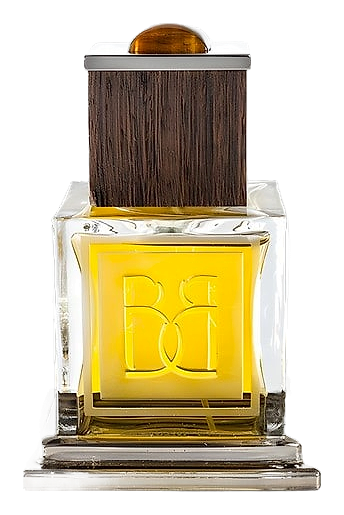
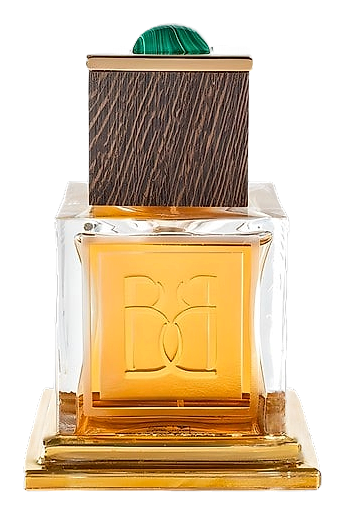
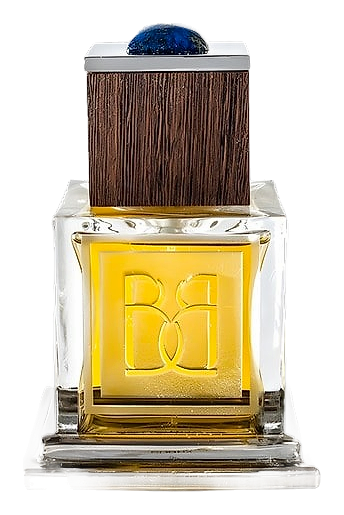
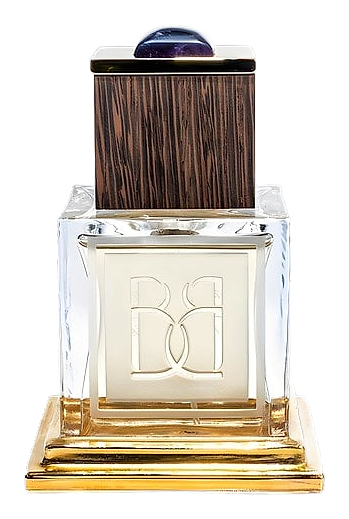
BaldiBaldi is a fragrance house that emerged quietly onto the scene in 2013 with a collection of four scents inspired by semi-precious gemstones. The house made a distinctive debut by naming its debutants after minerals known for their rich colorations and perceived mystical properties: Lapislazzuli, Malachite, Ametista, and Occhio di Tigre. These Italian-language stone names suggest the house's European origins, though independent verification of its founding circumstances, geographic base, or founding figure remains elusive in publicly available fragrance databases. The house appears to have released this quartet and then retreated from prominent visibility, leaving fragrance enthusiasts to piece together what little is known about its brief contribution to the perfume world. Without an attached perfumer or documented subsequent releases, Baldi stands as something of an enigma, a house that announced itself through a cohesive mineral-inspired collection and then largely faded from the discourse.
The Creator
Enzo GalardiEnzo favors natural extracts harvested from the Italian countryside, especially Tuscan lavender, Sicilian lemon zest, and Calabrian bergamot. He layers these bright top notes with heart accords of rose de Mai and rosemary, then grounds the blend with a base of aged oakwood, am…