

Heritage
A house, in its own words
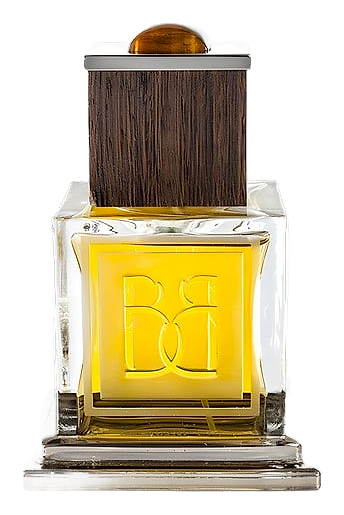
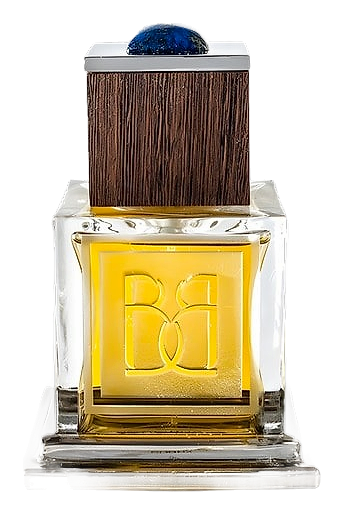
Documentation on Baldi's heritage proves frustratingly sparse. The house reportedly arrived in 2013 with four fragrance launches, each bearing a gemstone name rendered in Italian: Lapislazzuli (lapis lazuli), Malachite, Ametista (amethyst), and Occhio di Tigre (tiger's eye). This mineral-themed naming convention hints at a creative philosophy centered on earth-derived beauty and perhaps the alleged metaphysical properties associated with crystals and semi-precious stones. Beyond the 2013 release year, confirmed by fragrance databases, concrete details about the house's origin story remain unverified. No founder's name appears in the public record, no founding city or country can be confirmed through independent sources, and no subsequent releases have been documented following this initial quartet. The house exists in a peculiar informational vacuum. Some fragrance historians have speculated, based on the Italian nomenclature and stylistic choices, that the house may have Italian connections, possibly rooted in or inspired by Italian artisanal traditions. However, such speculation requires verification that current sources do not provide. The house appears to have produced this singular collection and either ceased operations or operated so quietly that no substantial record survives in mainstream fragrance journalism or retail documentation. Baldi's creative philosophy, insofar as it can be reconstructed from its 2013 offerings, appears rooted in the symbolic and aesthetic vocabulary of gemstones. Each of the four debut fragrances carries a name associated with a mineral prized across centuries for its beauty, rarity, and cultural significance. Lapis lazuli has adorned Egyptian pharaohs and Renaissance paintings. Malachite has decorated Russian imperial palaces and ancient amulets. Amethyst has transitioned from protection against drunkenness in Greek mythology to a beloved fine gemstone. Tiger's eye has served as a talisman for courage and clarity. By titling their debut collection with these names, Baldi appears to have aligned itself with a tradition of perfumery that draws explicit connections between olfactory creation and natural preciousness. The choice of Italian-language names further suggests an appreciation for heritage, craftsmanship, and the Mediterranean tradition of valuing artisanal quality. Without documented statements from the house's principals, however, any interpretation of its philosophy remains inferential rather than confirmed.