The Story
Why it exists.
The beginning
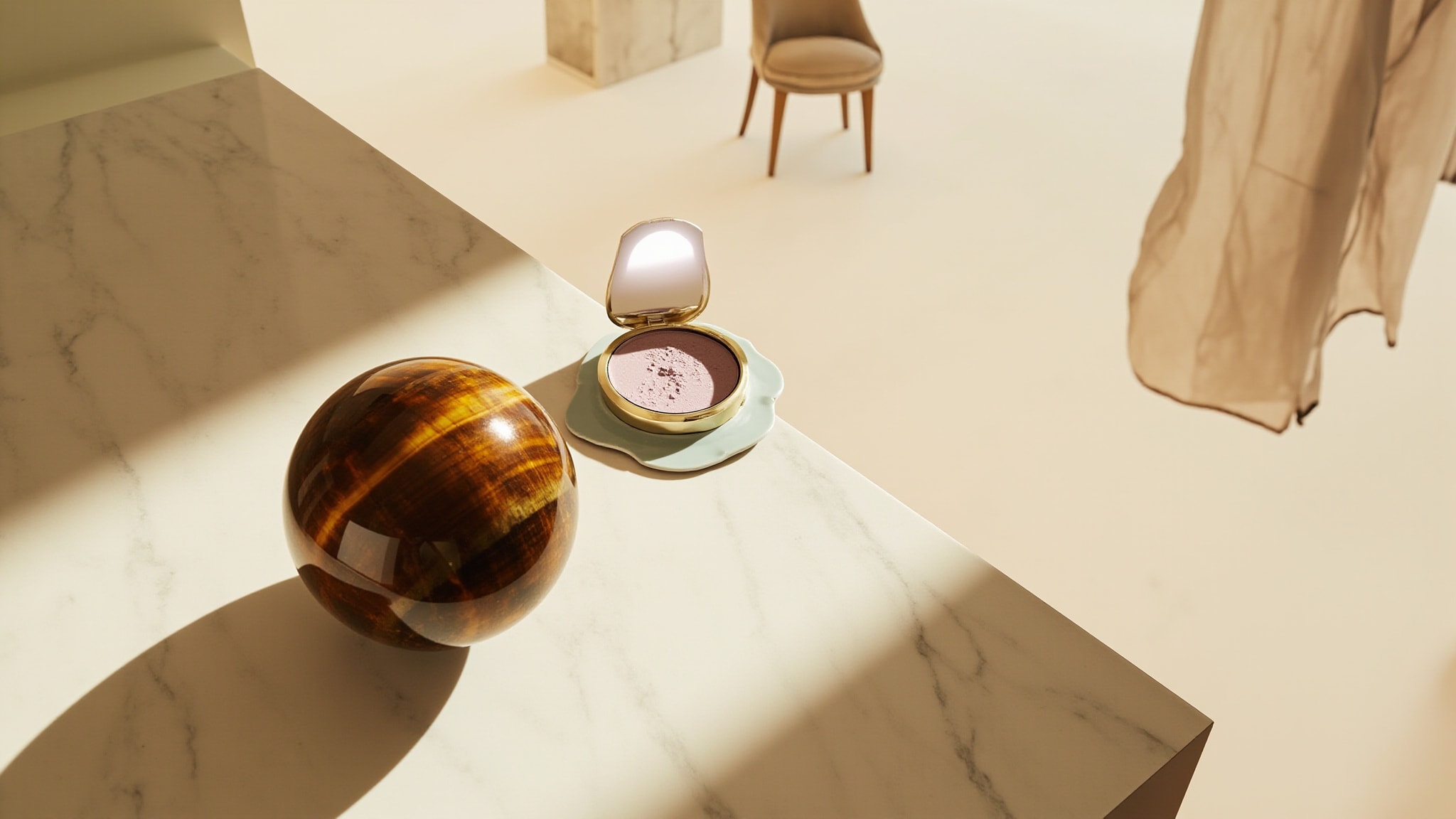
Occhio di Tigre takes its name from Tiger's Eye, a semi-precious stone long believed to offer clarity and grounding to whoever carries it. Baldi's 2013 debut collection drew entirely from this mineral vocabulary, launching four fragrances named after gemstones in Italian. This one, however, doesn't try to smell like a rock. It tries to feel like what the stone is supposed to do: steady you.
The structure mirrors Tiger's Eye's duality. Cool, almost medicinal lavender at the opening gives way to a heart that gets warmer and more complex, sage, nutmeg, geranium doing the work of turning restraint into warmth. The base is where the stone's reputation lives: benzoin and vanilla creating that powdery, protective softness while patchouli keeps everything grounded. It's not coincidence that the drydown outlasts everything else. Tiger's Eye is supposed to last.
The evolution
The opening hits with an herbal bite, lavender's cool sharpness softened immediately by coriander's spice and bergamot's citrus. Within minutes the bergamot fades and the composition shifts, becoming denser. Sage arrives next, green and slightly bitter, while the coriander settles into the background like a low hum. The heart phase is where Occhio di Tigre earns attention: the nutmeg and geranium add a warmth that wasn't present at the start, and the lavender begins its slow exit. This transition, cool to warm, green to sweet, happens over the first hour. The drydown is where the name makes sense. Vanilla, benzoin, and heliotrope form a soft powdery warmth that wraps around patchouli's earthy base. This phase lasts. The 8-10 hour longevity enthusiasts users report comes from this drydown, not the opening, it's the scent that stays close and lingers on fabric the next morning.
Cultural impact
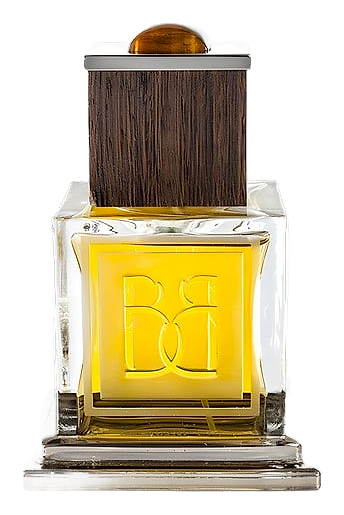
Baldi's 2013 debut collection remains largely undocumented outside fragrance databases, with no verified press coverage or public reception records available. Occhio di Tigre's strong vanilla-powdery character places it in the tradition of warm, oriental-adjacent compositions popular in niche perfumery rather than mass market releases. The house's decision to credit Enzo Galardi as both perfumer and bottle designer is notable in a segment where such dual attribution is uncommon.