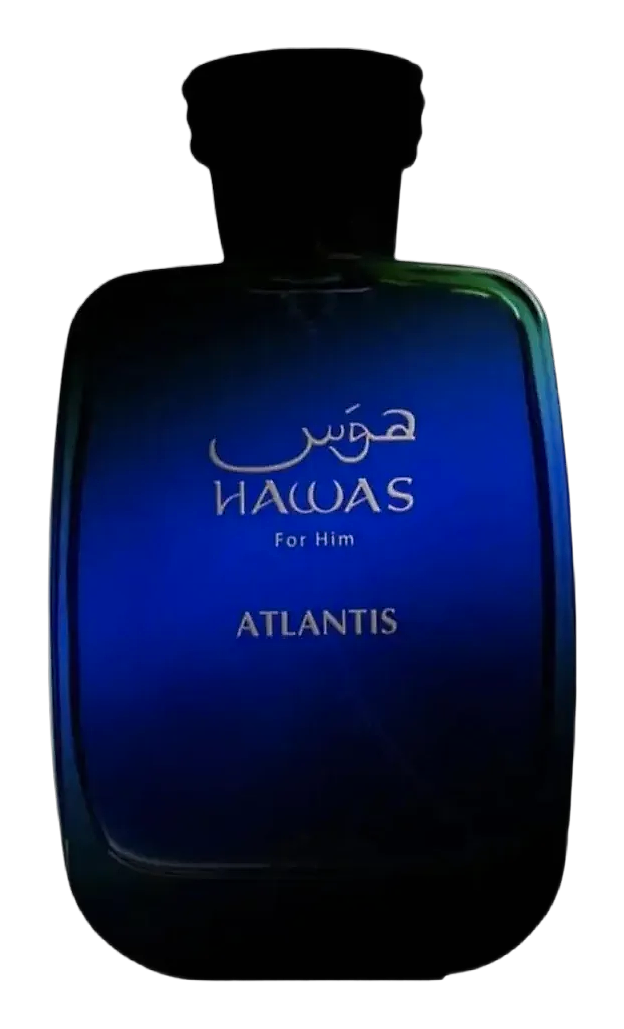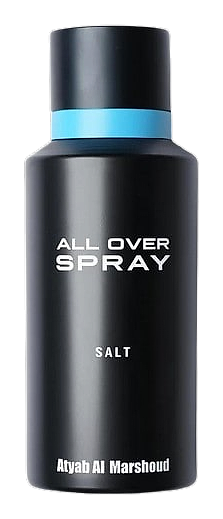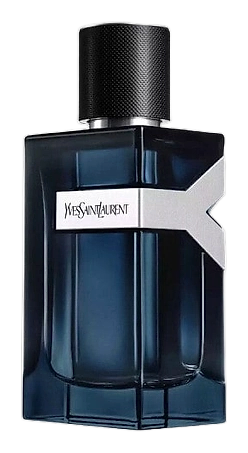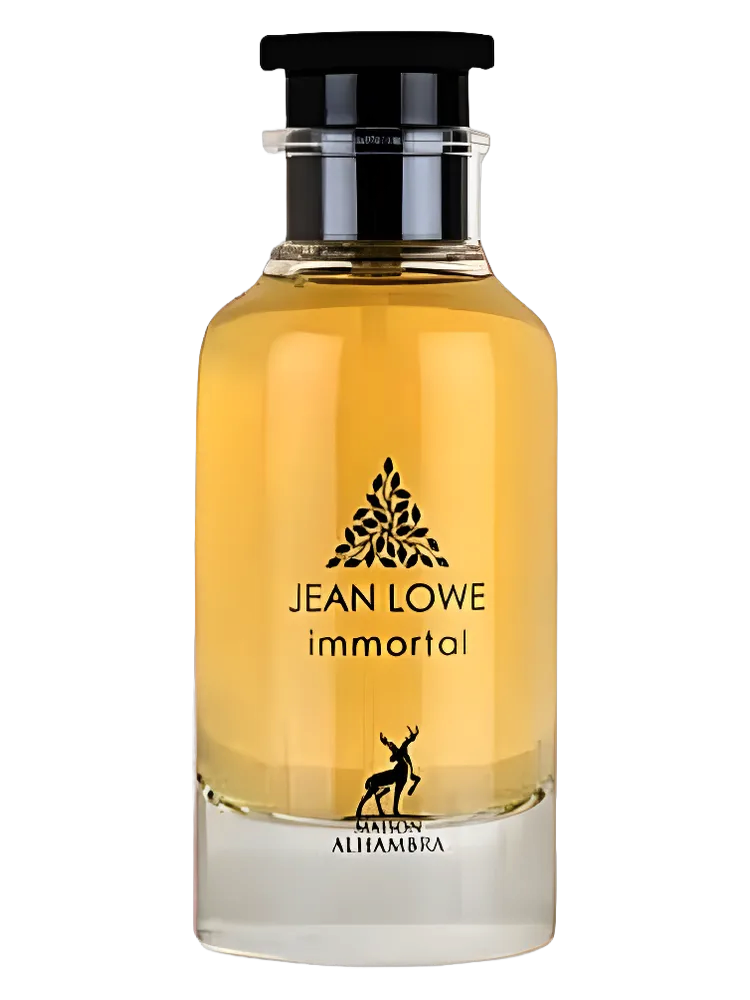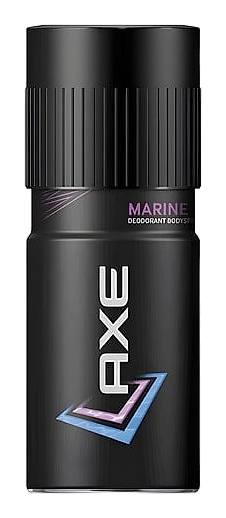

The Story
Why it exists.
The beginning
Ann Gottlieb built Marine in 1989 with one job: make the ocean smell like a decision, not a vacation. The goal was simple. Citrus. Herb. Something that read as clean from across the room. The pyramid holds. Aldehydes at the top give it sparkle. Calone to hold the water. Herbal heart to keep it from floating away. Oakmoss and cedar at the base so it didn't disappear after an hour. But Marine wasn't trying to be just a moment. It needed to be a full fragrance system, not a snapshot. Aldehydes provide that initial sparkle and lift. Calone captures the water note and its ozonic, slightly metallic quality. The herbal heart prevents the composition from drifting away entirely. Oakmoss and cedar anchor the base, ensuring the scent lingers rather than vanishing within an hour.
Calone, also known as watermelon ketal, gives marine fragrances their characteristic ozonic, slightly metallic water note. Used here with aldehydes, it doesn't just smell like the ocean. It smells like the moment before the ocean: cold, mineral, sharp. The aldehydes amplify that by adding a brightness that reads almost like sunlight on salt water. Lemon and verbena keep the top from going flat. Then the heart takes over with rosemary, geranium, and clary sage, green, slightly medicinal, and deeply herbal.
The evolution
Marine opens with a sharp, bright burst, aldehydes and calone hitting first, giving that characteristic ozonic lift that smells like cold sea air. Lemon and verbena add citrus freshness that cuts through immediately. This is the phase that either makes or breaks the fragrance depending on your relationship with synthetic aquatics. The heart arrives within about twenty minutes, softening the aldehydic brightness into something greener. Rosemary and geranium establish themselves first, followed by clary sage and iris threading through. The calone doesn't disappear, it transforms, becoming less sharp and more integrated with the herbal quality. The transition feels smooth, a natural evolution that works well for this fragrance category. By the third hour, the drydown settles into cedar and white musk with oakmoss providing subtle earthy depth. The patchouli keeps things grounded.
Cultural impact
Marine fragrances emerged as a cultural force in the 1990s, reshaping how men approached personal scent. The aquatics category offered something distinct from the heavier, more traditional fragrance families that had dominated before. The fresh, clean profile represented a shift toward approachability and everyday wearability. Marine stood apart by bringing a sophisticated quality through its use of ozonic and aquatic notes. The mineral, fresh, bright character gave it an edge that felt both modern and accessible.