




Heritage
A house, in its own words
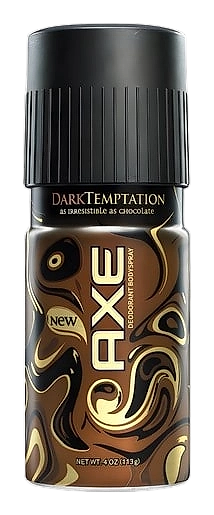
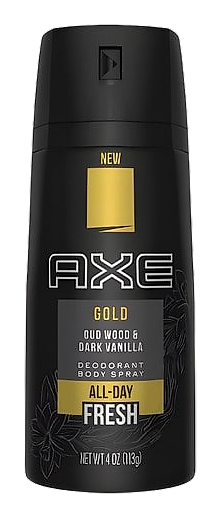
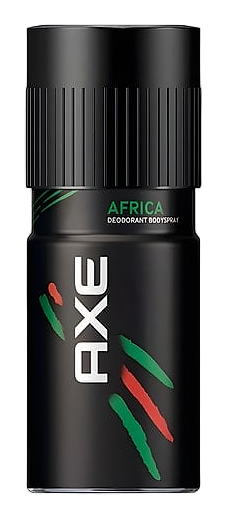
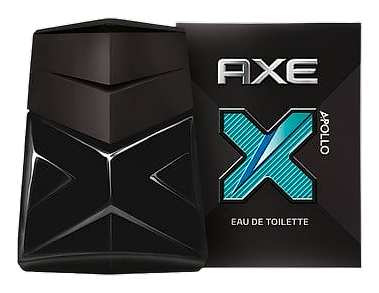
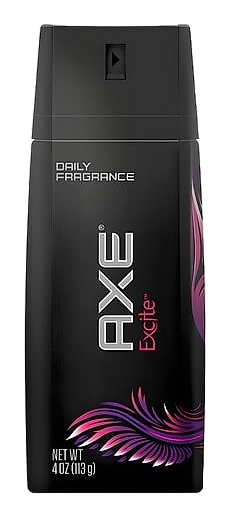
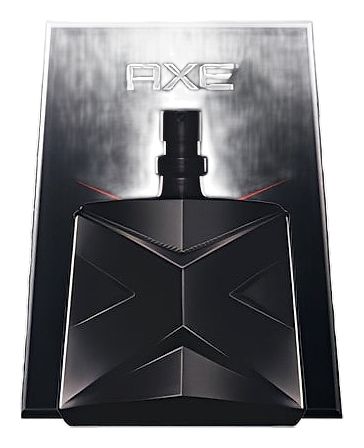
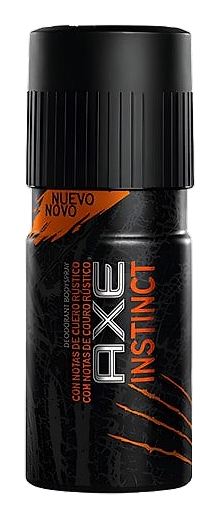
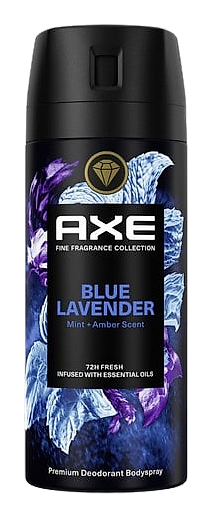
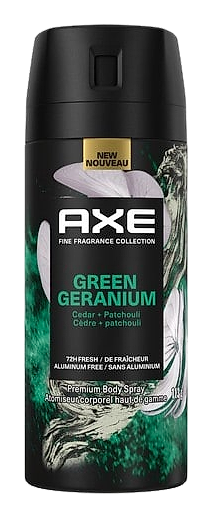
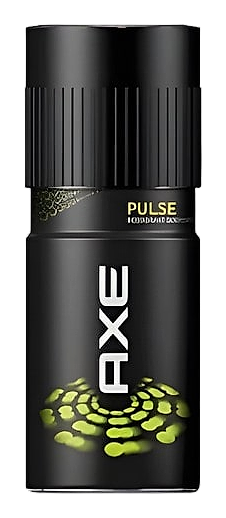
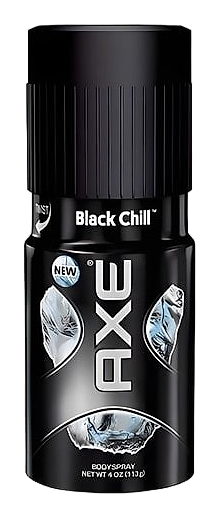
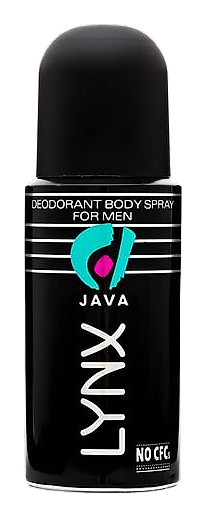
Axe traces its origins to June 6, 1983, when Unilever launched the brand in France with three founding variants: Musk, Amber, and Spice. The timing placed the brand squarely within a period when male grooming was expanding beyond traditional razor and shave products into scented body care. Unilever, the London-based consumer goods giant, developed Axe to capture a demographic that previous male fragrances had largely overlooked, namely younger men entering the fragrance market for the first time. The brand quickly became synonymous with direct, attention-grabbing advertising. Rather than positioning itself within the discreet world of traditional perfumery, Axe adopted a bold marketing approach that generated widespread conversation. This strategy, sustained across decades, helped the brand build name recognition across numerous countries. By the 2000s, Axe had established itself as a fixture in the mass-market fragrance segment. The brand expanded its scent library considerably, releasing new variants on an annual basis. This cadence allowed Axe to experiment with different olfactory directions, from tropical and fresh interpretations to warmer, more oriential compositions. The brand's willingness to iterate and introduce new products frequently set it apart from prestige fragrance houses that typically operated on longer development cycles. In the 2010s and 2020s, Axe shifted strategy toward the Fine Fragrance segment, partnering with major fragrance houses to develop scents positioned at a higher tier within its own portfolio. This move reflected broader market trends as younger consumers demonstrated interest in scent quality that extended beyond basic body spray formulations. The evolution from mass-market body spray to fine fragrance represented a notable trajectory for a brand that had built its initial reputation on accessibility and provocation rather than artisanal perfumery credentials. Axe operates from the premise that fragrance should not require decades of expertise to appreciate. The brand targets men who are discovering scent as part of their grooming routine, positioning itself as an entry point into the wider world of fragrance. This democratizing intent shapes both product development and marketing, where Axe consistently favors approachability over exclusivity. The brand's communication style has historically leaned into humor, provocation, and hyperbolic scenarios, a strategy that generated both criticism and cultural resonance. Rather than the understated elegance favored by traditional fragrance marketing, Axe built its voice around boldness and directness. This approach resonated particularly with younger audiences who responded to the brand's willingness to be self-aware and occasionally absurd. In developing its Fine Fragrance collection, Axe reportedly sought to address what it identified as a gap between mass-market accessibility and prestige pricing. The collaboration with established perfume houses like Givaudan and Firmenich allowed the brand to apply higher-quality ingredients and more complex formulations while maintaining price points below typical luxury offerings. This strategy echoes broader industry conversations about perceived value and the shifting boundaries between mass and prestige fragrance categories. The brand's identity remains rooted in youthful confidence and experimentation. Rather than promising sophistication through tradition or heritage, Axe positions itself around self-assurance and the willingness to make a statement. This orientation distinguishes it from competitors who emphasize lineage or craftsmanship heritage.