
The Story
Why it exists.
The beginning
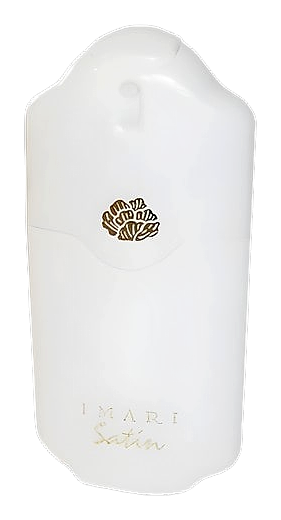
Imari takes its name from the Japanese town famous for decorative porcelain, intricate patterns in red, blue, and gold that decorated tables across the world. The "Satin" in the title signals the texture perfumer Christian Truc was after: smooth, refined, with a sheen that catches light without demanding it. Released in 2004, Imari Satin was designed to be exactly what its name promises, something decorative and beautiful, but built for the home rather than the gallery.
The note pyramid holds a few surprises. Gardenia and heliotrope form the powdery-floral core that most wearers identify as the fragrance's identity, creamy, slightly almond-soft, undeniably feminine. The inclusion of snowdrops is unusual; these tiny bell-shaped flowers carry a cool, green freshness that lifts the sweetness without competing with it. Saffron threads through the heart with a subtle spiced warmth, bridging the bright citrus opening and the warm vanilla-woody base. It's a structure built on contrast: brightness at the top, softness in the middle, depth at the close.
The evolution
The opening hits bright and clean, cassia and bergamot create a citrus spark that doesn't linger. Within twenty minutes the gardenia takes over, and with it comes that characteristic powder-warm feeling: talc, florals, the memory of warm skin. The transition to the drydown is where Imari Satin earns its name. Vanilla emerges slowly, blending with sandalwood and amber until the composition becomes close, soft, almost creamy. The patchouli and mahogany ground everything with a quiet woodiness that keeps the powder from becoming too sweet. On fabric, this one lasts well into evening. On skin, expect four to six hours, intimate sillage, the kind that requires someone standing beside you to notice.
Cultural impact
Imari Satin arrived in 2004 during a period when mass-market women's fragrances leaned heavily into accessible, comfort-oriented compositions. Avon positioned the scent within its prestige-adjacent line, aiming to bridge the gap between drugstore accessibility and department-store sophistication. The powdery floral genre had deep roots in American fragrance culture, and Imari Satin tapped into a lingering appetite for soft, feminine scents that felt familiar without being boring. Its gardenia-heliotrope heart drew from a classic playbook while the saffron and snowdrop inclusions suggested an attempt at subtle differentiation within a crowded market segment.