Snowdrop
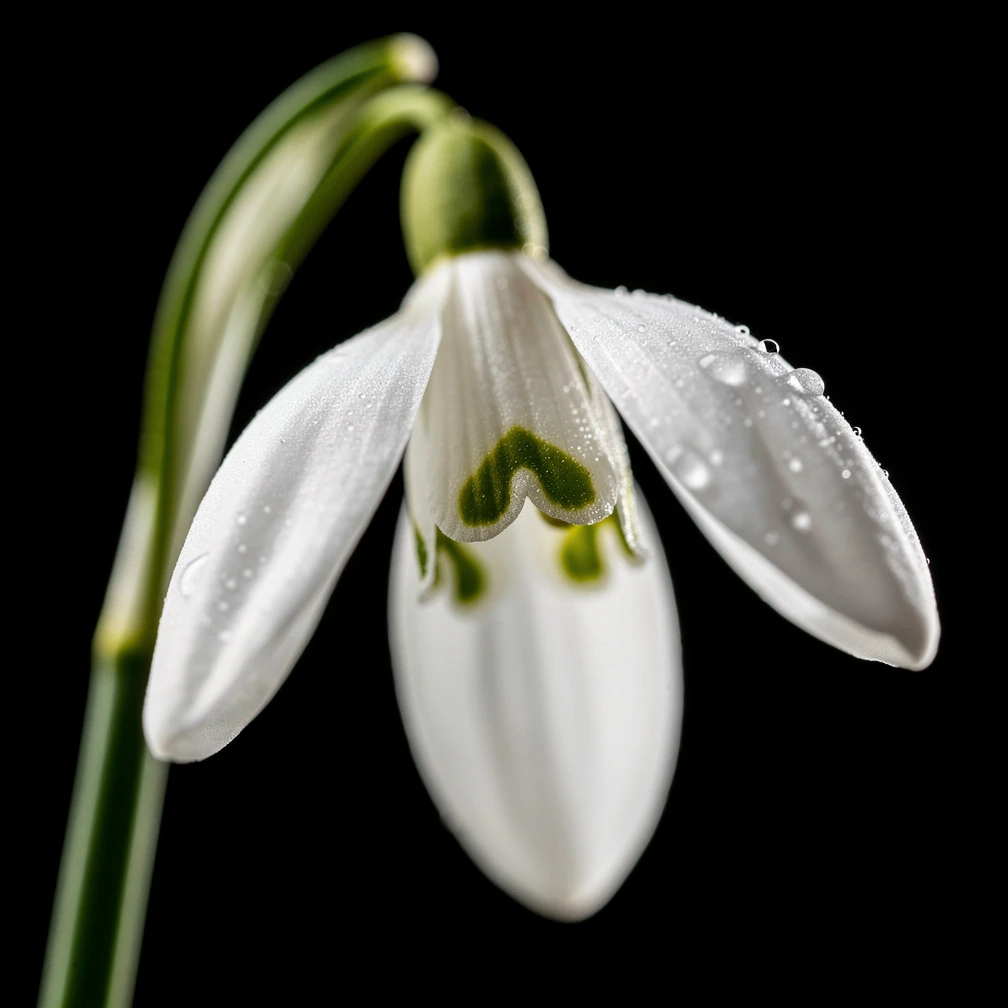
Snowdrop imparts a crisp, delicate freshness to fragrances, evoking the quiet of late winter gardens with subtle green and faintly honeyed floral tones. Its scent appears rarely in perfumery, typically recreated synthetically to capture that fleeting early-spring character. The note works best in transparent, airy compositions where it adds an intimate botanical quality.
Character
How it smells
Winter's first bloom, translated into scent
Snowdrop (Galanthus nivalis) contains galantamine, a compound studied for neurological applications, though the flower itself remains too subtle for standard extraction methods in perfumery.








Origin
Europe
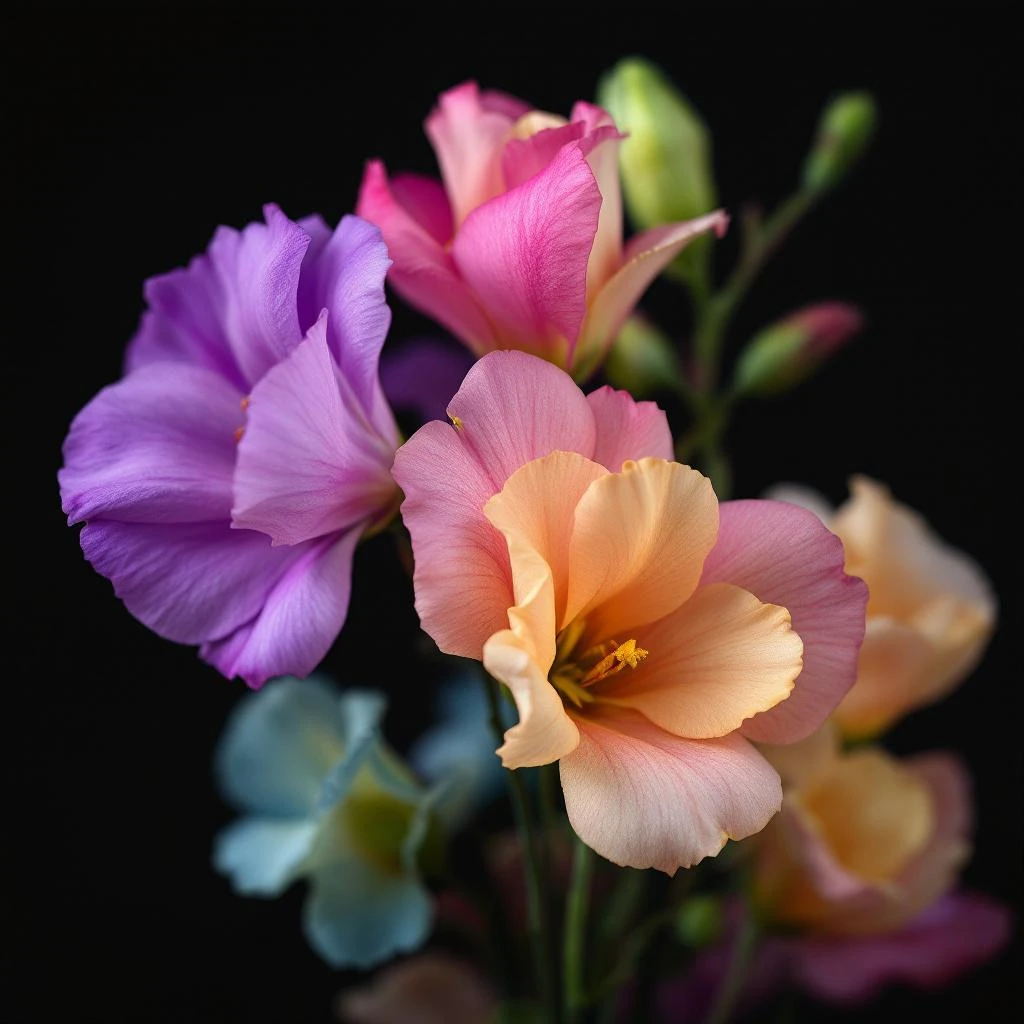
Snowdrop holds deep cultural resonance across European traditions, symbolizing hope and purity as one of the first flowers to emerge through snow. Ancient Greek herbalists documented the plant, while Victorian flower language assigned it meanings of hope and rebirth. Despite this rich symbolism, snowdrop never became a staple of traditional perfumery.
The flower lacks the concentrated aromatic oils found in roses or jasmines, making it unsuitable for the enfleurage and distillation techniques that defined historical fragrance production. Its journey from garden symbol to perfumery note remains recent and largely synthetic, reflecting modern perfumery's ability to interpret delicate botanicals that traditional methods could not capture.
Wears it best
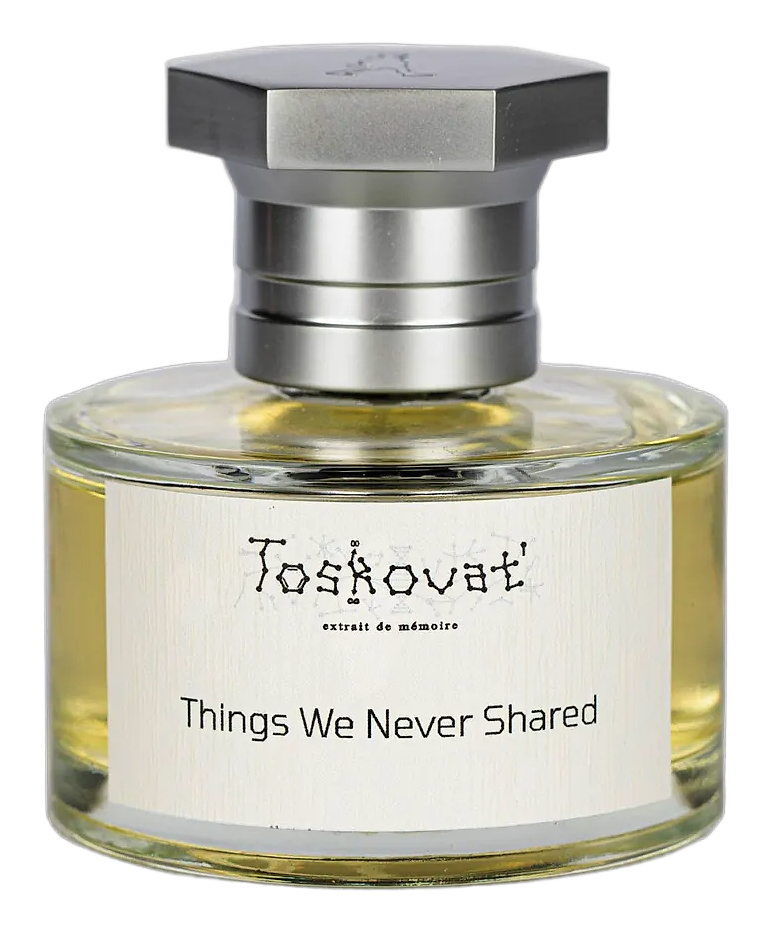
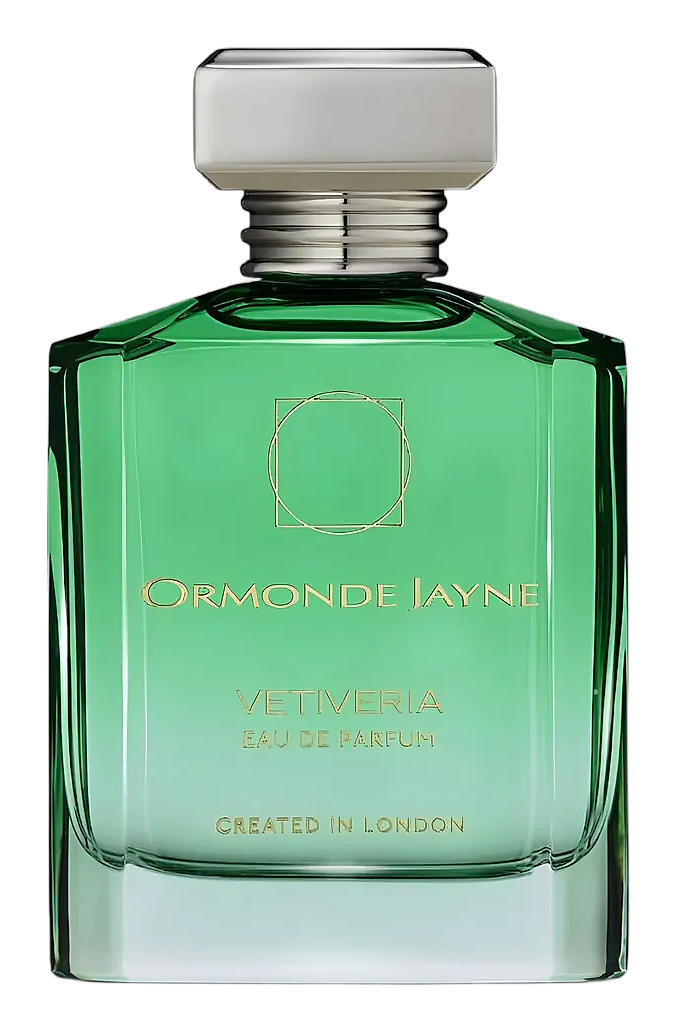
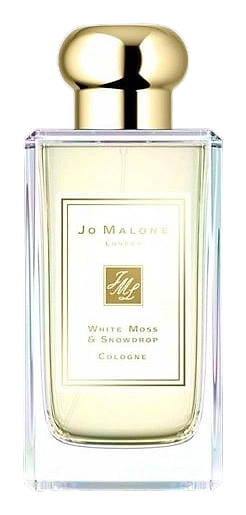
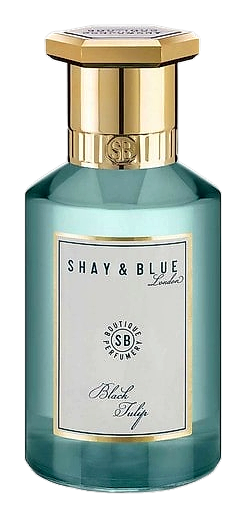
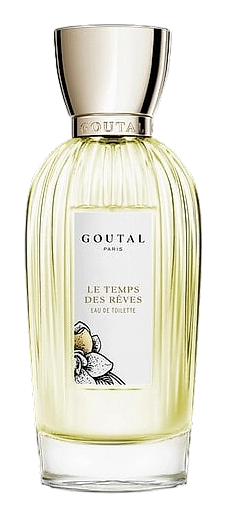
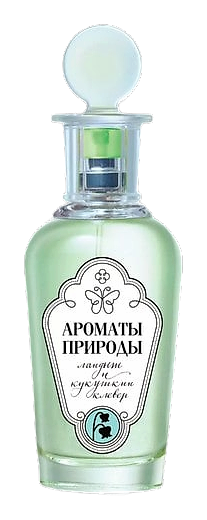
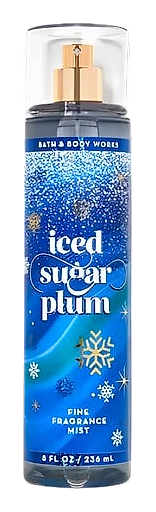
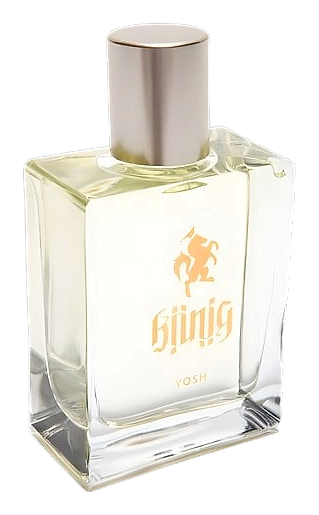
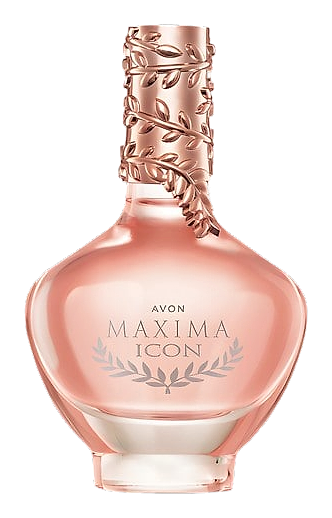
Fragrances featuring Snowdrop


Brands
Brands known for Snowdrop
Good to know
Questions, answered
The essentials on Snowdrop in perfumery: how it smells, where it comes from, and how it behaves on skin.
What does Snowdrop smell like in perfume?
Snowdrop in perfume smells like cool, dewy air with subtle green and faintly honeyed floral undertones. It evokes the scent of a winter garden, providing a transparent, introspective quality rather than loud floral impact. The note typically reads as fresh and intimate.
Why is Snowdrop used in perfumery?
Snowdrop is used for its ability to suggest early spring freshness and quiet botanical elegance. Perfumers employ the note to create transparency in compositions, adding a sense of cold air and delicate greenery that works especially well in modern, minimalist fragrance designs.
Is Snowdrop in perfume natural or synthetic?
Snowdrop is almost always synthetic in commercial perfumery. No commercially viable extraction method exists for the flower due to its minimal aromatic compound concentration. Perfumers reconstruct the note using green aldehydes and lightweight floral synthetics.
What famous perfumes contain Snowdrop?
Snowdrop appears primarily in contemporary fragrances rather than classic perfumes. L'Artisan Parfumeur Acqua di Nilo (1992) and several modern aquatic and green compositions have featured the note, though it remains uncommon in major fragrance houses.
Is Snowdrop a top note, heart note, or base note?
Snowdrop functions primarily as a top-to-heart note in fragrance compositions. Its transparent, volatile character appears strongest in the opening moments, lending an initial coolness and botanical clarity before dissipating within 15 to 30 minutes.
What notes pair well with Snowdrop in perfume?
Snowdrop pairs well with aldehydes, white musk, galbanum, lily of the valley, and fresh green accords. In modern formulations, it complements aquatic notes, light musks, and delicate wood bases like clear cedar. The note works best when surrounded by other transparent ingredients.
How is Snowdrop extracted?
Snowdrop is not commercially extracted. The flower contains insufficient aromatic concentration for standard methods like steam distillation or solvent extraction. Perfumers recreate the note synthetically using combinations of green notes, aldehydes, and light floral aromachemicals to capture its ethereal character.
Is Snowdrop used in men's or women's fragrances?
Snowdrop appears in both men's and women's fragrances, though it skews toward gender-neutral and feminine compositions. Its clean, transparent quality suits modern perfume styles across the gender spectrum, particularly in fresh and aquatic fragrance families.