The Story
Why it exists.
The beginning
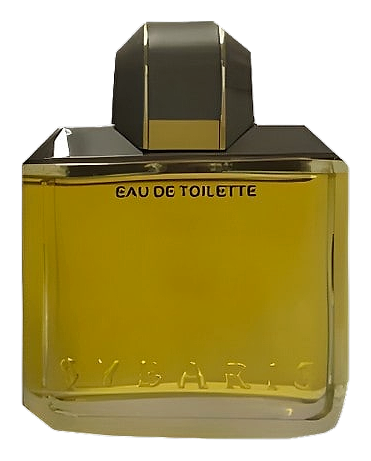
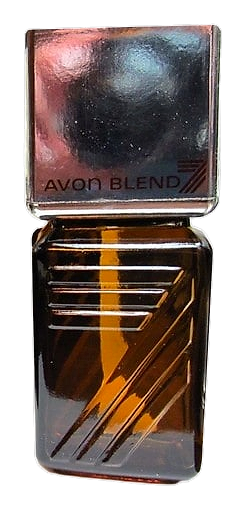
Blend 7 dropped in 1973, arriving right in the middle of a decade busy rewriting what masculine meant. The bottle alone tells the story: angular, modernist, the kind of object you'd find on a shelf today and know immediately belonged to another era. Anise leads the composition, a licorice-sweet aromatic that gives the opening its bright, almost startling signature. There's a green snap from galbanum that keeps the anise from going syrupy, and underneath it all, a cool herbal sharpness that announces the decade before the florals arrive. The jasmine and lily of the valley show up next, but they don't tiptoe in. They push through the anise like light finding a gap in heavy curtains, and patchouli grounds them with something earthy and faintly resinous.
The anise top note is the headline, but the structure underneath is what makes Blend 7 worth smelling. Galbanum sharpens that opening into something green and almost metallic. The heart layers jasmine and lily of the valley against patchouli and conifer, creating a floral-woody tension that feels architectural rather than decorative. Smoke threaded through the middle keeps it from tipping into sweetness. It's a fougère skeleton wearing a warmer coat than the genre usually allows.
The evolution
The opening belongs entirely to the anise, bright and licorice-sharp, edged by galbanum's green bite. You smell it before you register anything floral, and there's a cool, almost minty quality in the way the galbanum cuts against the sweetness of the anise, keeping the whole thing from tipping into candy territory. Then the jasmine and lily of the valley arrive, but they don't arrive gently. They push through the anise like light through a curtain, accompanied by patchouli's earthiness and a faint thread of smoke that wasn't there at the start. The jasmine gives the heart a soft, indolic warmth, while the lily of the valley adds something greener and more aqueous, and together they bridge the sharp opening to the heavier base that follows. The sandalwood and oakmoss eventually take over, and this is where Blend 7 becomes something special.
Cultural impact
Blend 7 pre-dates Azzaro Pour Homme by five years, making it one of the earlier masculine fragrances to use anise as a lead note. That chronological fact alone gives it a particular kind of weight in fragrance history, the kind that rewards people who care about lineage and composition order. It wasn't a prestige launch built around advertising and counter placement; it reached wearers through Avon's own distribution, which meant it lived in medicine cabinets and bathroom shelves rather than on fragrance counters in department stores. Vintage bottles now carry the particular gravity of objects that survived their own era intact.