The Story
Why it exists.
The beginning
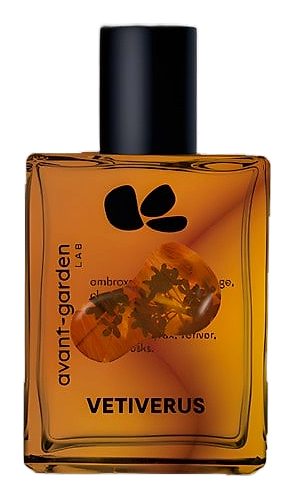
Vetiverus landed in 2020 as part of a concentrated wave of releases from Avant-Garden Lab. The perfumer behind the house built the composition around a single provocation: what happens when you put vetiver at the base of something that smells nothing like vetiver at the start. The name is a Latin inflection. The intent is a green that earns its shadow. Vetiverus sits inside an ongoing experiment, a project where scent carries the weight of image and texture in equal measure. The opening hits bright and almost aggressive, all citrus peel and sharp leaf notes, before the whole composition pulls itself inward and the warmth starts to surface. There is a clear architecture here, one that refuses to announce its destination in the first ten minutes.
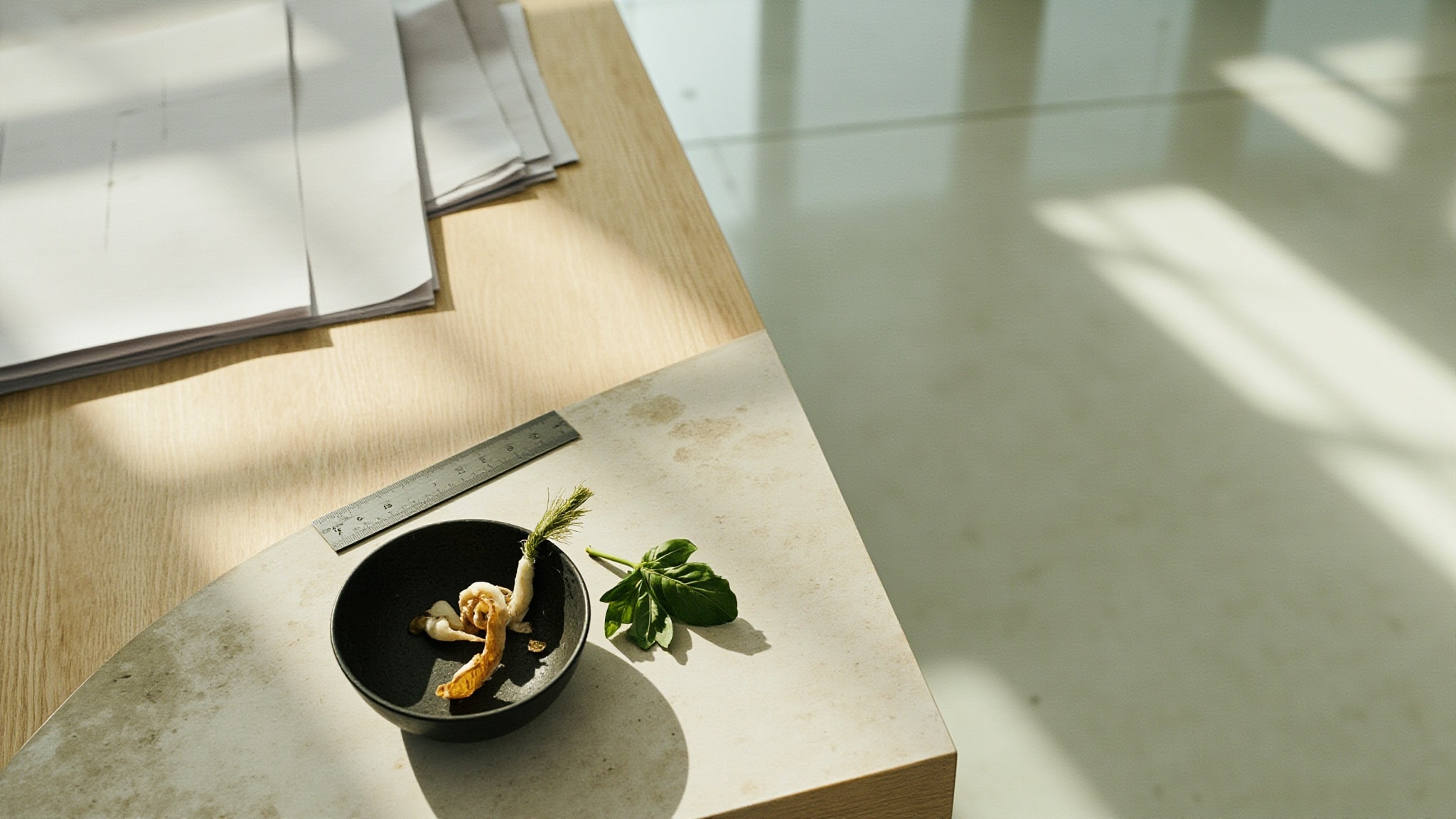
Most vetiver compositions announce themselves early and stay skeletal. Vetiverus inverts that. The vetiver and patchouli at the foundation sit quietly under a canopy of green and aromatic material, and what rises first is everything but the root. The ambroxan moves through the heart and keeps the whole composition suspended in something dry and mineral, a tension that holds the brightness in check. Galbanum adds sharpness. Shiso and fig leaf give the green a leafy quality that feels closer to a living plant than an abstract idea.
The evolution
The first fifteen minutes smell like someone snapped a stem and rubbed the juice between their fingers. Bitter orange, shiso, galbanum, a flicker of green bell pepper. Then the clove CO2 and coriander step in and the green sharpens into something almost spice-like. Within the first few hours, the opening accord gives way to a herbal-amber haze: basil, fig leaf, osmanthus, amyl salicylate lending its soft, slightly balsamic shimmer. This is where most people decide whether the composition is for them. The ambroxan takes hold here, and the fragrance starts breathing amber instead of leaf. From the middle hours onward, the vetiver rises into the foreground alongside patchouli CO2 and guaiac wood. The smoke arrives, slow and deliberate. Labdanum and styrax deepen the drydown into something warm and resinous, with a soft musk underneath.
Cultural impact
Vetiverus sits in conversation with green fragrances that build toward amber architectures rather than announce them from the start. The comparison points tend to land on the smoky-earthy side of vetiver territory: Zoologist's Bat, Fat Electrician, Annick Goutal's Vetiver. But its structural inversion, green first and vetiver last, puts it in dialogue with compositions that delay their center of gravity. That delay is what distinguishes it from the standard vetiver template, where the root note dominates the opening and the green serves as garnish. Here the green is the headline and the vetiver is the coda.