



    Brand Profile

    Avant‑Garden Lab is a Madrid‑based fragrance atelier founded in 2010 by perfumer Oliver Valverde. The house positions itself as a laboratory…More

    Spain·Est. 2010·Site

    3.3

    Rating

    13
    J4SM1NE x CAL4MUS by Avant-Garden Lab
    Best Seller
    3.3

    J4SM1NE x CAL4MUS

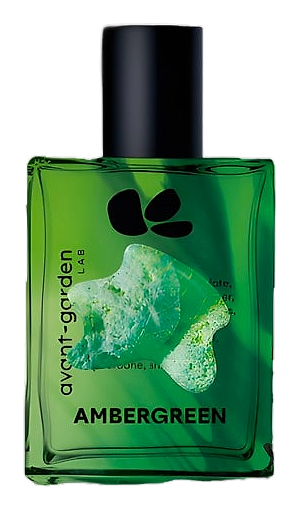
    Ambergreen by Avant-Garden Lab
    Best Seller
    3.8

    Ambergreen

    Vaninger by Avant-Garden Lab
    Best Seller
    3.2

    Vaninger

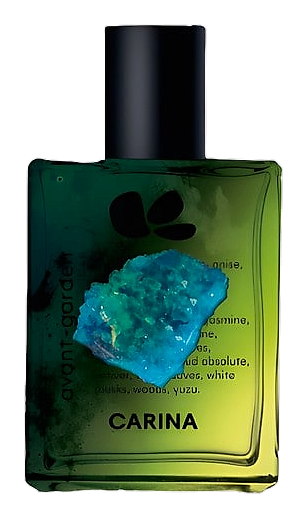
    Carina by Avant-Garden Lab
    3.1

    Carina

    Resina by Avant-Garden Lab
    3.1

    Resina

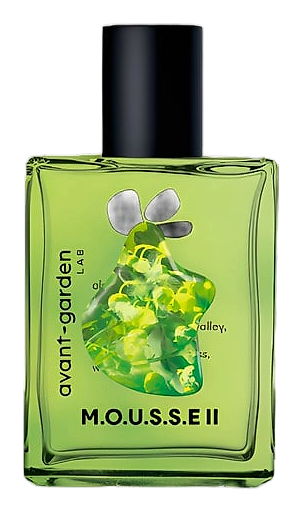
    M.O.U.S.S.E II by Avant-Garden Lab
    3.1

    M.O.U.S.S.E II

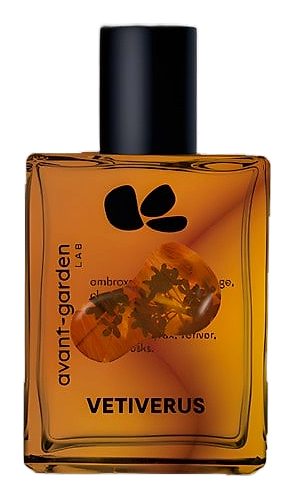
    Vetiverus by Avant-Garden Lab
    3.0

    Vetiverus

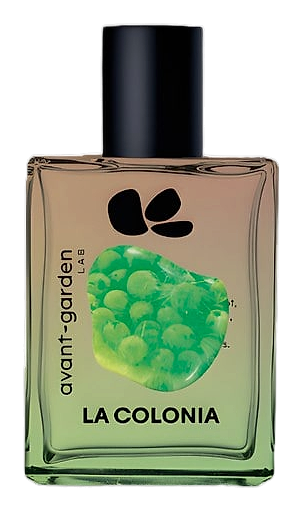
    La Colonia by Avant-Garden Lab
    3.0

    La Colonia

    Veil by Avant-Garden Lab
    2.7

    Veil

    TUB3ROSE x F1G by Avant-Garden Lab
    2.6

    TUB3ROSE x F1G

    M.O.U.S.S.E by Avant-Garden Lab
    2.6

    M.O.U.S.S.E

    IR1S x TROP1C4L by Avant-Garden Lab
    2.2

    IR1S x TROP1C4L

    1 of 2

    The Heritage

    The Story of Avant-Garden Lab

    Avant‑Garden Lab is a Madrid‑based fragrance atelier founded in 2010 by perfumer Oliver Valverde. The house positions itself as a laboratory of synesthesia, where colour, sound and scent intersect. Its catalogue, launched chiefly between 2011 and 2021, includes Ambergreen, Vaninger, Carina and collaborative pieces such as J4SM1NE x CAL4MUS. The brand’s identity rests on experimental blends that challenge conventional olfactory categories while remaining wearable.

    Heritage

    Oliver Valverde opened Avant‑Garden Lab in 2010 after years of work in independent perfumery. The founder’s Instagram profile describes the space as a "laboratory of synesthesia and olfactory art" and notes that the studio has been "elevating your senses since 2010." Early production took place in a modest workshop in Madrid, a city that hosted every fragrance release from 2011 through 2018. During that period Valverde refined his technique, experimenting with raw ambroxan, green herbs and mineral accords. In 2020 the house issued a concentrated wave of releases—Ambergreen, Vaninger, Carina, Resina, M.O.U.S.S.E II, La Colonia, Vetiverus, Veil and TUB3ROSE—each bearing the year in its title, a nod to the brand’s chronological cataloguing. The following year saw two collaborative projects: J4SM1NE x CAL4MUS and TUB3ROSE x F1G, both announced on the brand’s social channels. A press note later reported that Valverde rebranded his personal perfume work under the Avant‑Garden Lab name, emphasizing the laboratory concept. Over a decade, the atelier has moved from a hidden Madrid studio to a recognized niche name among collectors who follow its experimental releases.

    Craftsmanship

    Production at Avant‑Garden Lab occurs in a modest laboratory that blends traditional compounding with modern analytical tools. Valverde reports that each formula begins with a handwritten sketch, followed by small‑scale bench trials using glass droppers and magnetic stirrers. Once a scent reaches a stable accord, the blend is transferred to a stainless‑steel mixing vessel where precise percentages of aroma chemicals and natural extracts are combined. The house sources ambroxan, a marine‑derived note, from European manufacturers noted for low‑impurity grades; this raw material appears prominently in Ambergreen, where it is paired with herbal and earthy tones. Natural ingredients such as vetiver root and rose absolute are procured from farms in France and Bulgaria that practice organic cultivation, though the brand does not claim full organic certification. Quality control includes gas‑chromatography analysis to verify the concentration of key molecules, ensuring batch‑to‑batch consistency. Bottles are filled by hand in a temperature‑controlled room to prevent premature evaporation. The final product is sealed with a custom‑cut crystal cap that reflects the brand’s visual motif of intersecting lines, reinforcing the laboratory aesthetic.

    Design Language

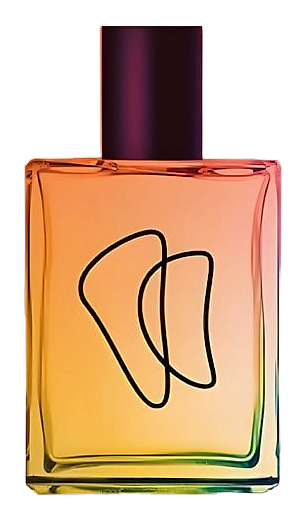
    Visually, Avant‑Garden Lab adopts a minimalist laboratory motif. Bottles feature clear glass with thin black lettering, allowing the perfume’s colour—often a muted green or amber—to become the focal point. Caps are machined from brushed aluminum or crystal, echoing the brand’s reference to scientific equipment. Labels display a simple sans‑serif typeface and include a small icon that hints at the scent’s synesthetic inspiration, such as a wave for Ambergreen or a flame for Vaninger. Packaging boxes are matte black with subtle foil embossing of the laboratory’s logo, a stylised beaker intersected by a rose silhouette. The overall image conveys precision and curiosity, inviting the wearer to explore the intersection of art and chemistry. Marketing visuals frequently pair the bottles with abstract photographs of light passing through prisms, reinforcing the theme of sensory translation.

    Philosophy

    Avant‑Garden Lab treats fragrance as a multisensory experiment. The brand’s stated mission is to translate visual and auditory stimuli into scent, a practice the founder describes as "flowers meet fire." This synesthetic approach drives each composition: colour palettes inform ingredient selection, while rhythmic patterns inspire the structure of top, heart and base notes. Valverde emphasizes transparency, often sharing raw material sketches and mood boards on Instagram. Sustainability is addressed through selective sourcing; the house prefers ingredients that can be traced to small‑scale producers, and it avoids mass‑market synthetics unless they serve a specific artistic purpose. The brand also values collaboration, inviting musicians and visual artists to co‑create limited editions that reflect a shared aesthetic. By framing perfume as an artistic laboratory rather than a commercial product line, Avant‑Garden Lab encourages collectors to view each bottle as a research specimen rather than a commodity.

    Key Milestones

    2010

    Oliver Valverde establishes Avant‑Garden Lab in Madrid, announcing a laboratory concept focused on synesthetic perfumery.

    2011

    First public fragrance release from the Madrid studio, marking the start of a continuous production run through 2018.

    2020

    Series of flagship releases—including Ambergreen, Vaninger, Carina, Resina, M.O.U.S.S.E II, La Colonia, Vetiverus, Veil and TUB3ROSE—each bearing the year in the title.

    2021

    Collaborative projects J4SM1NE x CAL4MUS and TUB3ROSE x F1G debut, expanding the brand’s interdisciplinary approach.

    2023

    Press announcement rebrands Valverde’s personal perfume work under the Avant‑Garden Lab name, reinforcing the laboratory identity.

    At a Glance

    Brand profile snapshot

    Origin

    Spain

    Founded

    2010

    Heritage

    16

    Years active

    Collection

    1

    Fragrances released

    Avg Rating

    3.3

    Community sentiment

    Release Rhythm

    2021
    4
    2020
    9
    avantgardenlab.com

    Did You Know?

    Interesting Facts

    Distinctive details and defining moments that shape the house personality.

    01

    The brand’s Instagram bio describes its space as a "laboratory of synesthesia and olfactory art," a rare self‑identification of perfume as a scientific‑art hybrid.

    02

    Ambergreen’s review on Basenotes highlights an unusual combination of raw ambroxan with green, herbal and oceanic nuances, a blend Valverde calls "very green, herbal, dirty, earthy, with a twist."

    03

    Avant‑Garden Lab’s collaborations with CAL4MUS and F1G involve musicians who contribute rhythmic structures that inform the scent’s progression.

    04

    Each fragrance released in 2020 includes the year in its title, creating a chronological catalogue that doubles as a timeline of the house’s experimental phases.

    The Artisans

    The Perfumers