
The Story
Why it exists.
The beginning
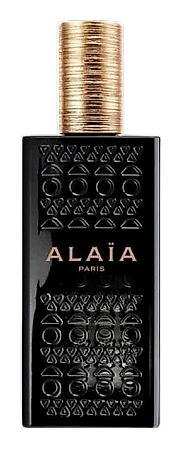
Alaïa arrived in 2015 as the first fragrance from Alaïa Paris, conceived as an olfactory extension of Azzedine Alaïa's couture vision. Perfumer Marie Salamagne was given a specific sensory memory to interpret: water poured over hot Tunisian brick walls. That contrast of cool liquid against heated stone became the fragrance's conceptual core, translated through a crisp air accord paired with pink pepper in the opening, a floral heart, and a leather-inflected drydown. The brief was not simply to smell pleasant but to capture something architectural, something with structure and weight even when the top notes felt light.
The pairing of pink pepper with an air accord was deliberate. Salamagne wanted an opening that felt physically cool, not through mint or citrus but through spatial openness. Pink pepper provides the necessary warmth in the spice family without the heaviness of black pepper or cardamom. The air accord reinforces this by giving the top notes something to exist within, a kind of visual negative space. The heart then uses peony as the emotional center, but surrounds it with freesia and rose that keep the floral note from becoming sentimental. The leather in the drydown is not aggressive. It functions as a texture, something felt rather than announced.
The evolution
The fragrance moves through three distinct phases that echo the original memory. It opens bright and transparent, pink pepper sending tiny sparks against the cool air accord, like water hitting sun-warmed stone. The transition to the heart happens gradually, the pepper softening as peony and rose emerge from beneath the freesia. By the time the drydown arrives, the warm leather and violet have replaced the floral brightness, evoking the slow cooling of those same Tunisian walls as the water evaporates. The white musk in the base acts as a final trace, a memory of warmth left on skin.
Cultural impact
Since its debut, Alaïa has been noted for translating the designer’s architectural aesthetic into perfume, earning a place among modern leather‑floral classics. Wearers often cite its polished yet tactile character as perfect for creative professionals and fashion‑forward evenings, while its moderate sillage makes it a subtle statement in Parisian ateliers and runway after‑parties alike.