
The Story
Why it exists.
The beginning
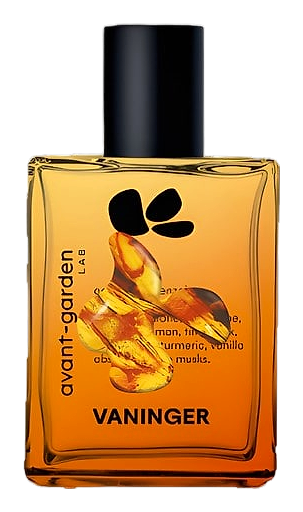
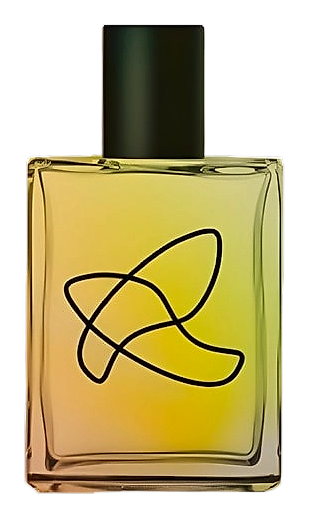
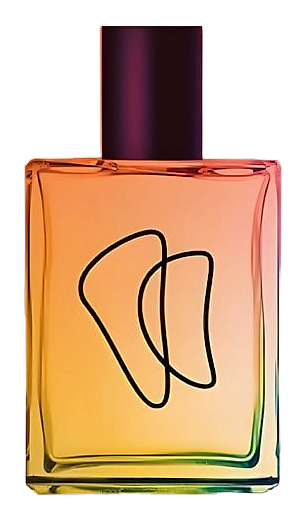
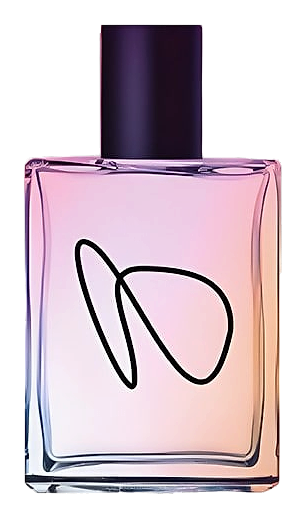
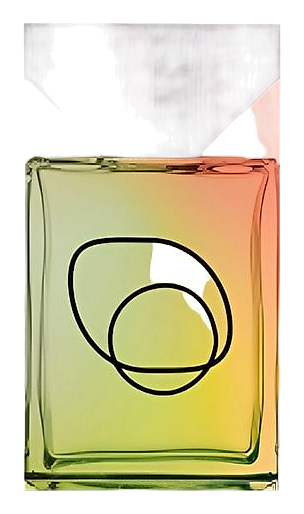
C4SS1E refers to cassie flowers, Acacia farnesiana, known for their warm, balsamic sweetness. AMB3RNYL points to amber fossils, ancient mineral deposits with a cold, geological depth. The name itself is the paradox: joy, invaded. Valverde takes cassie's reputation for comfort and pleasantry and systematically disrupts it. The coniferous invasion isn't incidental, it's structural. Camphor compounds become the new skeleton. Amber fossils replace the expected warmth with something older, stranger. This is floral mutiny, composed in a Madrid laboratory that treats fragrance as a form of sensory translation. Released in 2021 as the third specimen in the Mutant Flowers collection, it arrived after specimens focused on jasmine and tuberose, each one testing what happens when a floral's identity is fundamentally rewritten.
What makes this composition work is the refusal to resolve. Most fragrances build tension then release it. This one holds the dissonance indefinitely. Ambroxan, the marine-mineral backbone, provides the amber-fossil character. Derived from ambergris, it carries oceanic depth and a mineral quality that reads as geological rather than animal. Borneol contributes cooling conifer notes, the smell of evergreen forests without the smoke. Gardenia and sweet acacia absolute maintain enough warmth to keep the cassie identity present, but white musk ensures the sillage stays intimate rather than filling a room. The camphor note, appearing from borneol and calculated additions, serves a structural purpose.
The evolution
The first thirty minutes announce the paradox. Hexyl acetate delivers pear, bright, fruity, almost confection-like. Borneol arrives simultaneously, cool and coniferous, the smell of evergreen forests in late autumn. Clementine adds a citrus peel brightness, but it's immediately cooled by the camphor undertone. The cassie sweetness fights for space against something sharper and stranger. You smell both at once. An hour in, the gardenia and sweet acacia absolute emerge. The floral heart is warm, creamy, unmistakably cassie, but the coniferous structure has already reorganized the composition around it. This isn't cassie with conifer notes. This is conifer notes wearing cassie as a mask. By the third hour, ambroxan takes over as the dominant force. The amber-fossil character, the AMB3RNYL, emerges as a mineral, slightly oceanic depth that settles against the skin like something geological. White musk keeps the sillage intimate, close, never filling the room. The floral sweetness becomes a memory inside the mineral structure.
Cultural impact
This fragrance belongs to a small catalog of experimental compositions for those who treat fragrance as discovery rather than decoration. The Mutant Flowers collection, specimens focusing on jasmine, tuberose, and cassie, challenges what floral identities can become when structural notes rewrite their rules. For fragrance collectors and those drawn to avant-garde compositions, this specimen represents one of the more radical transformations in the collection. The camphor-mineral-floral tension appeals to wearers seeking something that rewards attention rather than immediate mass-appeal comfort.