Ambrinol
Ambrinol is a synthetic polycyclic alcohol that replicates the warm, animalic character of natural ambergris. Developed to solve issues of scarcity and ethics, this powerhouse ingredient brings depth, sensuality, and tenacity to amber, oriental, and woody fragrance families.
Character
How it smells
The synthetic soul of ambergris in every drop.
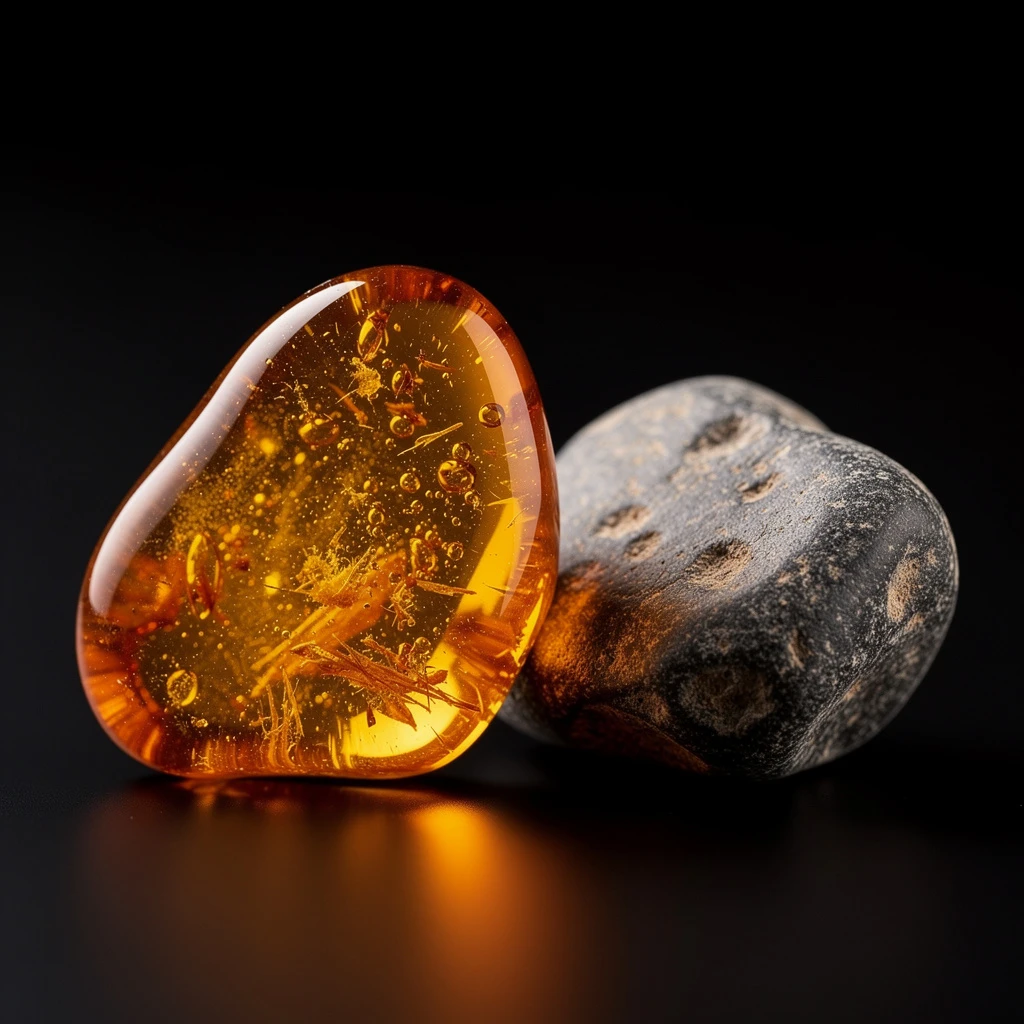
Despite being produced entirely in the laboratory, Ambrinol captures one of the key odoriferous compounds that aged ambergris develops in a sperm whale's digestive tract.



Origin
Switzerland
The story of Ambrinol traces to the 1930s, when Nobel laureate L. Ruzicka laid the groundwork by decoding the chemical architecture of natural ambergris. Following World War II, chemists M.
Stoll and E. Lederer isolated the specific compounds responsible for ambergris odor. This research culminated in 1950 when dsm-firmenich successfully synthesized Ambrinol, marking one of the first reliable alternatives to natural ambergris.
The discovery laid the foundation for modern amber accords and remains a benchmark in the perfumer's palette more than seven decades later.
Wears it best
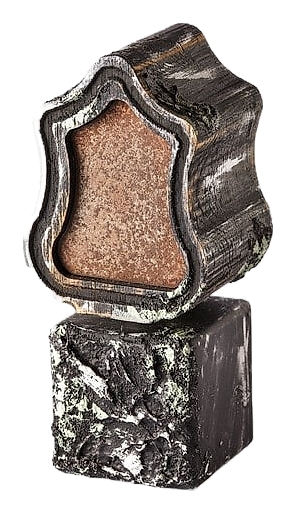
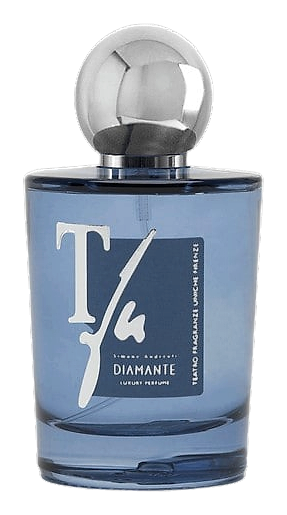
Fragrances featuring Ambrinol
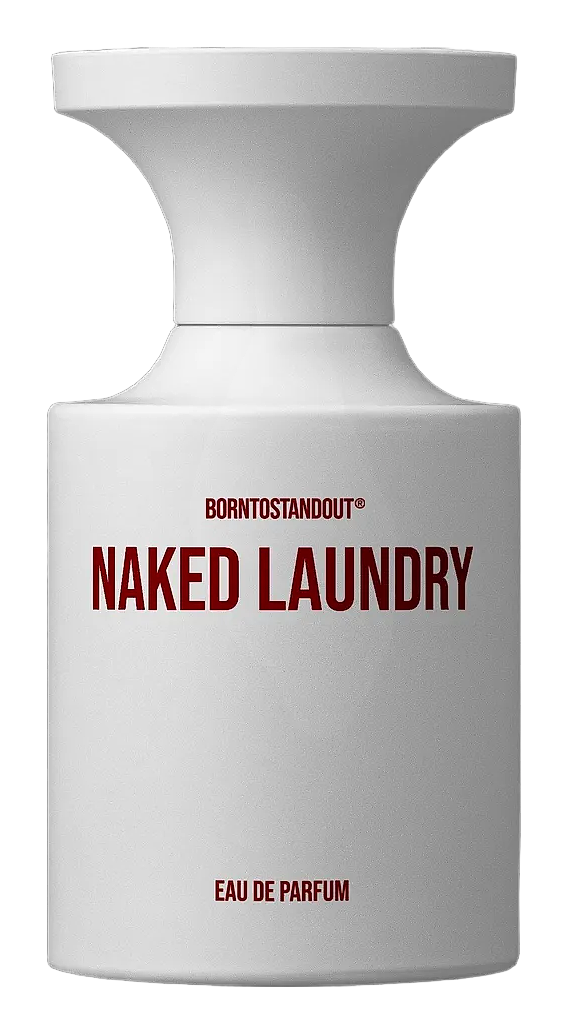
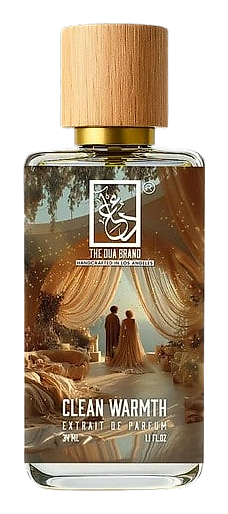
Brands
Brands known for Ambrinol
Good to know
Questions, answered
The essentials on Ambrinol in perfumery: how it smells, where it comes from, and how it behaves on skin.
What is Ambrinol in perfumery?
Ambrinol is a synthetic polycyclic alcohol designed to replicate ambergris scent. It provides warm, animalic, and resinous character to fragrance compositions, functioning primarily as a base note and fixative.
Is Ambrinol derived from animal sources?
No. Ambrinol is a fully synthetic molecule produced through chemical synthesis from plant-derived precursors. It is identical to the ambergris compounds found in nature but carries no animal welfare concerns.
How does Ambrinol differ from natural ambergris?
Natural ambergris forms over years in a sperm whale's digestive tract and develops its scent through oceanic aging, containing dozens of compounds. Ambrinol is a single key molecule that captures the essential warm, animalic ambergris character reliably and reproducibly.
What does Ambrinol smell like?
Ambrinol presents as smooth ambergris with soft musky undertones. Earthy, tobacco-like, and leathery facets emerge on a blotter over time, with a subtle violet floral rounding effect that adds complexity without dominance.
In which products does Ambrinol appear?
Ambrinol appears across fine fragrance, bar soap, shower gel, shampoo, fabric softener, and candle applications. It maintains stability in high-pH soap bases, surfactant environments, and heated wax, making it exceptionally versatile.
Is Ambrinol safe to use in cosmetics?
Yes. Ambrinol is compliant with International Fragrance Association (IFRA) standards and carries a FEMA designation of not approved for flavor use, confirming its application remains exclusive to perfumery and cosmetics.
What role does Ambrinol play in fragrance formulation?
Ambrinol acts primarily as a fixative base note. It slows the evaporation of lighter volatile top and heart notes, extending a fragrance's lifespan on skin and adding sensual, natural ambergris depth to accords.
How much Ambrinol is typically used in a perfume?
Perfumers typically use Ambrinol at well below 1% of total formula weight. Its odor strength rates 8 out of 10, so a little goes very far, yet even at trace levels it meaningfully influences the fragrance's warmth and tenacity.
In the same family