The Story
Why it exists.
The beginning
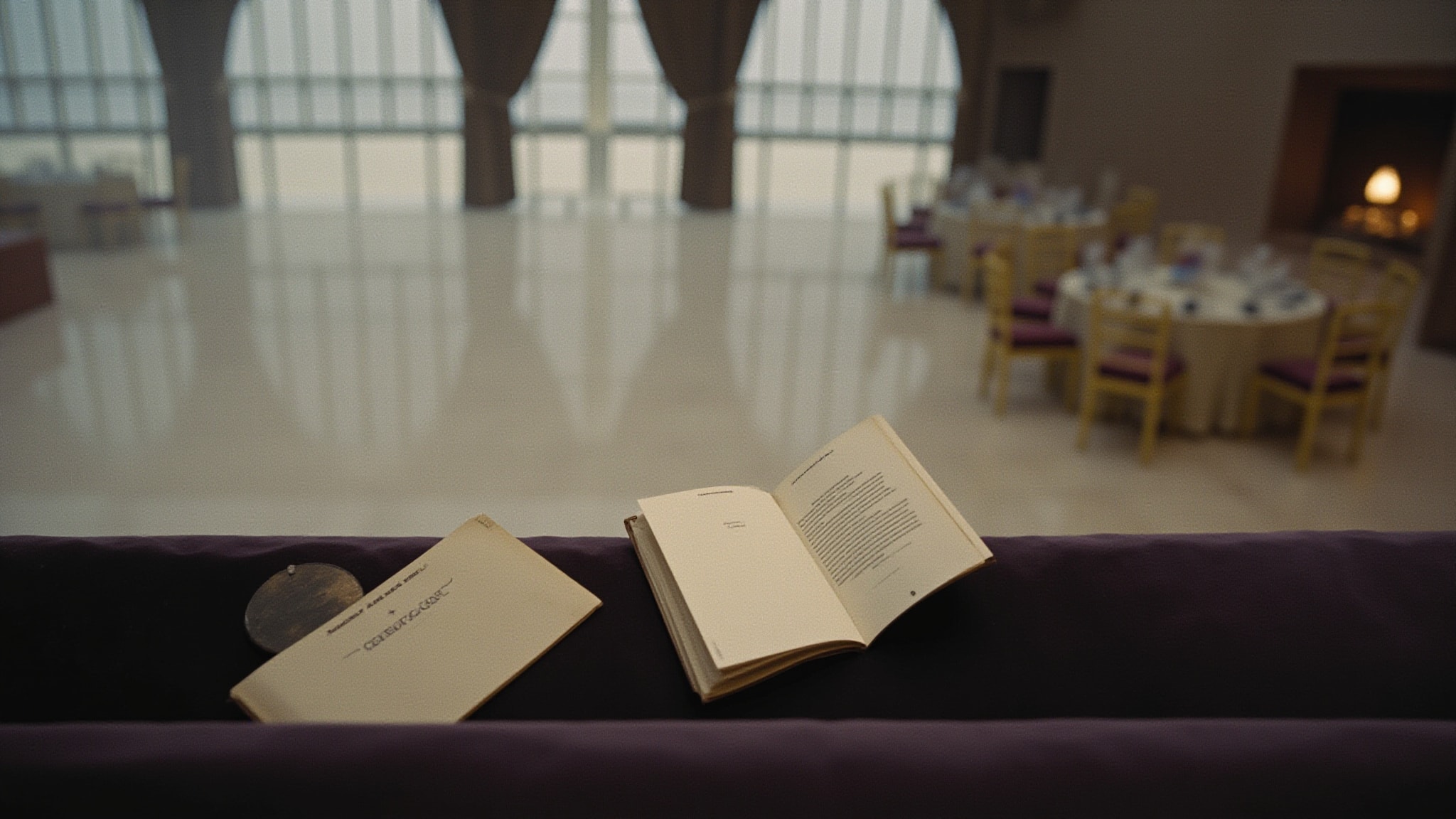
Carnet de Bal takes its name from the French tradition of a dance card, the little printed booklet once carried to formal balls to organize partners, conversations, and the evening's slow choreography. Ava Luxe built this composition around that ritual: the hush of a gilded room before the music starts, the layered scent of perfume left behind on upholstered seats, the soft choreography of arrival and departure. Perfumer Serena Ava Franco composed it as an oriental rooted in fruit, white floral, and moss, the kind of fragrance that feels less like something you put on and more like a room you've just stepped into.
The combination of stone fruit with oakmoss and a generous bouquet of white florals sets this apart from the more common peach-and-vanilla constructions flooding the market. Cyclamen and chamomile are quieter players, but they give the heart a herbal, almost medicinal softness, a powdery hush that reads more vintage than modern gourmand. The ambergris and patchouli in the base add an animalic edge that prevents the sweetness from tipping into syrup. It's a structure that rewards patience: the top reads bright and fruity for a few minutes, then the moss and musk start to do real work.
The evolution
The first 15 minutes are pure stone fruit. Peach and apricot sit on top of bergamot like jam on warm bread, sweet and slightly sticky, with just enough citrus to keep it from going flat. The fruit here reads less like a fresh orchard and more like something preserved, the kind of sweet depth that suggests compote or the filling of a tart that's been cooling on a counter. By the 30-minute mark the florals begin their takeover. Ylang-ylang arrives first, golden and almost tropical, followed by rose, chamomile, and lily of the valley. The rose is soft rather than jammy, more like rosewater than a soliflore, and it folds into the ylang-ylang rather than competing with it. The cyclamen adds a green, watery edge that keeps things from turning too heavy, almost the sensation of cool air drifting through an open window.
Cultural impact
Carnet de Bal sits in an interesting place because its note structure borrows so openly from classical perfumery while arranging the pieces in a way that feels personal rather than archival. The peach and oakmoss pairing is unusual enough to feel deliberate, a conversation between two notes that don't typically share a stage, and the resulting tension gives the composition its quiet charge. It moves through its life in clear movements: fruit at the top, florals in the heart, moss and musk underneath, and that arc gives it a feeling of completeness rather than a single dominant impression.