The Story
Why it exists.
The beginning
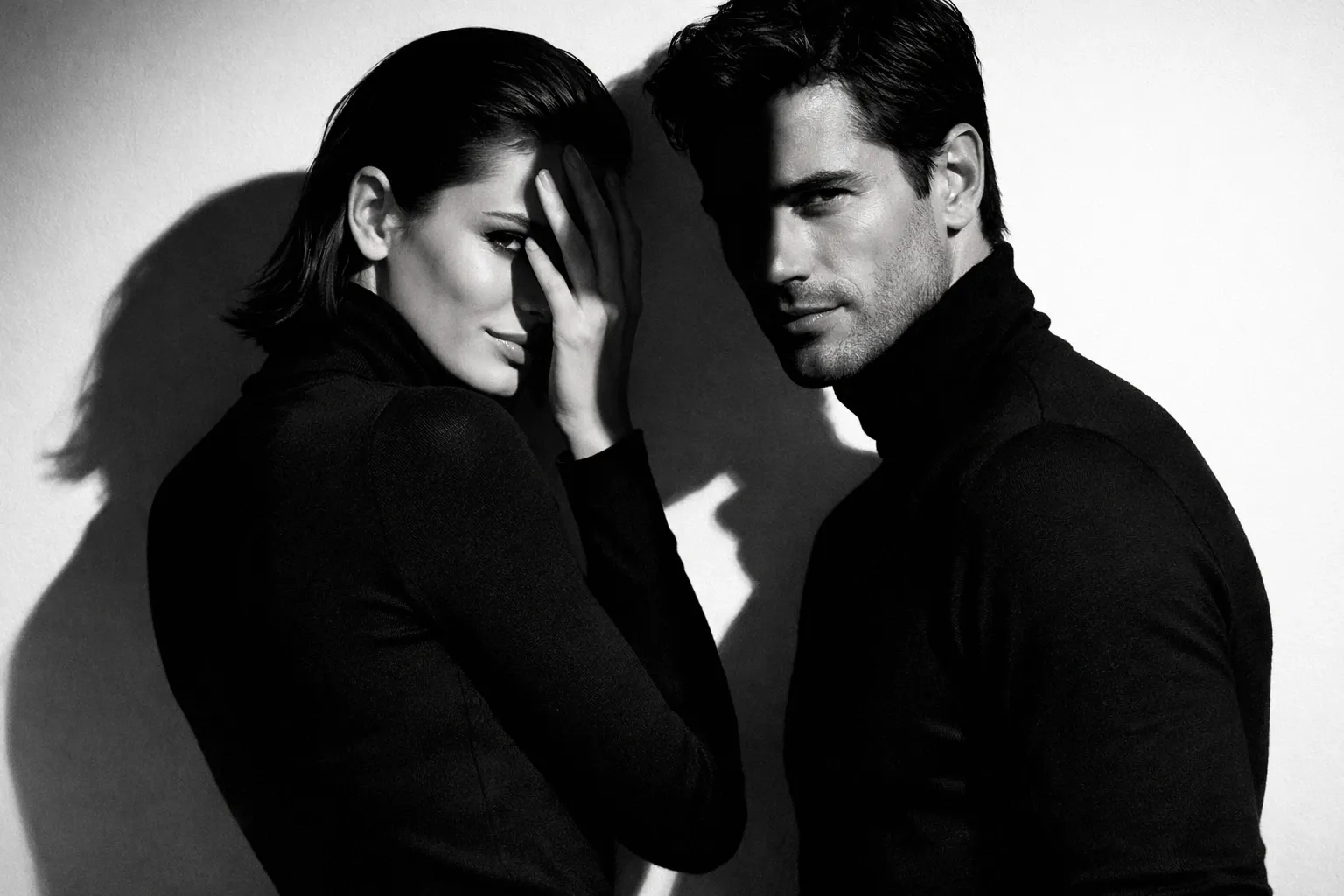
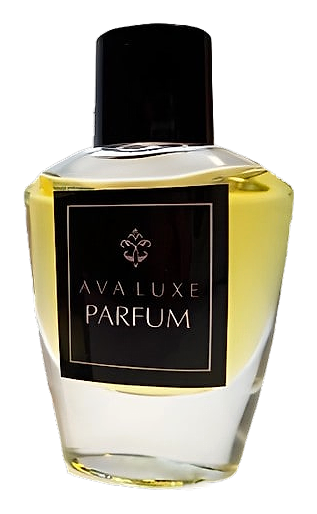
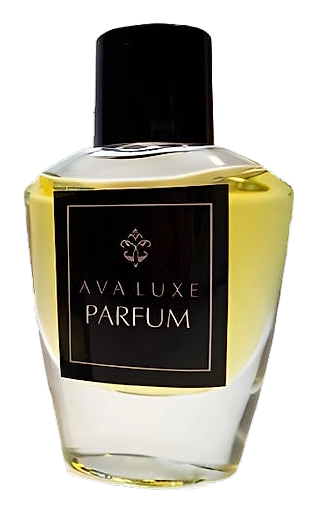
Biba wears its name like borrowed jewelry, a title that suggests something pulled from a drawer of vintage glamour rather than invented fresh. The scent is inspired by an era of style, glamour, and decadence, the kind of mood that lingers in the afterimage of smoky rooms and heavy curtains and faces lit from below by candlelight. It's a brief that reads less like a product brief and more like a film treatment. Ava Luxe is the studio behind the composition, a house built around the idea that fragrance can be treated as a slow art rather than a seasonal release. The catalogue reflects that approach, a working library of compositions assembled with the patience of someone curating records rather than restocking shelves.
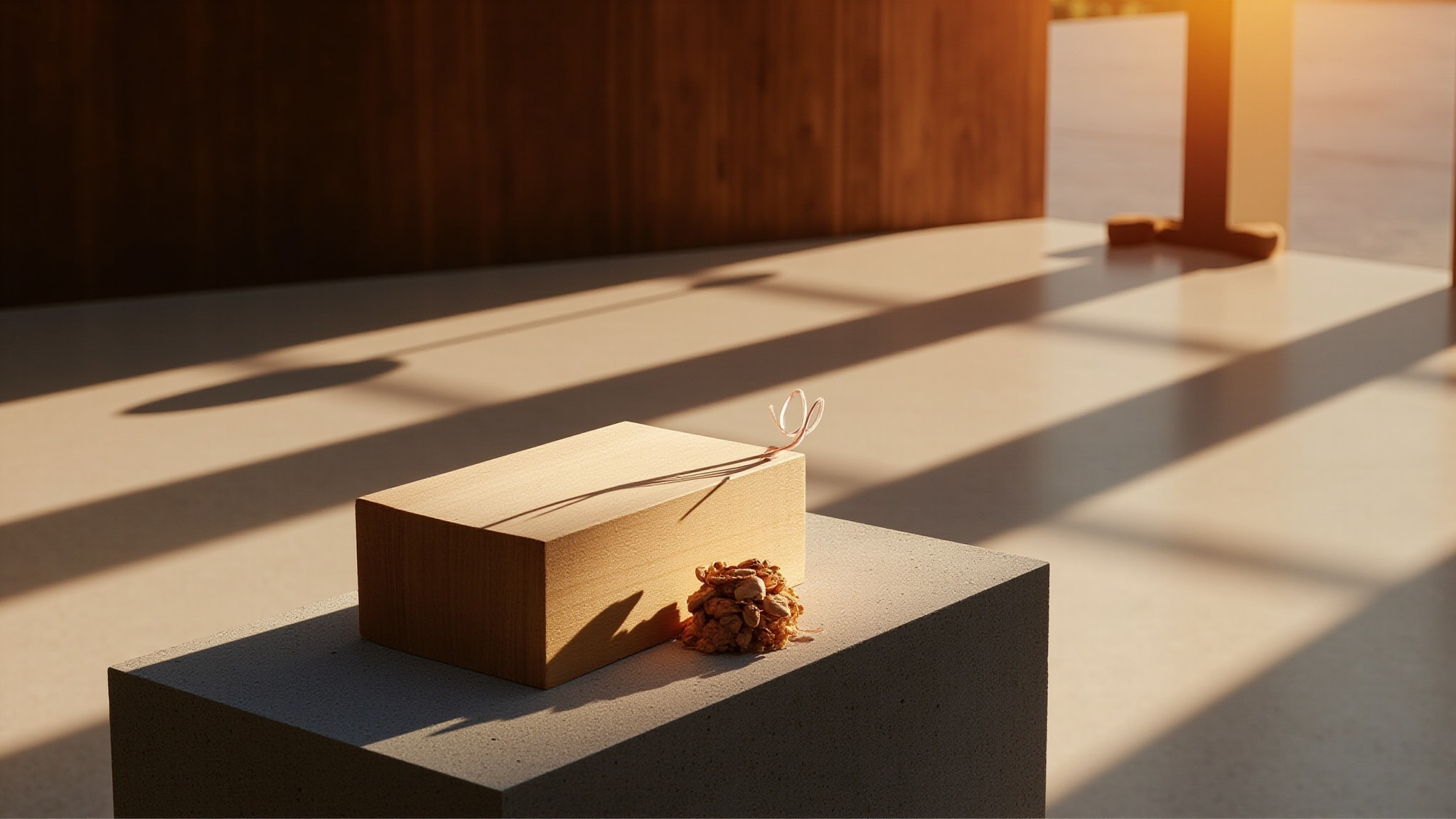
Biba's construction is deliberately unfashionable. Himalayan cedar, Lebanon cedar, Hiba wood, sandalwood, layered until the woods stop sounding like woods and start sounding like architecture, like the crossbeams of an old concert hall or the inside of a piano lifted from its case. Pepper and elemi crack the surface early, sharp and resinous, pulling the air taut before the heavier materials settle into their places. The real gravity comes from the Tunisian amber and the night-blooming cereus, a flower that opens once, at night, and wilts by dawn.
The evolution
Biba opens with the sharp green snap of elemi and a thread of black pepper, the kind of heat that registers as cool rather than warm, almost mentholated in its initial cut. Bergamot flickers underneath, barely holding on, a thin slice of citrus peel squeezed over the top of something far heavier. From there the composition settles into its real weight: cedar on cedar on cedar, with Hiba wood lending a pencil-shaving dryness and the Himalayan and Lebanon cedars pulling toward something almost pencil-soft, almost pencil-bitter, the way fresh-cut wood releases a faint green sap before it goes matte. Patchouli arrives low and slow, more shadow than statement, darkening the edges of the wood without ever announcing itself. An hour in, the woods have stopped competing.
Cultural impact
Biba sits squarely in the territory of fragrance collectors who already own their stranger bottles and are looking for the next quietly strange thing. It's not a conversation-starter in the designer-fragrance sense; it's a signal to other people who notice, the kind of scent that gets recognized across a dinner table by someone who knows, and ignored by everyone else. The composition rewards patience over projection, and that choice alone places it outside the current of mainstream releases that prioritize sillage and immediate impact.