The Story
Why it exists.
The beginning
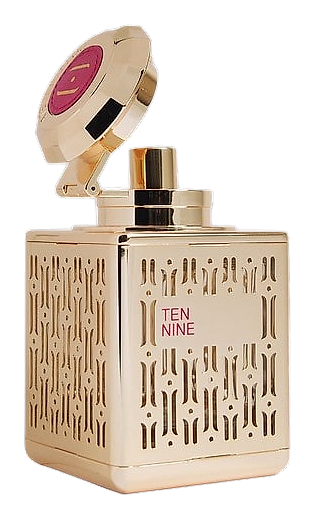
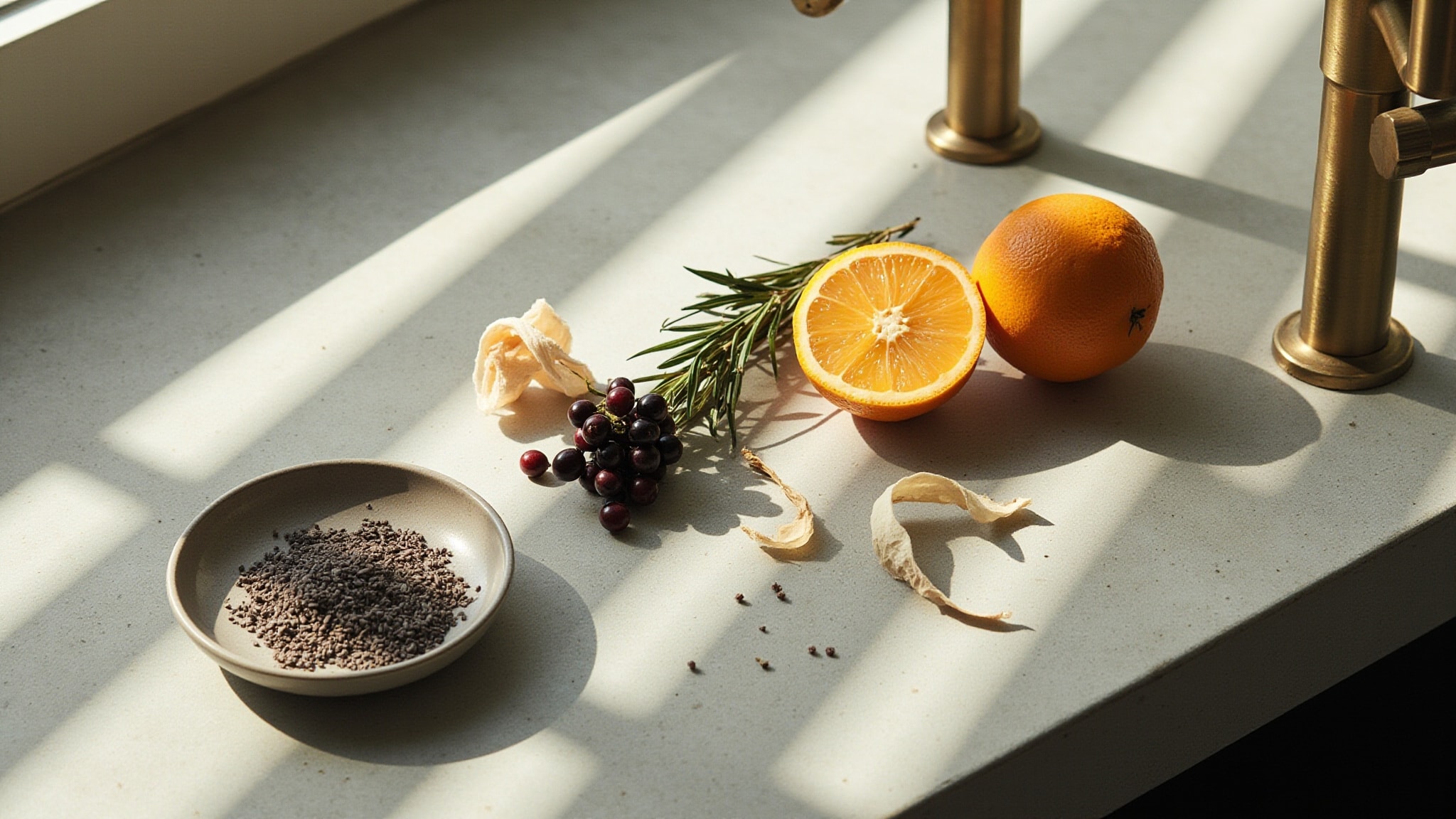
Ten Nine comes from Atelier Flou, a niche fragrance house with a small catalog of distinct compositions. The house worked under perfumer Jean-François Cabos, who shaped the creative direction behind its releases. Ten Nine is attributed to him on the primary source, though some aggregator listings also reference Jacques Chabert in connection with the formula, a discrepancy worth noting for anyone tracing the authorship. The composition pulls in two directions at once. Citrus and blackcurrant sit up top with caraway cutting through them, a seed-like spice that smells halfway between anise and the kitchen just before dinner. The caraway has a dry, almost licorice-leaning warmth that keeps the brighter fruits from tipping into simple freshness.
Caraway is the note that ties this composition together, and it's doing something most fruity florals don't bother to try. It's a spice with green bite, used in kitchens and liqueurs but rarely in fine fragrance, and it gives Ten Nine a savory undertone that keeps the fruit from sliding into candy territory. Mastic does similar work at the heart, a resin most people have never smelled unless they've chewed Greek mastiha gum. It brings a cool, slightly piney bitterness that grounds what would otherwise be a simple floral-fruity structure. Together they make this a composition that earns its warmth from texture rather than sweetness.
The evolution
The first ten minutes belong to tangerine and bergamot, bright and uncomplicated, with blackcurrant adding a dark fruit sweetness underneath. Jasmine threads through quietly, never announcing itself. Then the caraway arrives, and the whole shape tilts. It sharpens the fruit, adds a green peppery crackle, and pulls the lavender forward faster than expected. By the thirty-minute mark the herbal register has taken over. Rosemary and lavender dominate, with mastic giving the midphase a resinous bitterness that smells faintly of pine and dried herbs. The fruit is gone. What replaces it is something closer to a walk through a kitchen garden just before dinner. This phase holds for a few solid hours. The drydown arrives late and stays quiet. Patchouli shows up earthy and dry, not the loud chocolate-vanilla kind. Ambergris warms the base, and musk pulls everything close to skin. Six to eight hours in, what's left is a soft animalic warmth with a green herbal memory, the kind of scent that registers more as presence than perfume.
Cultural impact
Ten Nine occupies a specific place in the landscape of aromatic perfumery, distinguished by its willingness to place caraway and mastic at the center of the composition. Most fragrances in the aromatic category lean on the familiar triad of lavender, rosemary, and sage, occasionally punctuating with mint or citrus. Ten Nine takes a different path by letting caraway drive the opening's spice and having mastic anchor the base with its resinous bitterness, a combination that feels deliberate and considered rather than accidental.