The Story
Why it exists.
The beginning
Angel arrived in 1992 with the kind of fragrance composition the industry had rarely attempted at that level. Olivier Cresp built the scent around patchouli and ethyl maltol, a molecule Mugler would go on to deploy heavily. Mugler had long treated fragrance as part of his fashion work, a vehicle for shifting how someone felt in their own skin. Angel became a statement of that approach. The composition layered jasmine, rose, lily of the valley, and orchid into a heart that gave the dense base notes something to float over. From the first spray, the caramel and patchouli behave like co-conspirators, each one thickening the other until the whole scent reads as much warmer and sweeter than either ingredient alone.
What made Angel unusual was how it handled its sweetness. Sugared compositions had appeared before, including Vanilia in 1978, but Angel carried the sugar on a far heavier base. The ethyl maltol arrived in a concentration that gave the top notes an almost spun quality, and the patchouli underneath held enough weight to keep that sweetness from floating off. The result reads as deliberate tension. A candy-edged top giving way to a darker, woodier floor, with each phase pulling the scent in a different direction before they merge on the skin.
The evolution
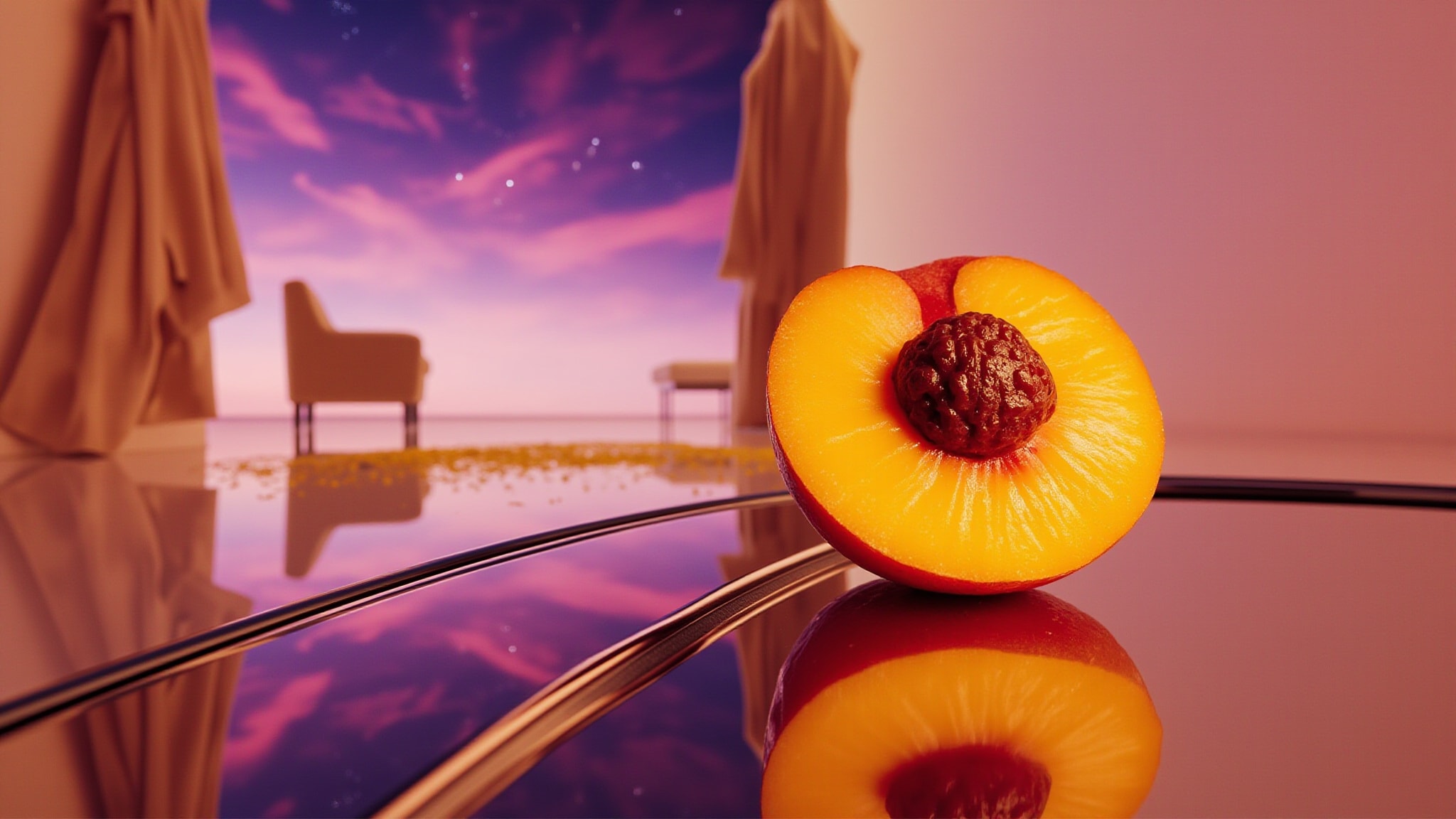
The opening is a confectionery burst. Cotton candy, cassia, and coconut arrive bright and almost synthetic in the way great nostalgic smells manage, louder than real sugar, with a kind of glow that draws the nose back in. Then the fruits unfold, peach and blackberry and plum warming into something jammy, while patchouli rears up beneath them like a dark tide shifting the whole weight of the scent. The candy eventually softens into honey, and the patchouli absorbs the fruit notes whole. Later, amber, vanilla, and tonka carry the composition forward, with patchouli pulsing underneath like a bass note that never fully releases. Hours in, a pillow still carries the warmth of cocoa and dried fruit, with that earthy hum refusing to let go. Angel has a reputation for sticking close to the skin long after most compositions have checked out.
Cultural impact
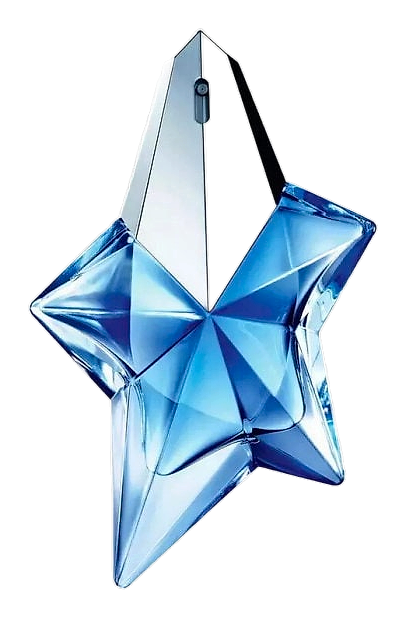
Angel arrived in 1992 and kick-started the gourmand genre in the 90s. By pairing ethyl maltol with patchouli, the composition proved that sweetness and earth could hold together in a women's launch, and that commercial perfumery could absorb something genuinely strange. The bottle, a star-shaped flacon, became as recognizable as the scent inside it, the kind of object people keep on the dresser long after the juice runs out. The investors at Clarins disliked the scent, which only seemed to sharpen its identity once it reached counters. Angel has divided opinion for decades, but its footprint across the category is hard to overstate.