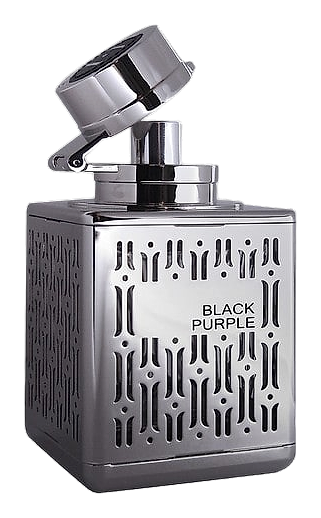

The Story
Why it exists.
The beginning
Black Purple centers on a paradox: heat against cold. Moroccan rosemary. Indonesian nutmeg. American liatris. Amber that goes deep. The brief was simple, take the temperature of two extremes and hold them in the same hand. Bergamot opens like a clear sky. Moss and patchouli darken the edges. Rosemary and nutmeg lift from the center, warm against cool. Vetiver closes the circle, earth meeting sky. Not a compromise. A conversation.
The chypre structure is where this lives. Moss at the base. Powder from the liatris. Ambergris that drifts between cool mineral and warm skin embrace. Most masculine fragrances choose a side, fresh or warm, daytime or evening. Black Purple refuses. Rosemary doesn't read as herb in the way lavender does. It reads as green, cool, almost watery. Against the warmth of nutmeg, there's a push-pull that keeps the scent moving rather than settling.
The evolution
Bergamot hits first, citrus-sharp and bright against the mossy dark. Patchouli threads underneath as a bass note you feel more than hear. Rosemary arrives within minutes, cooling everything down. The heart opens within an hour: nutmeg warming slowly as the herbal notes deepen. By hour two, the scent shifts toward powder. Ambergris and vetiver arrive last, settling close to skin. The projection drops to intimate by hour three, the drydown a quiet skin-scent that lingers another hour or two. On fabric, it holds longer.
Cultural impact
Black Purple blends chypre structure with powdery floral touches, moving beyond simple masculine fragrance categories. The composition leans into contrast, combining aromatic herbs with deeper moss and patchouli for a scent that feels composed rather than loud. Its appeal lies in how it avoids obvious statements, instead rewarding the wearer who notices how the fragrance evolves across hours on skin.