
The Story
Why it exists.
The beginning
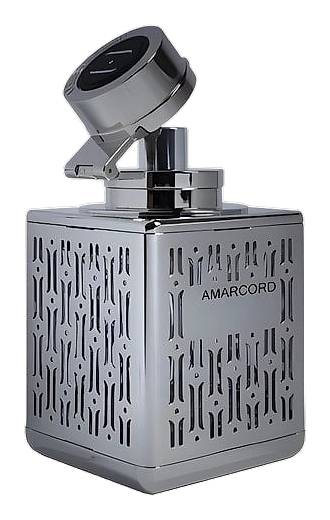
Amarcord is the kind of name that arrives loaded. You hear it and you feel something before you've smelled a thing, a pull toward warmth, toward something half-remembered and quietly loved. The composition reads warm but slightly faded from the start, like a photograph left in a drawer, edges soft but the colors still legible. Cabos built it on an unusual pair: neroli and incense at the opening, a combination that reads clean and smoldering at once. The neroli comes in almost green, sharp and sunlit, and the incense threads through it rather than dominating. There's a tension in those first moments, freshness pulling against smoke, and neither one wins outright. The heart drops into iris and vetiver, materials with a dusty, sun-bleached quality that suit the mood entirely.
What's interesting here is the restraint. Cabos pulled the temperature down with neroli, that bright orange flower, which keeps the smoke from taking over. The result sits in a narrow, compelling zone between fresh and smoldering, and it holds that line for longer than you'd expect. Most fragrances that try to occupy both registers eventually collapse into one or the other. Amarcord stays suspended. Then the base does something equally deliberate. Instead of stacking ambers and resins to amplify the warmth, the drydown keeps things stripped back.
The evolution
The opening is the loudest Amarcord ever gets. Neroli comes in bright, almost green, with the incense threading through it like smoke caught in a curtain. The combination reads fresh from a distance but smolders up close. It's the opening most people remember, and for good reason. After the first act, the iris takes over. Powdery, cool, slightly mineral. The incense recedes but never disappears; it just moves to the back of the room, becoming an ambient warmth rather than a distinct note. Vetiver grounds the whole thing, adding a dry, rooty earthiness that keeps the iris from floating away into soapy territory. This is the most wearable phase, the one that earns compliments from people standing close enough to matter. The powder of the iris softens the smoke of the incense, and the vetiver ties them together with a green-brown thread that smells like rain on dry ground.
Cultural impact
Amarcord has earned a following among wearers who find their scents through exploration rather than marketing. It appeals to the kind of fragrance wearer drawn to restrained, grown-up compositions that don't announce themselves across a room. You won't catch this one from across a dinner table; you catch it from someone passing close in a hallway, and you lean in. The incense-iris combination gives it a sensibility that feels outside the usual French independent catalog, something that gestures toward older European perfumery without copying any of its landmarks.