The Story
Why it exists.
The beginning
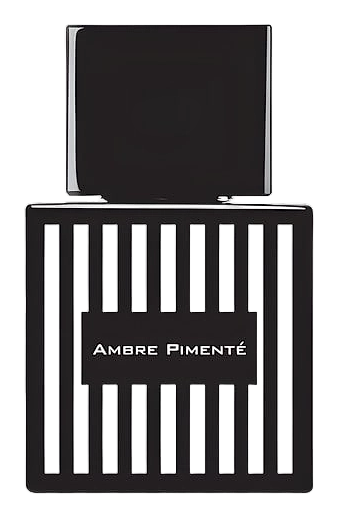
Ambre Pimente takes its name from two notes: amber and pepper. The French spelling, Pimente, points to the calculated warmth running through the composition. For Ajmal, known for orientals that layer depth upon depth, this was an exercise in restraint. Not a statement fragrance. More like a conversation between warmth and spice, resolved quietly. The house built its name on oud and Arabian orientals, but Ambre Pimente shows another side, refined, warm, unhurried. A composition that earns its hours on skin rather than announcing them at the door.
The pyramid keeps things simple: spices up top, then guaiac wood, amber, cedar, and musk anchoring the base. No oud, no fanfare. What makes it work is the balance between the calculated heat of the opening and the honeyed warmth that follows. Guaiac wood brings a smoky-cream quality that softens the spices without killing them. Cedar adds dry precision. Musk keeps everything intimate and close. It's an oriental woody that doesn't need to shout to hold a room.
The evolution
The opening hits with immediate presence, a burst of spice that reads as confident rather than aggressive. Bright, yes. But warmth already building underneath. The transition to the heart is seamless. Amber and guaiac wood arrive together, filling the space the spices leave as they settle. The warmth isn't softening so much as deepening, getting richer, more textured. Then the drydown. Cedar and musk arrive quietly, smoothing everything into a woody-resinous base that holds. The scent stays close, its presence unmistakable. That's the payoff. Not loud. Present.
Cultural impact
Ambre Pimente attracts those who want warmth and presence without projection. Admirers praise its longevity and the quiet confidence it projects. The fragrance divides opinion, some find it too strong while others embrace exactly that boldness. In the wider fragrance world, it occupies a space for those seeking oriental woody character without fanfare.