The Story
Why it exists.
The beginning
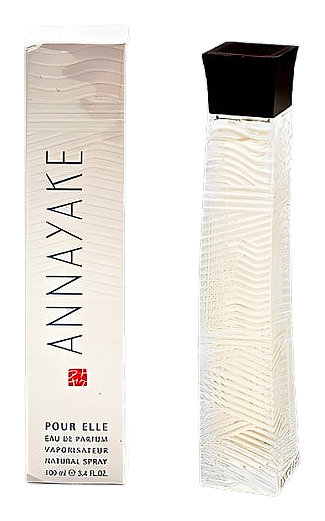
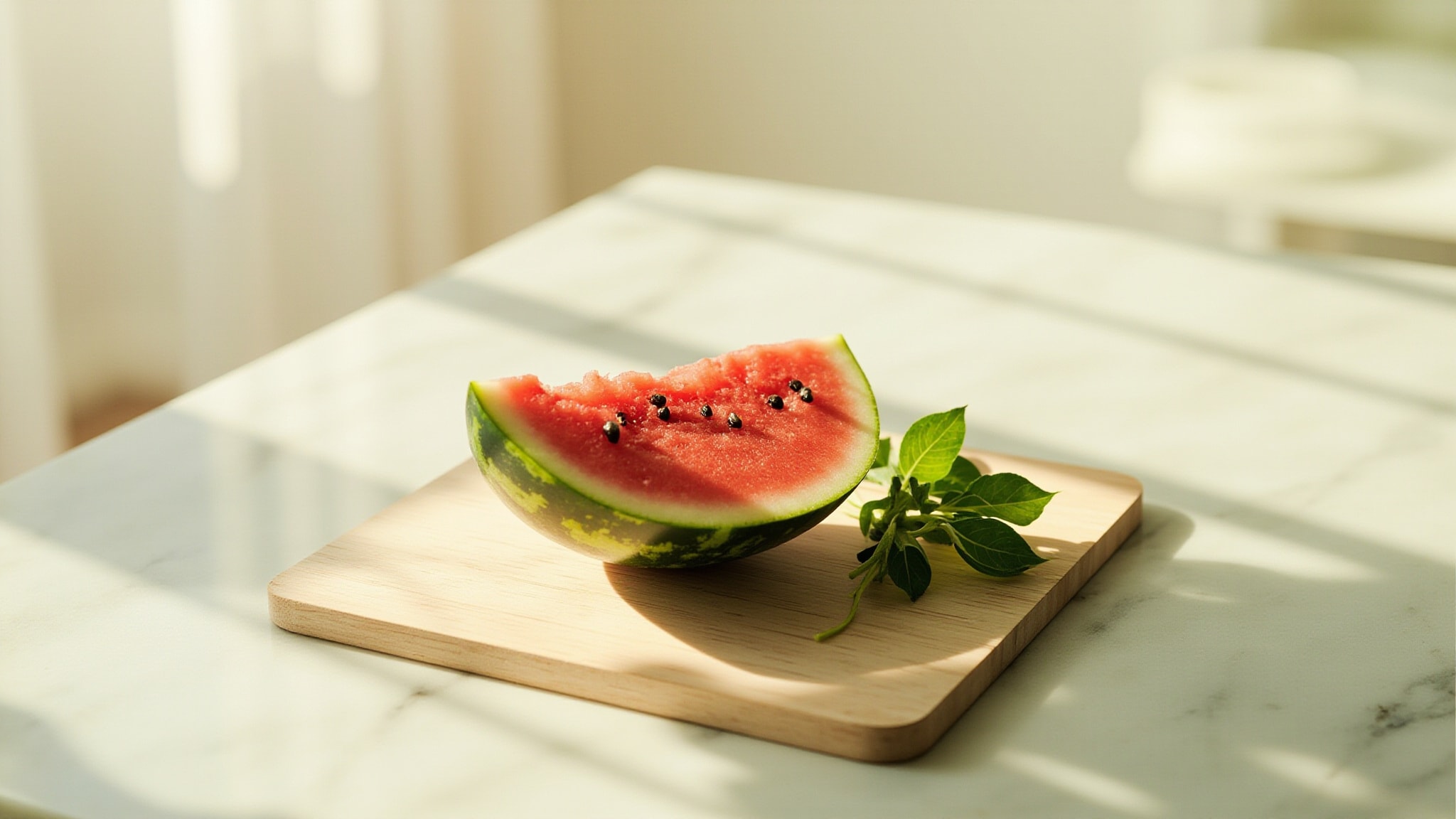
Natsumi arrived in 2004 as Annayake's answer to summer. The name means 'the beauty of summer' in Japanese, and the fragrance translates that concept into something you can wear. Japanese summers are lush, green, saturated with vegetation and herbal sap. The perfumer captured that abundance, not the heat, but the freshness underneath it. Cut grass after rain. Watermelon on a wooden porch. Florals that arrive without apologizing. This is summer bottled for someone who wants to smell like the season, not just survive it.
What makes Natsumi work is the balance between green and fruity. Too much grass and it reads medicinal. Too much watermelon and it becomes a candy. The composition threads between them, opening with fresh-cut grass and cold watermelon, then letting lily of the valley and rose soften the edges without losing the green character. The base doesn't overpower. Peach and musk keep it close, warm, skin-like. Cedar and sandalwood add just enough structure to keep the sweetness from going flat. It's a formula that could have gone either way, instead it lands somewhere specific: a summer scent that's refreshing without being aggressive, sweet without being frivolous.
The evolution
The green grass opens sharp and bright. Watermelon adds a cool, almost ozonic sweetness, like biting into something frozen on a hot day. Ylang-ylang and lemon lift the top without overwhelming it. Twenty minutes in, the florals begin to surface. Lily of the valley arrives first, clean and delicate. Orange blossom follows, bringing a whisper of cream. Rose and violet complete the heart, and the composition shifts from green to floral, a white floral character that feels more green than sweet. By the second hour, the base takes over. Peach and plum emerge, their sweetness now more noticeable. Musk and cedar anchor the drydown, woody, softly sweet, intimate and close. The sillage stays moderate. It doesn't fill a room. It stays with you, warm and skin-close, for most of the day.
Cultural impact
Natsumi emerged during the early 2000s when Japanese aesthetics were influencing global fragrance design, particularly the preference for lightweight, translucent compositions. Annayake positioned the fragrance within the broader 'body fragrance' concept, a Japanese approach that treats scent as an intimate extension of personal presence rather than a room-filling statement. The green grass and watermelon pairing was relatively uncommon in Western perfumery at the time, though it aligned with Japanese fragrance traditions that often prioritize crisp, natural accords over heavy, complex constructions.