The Story
Why it exists.
The beginning
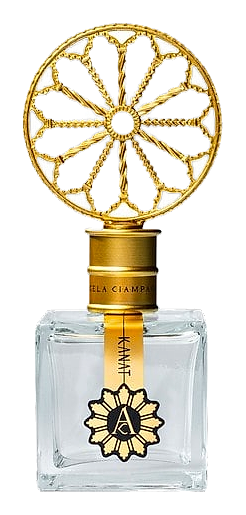
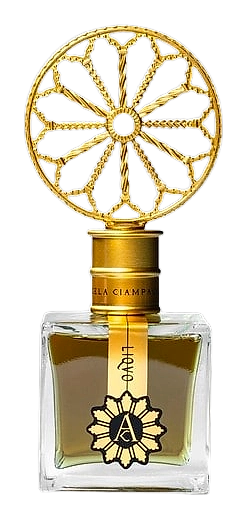
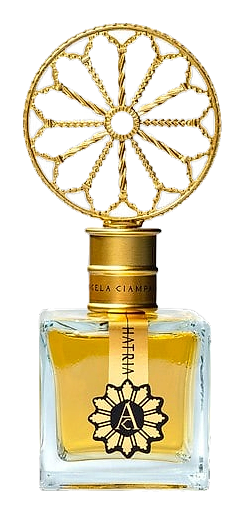
Hatria arrived in 2015 as part of Angela Ciampagna's first public collection, a set of five scents that marked the moment she moved from private commissions to creating for a wider audience. Named after the ancient Italic territory of Hatria in central Italy, the fragrance draws from the same regional landscape that informs the entire Atri workshop: warm resins, aromatic woods, and the herbal complexity of Mediterranean botanicals. Where other releases in that inaugural group explored themes of air, light, and water, Hatria took a different direction, deeper, warmer, more insistent. The brief was simple: a rose-oud composition that didn't perform for anyone. It just held the room.
What makes Hatria's structure interesting is how the warm spices, clove, saffron, resist the usual rose-oud template. Instead of letting the floral and woody notes dominate from the start, this composition opens with a metallic shimmer that feels almost mineral. The davana, often overlooked in Western perfumery, adds a green-herbal quality that prevents the top from being purely sweet. In the heart, the caramel doesn't soften the rose, it amplifies it, creating a honeyed richness that borders on gourmand without tipping over. The gurjum balsam and oud provide a dark, balsamic counterweight that keeps everything grounded.
The evolution
The first minutes hit hard. Clove and saffron arrive together, that metallic edge cutting through the sweetness before the caramel has a chance to settle. Jasmine adds a brief green-floral whisper, then fades. Within thirty minutes, the rose emerges, but it's not delicate. The caramel has been building underneath, and when they meet, the effect is rich, almost jam-like, with the gurjum balsam adding a faint medicinal depth. Two hours in, the rose begins to dry. The sweetness recedes but doesn't disappear. What lingers is the wood, guaiac and sandalwood, warm and slightly smoky, with patchouli's earthiness threading underneath. Labdanum adds a sticky resin quality, and the nagarmotha brings something almost tar-like, grounding the composition into something that stays close to the skin. The drydown holds for another four to six hours. By morning, there's a faint trace on the wrist, rose still present, but abstracted into something quieter, wood-dominant, intimate.
Cultural impact
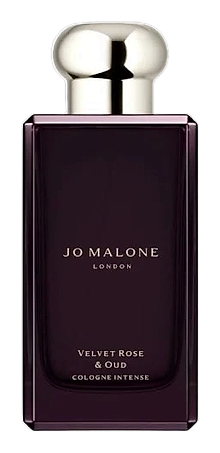
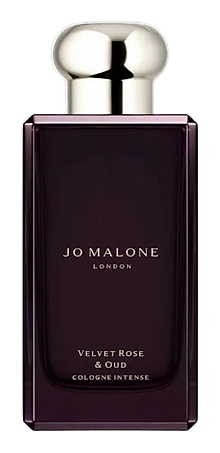
Wearers consistently describe Hatria as a rose-oud that avoids the expected, neither the polished Jo Malone template nor the heavy Middle Eastern style. The consensus: a fragrance that earns its longevity, with an opening that demands attention and a drydown that rewards patience. It sits comfortably among collectors who seek compositions that unfold rather than announce.