Heritage
A house, in its own words
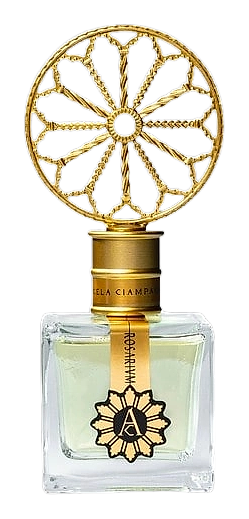
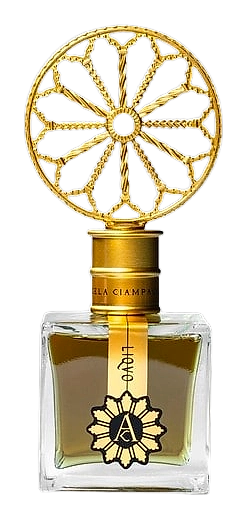
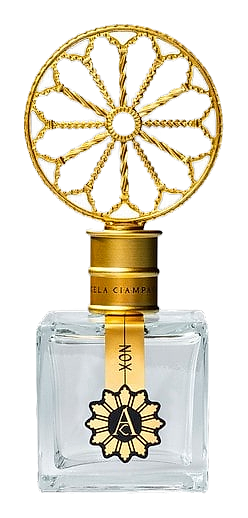
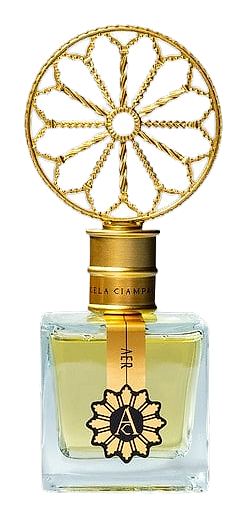
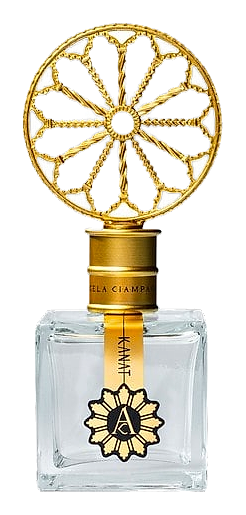
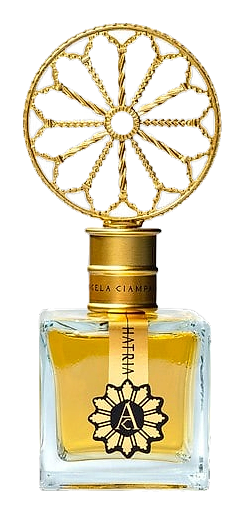
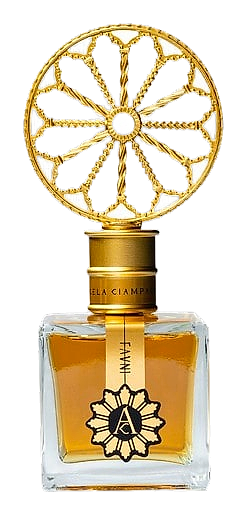
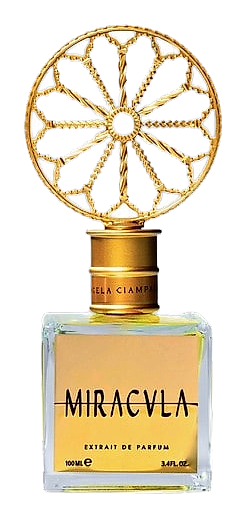
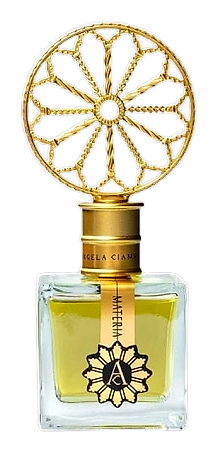
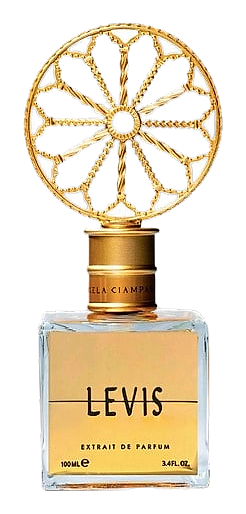
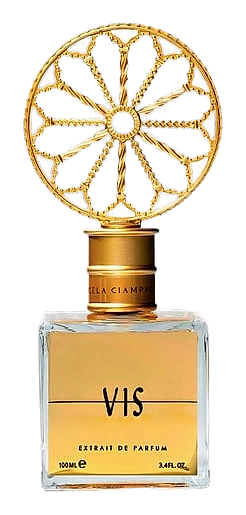
The story of Angela Ciampagna begins in 2010, when Angela Ciampagna left a career as a ghost nose and private perfume consultant to open an artisanal studio in her family’s workshop in Atri, a hill‑top village in central Italy. The decision reflected a desire to move from anonymous commissions to a personal creative platform. Early on, the brand operated out of a converted stone cellar, where Angela blended raw materials by hand, guided by the traditions of Italian perfumery and the resources of nearby farms. By 2015 the house introduced its first public editions, including Rosarium, Liquo, Aer, Hatria, and Nox, marking a transition from private lab work to a market presence. Each launch was accompanied by a limited‑run production, reinforcing the brand’s commitment to scarcity and craftsmanship. In 2016 the line expanded with Ignes and Fauni, while 2018 added Materia and Miracula, demonstrating a steady output of new concepts. The 2021 Fragranze event in Milan featured co‑founder Enrico Maraffino announcing a strategic partnership, signaling the brand’s growing network within the niche community. Participation in the Notes Shanghai Spring Edition 2026 placed Angela Ciampagna on an Asian stage, confirming its status as an internationally recognized artisanal house. Throughout its evolution, the workshop has remained family‑run, preserving the hands‑on approach that defined its inception. Angela Ciampagna treats perfume as a visual art translated into scent. The house believes that each fragrance should tell a story rooted in place, memory, or emotion, rather than follow market trends. Angela emphasizes a dialogue between tradition and experimentation: classic Italian ingredients such as bergamot, labdanum, and Tuscan woods sit beside unconventional notes like synthetic ambergris or rare resins. The brand values transparency, sourcing raw materials from vetted growers in Italy and neighboring Mediterranean regions whenever possible. Sustainability informs decisions on packaging and waste, with glass bottles recycled locally and excess blends repurposed for internal testing. Rather than chasing accolades, the house measures success by the depth of the wearer’s experience, aiming for scents that reveal new facets over hours of wear. Collaboration is welcomed, but only when the partner shares a respect for meticulous formulation and artistic integrity.