
The Story
Why it exists.
The beginning
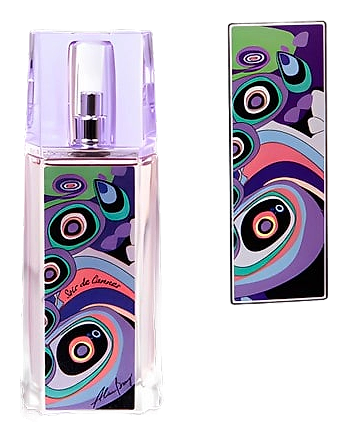
Released in 2010, Soir de Cannes enters the catalogue as an oriental floral, a category that invites sugar and spice into white flowers. The name borrows directly from the French Riviera. Soir means evening. Cannes is Cannes. The intent reads clearly: a fragrance designed for the moment after the sun drops, when the Croisette catches its last gold and the lanterns take over. The composition opens with a bright burst of fruit that lands quickly on a heart of jasmine and patchouli, then settles into a warm base of brown sugar, musk, and sandalwood.
What separates this from a standard oriental floral is the gourmand undercurrent running beneath the floral architecture. Brown sugar and sandalwood together create a specific kind of depth, almost edible in how it reads on skin. The white floral on top keeps it from tipping into pure sweetness, and the patchouli in the middle adds enough earth to anchor all that sugar to something real. The interplay between bright fruit and warm base creates a push-pull that keeps the fragrance dynamic through the first hour.
The evolution
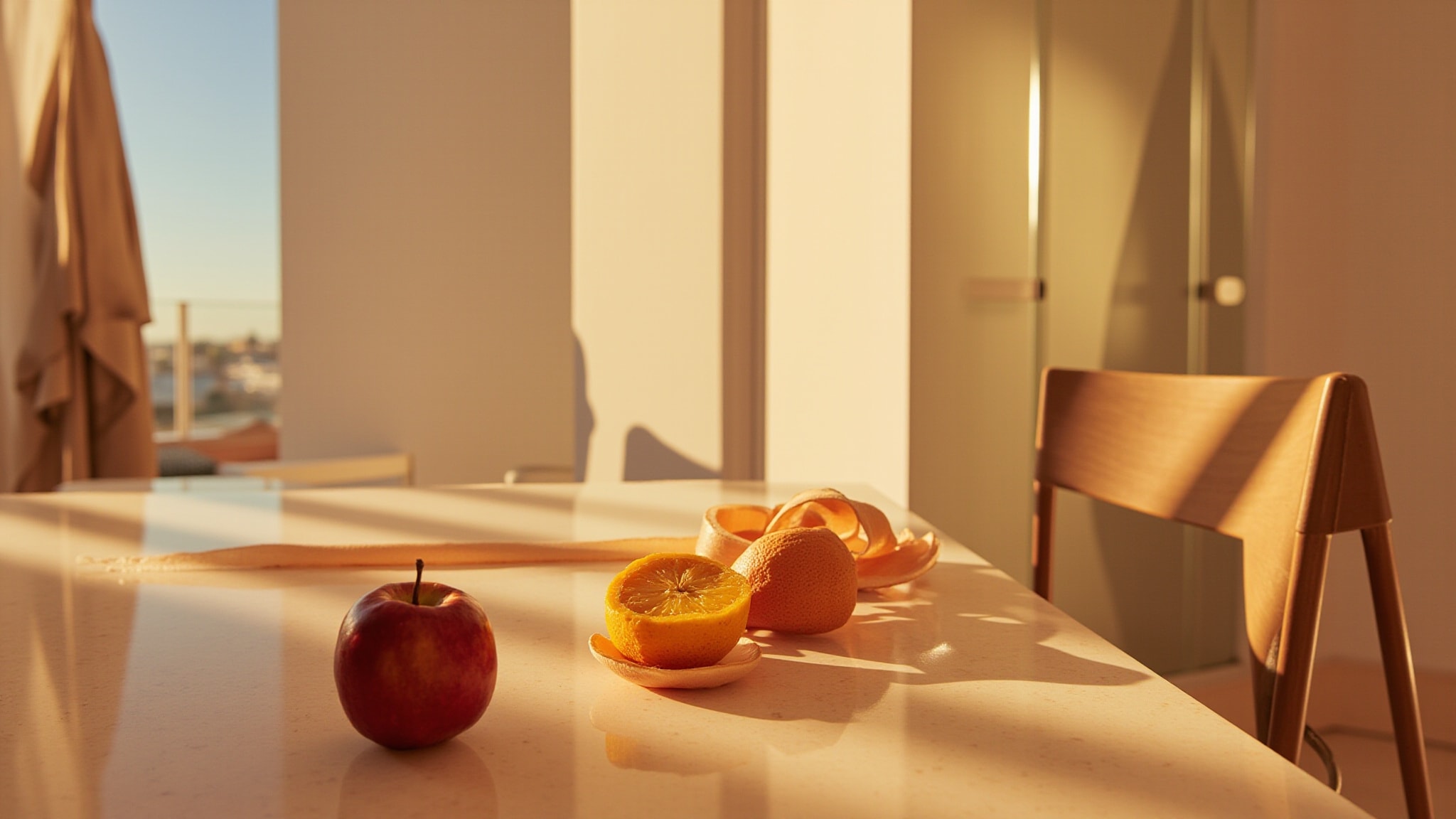
On skin, the first thirty minutes belong to mandarin orange and apple, both lifted by a powdery softness that arrives almost immediately, a signal that the florals are loading underneath. The apple reads bright and just-cut, the mandarin adds a thin ribbon of citrus zest. Together they create an opening that feels more candied than tart, but still carries enough acidity to keep the fruit from collapsing into sugar. Jasmine takes the wheel next, white and creamy, with patchouli threading through it to keep the sweetness from floating off. The middle act holds for about an hour before the base announces itself. Brown sugar arrives not as a wave but as a slow suggestion, warm and skin-like, settling under the jasmine rather than replacing it.
Cultural impact
Soir de Cannes draws its setting and atmosphere directly from the French Riviera after dark. The name itself anchors it there: Soir for evening, Cannes for the city. That geographic anchor runs through every layer of the composition, from the bright fruit opening that catches the last of the daylight to the warm sugar and sandalwood base that carries the fragrance into candlelit hours. The fragrance positions itself as a moment rather than a destination, built around a specific kind of evening wear: dressy, intimate, the kind of scent that reads close to the skin rather than across a room.
The House
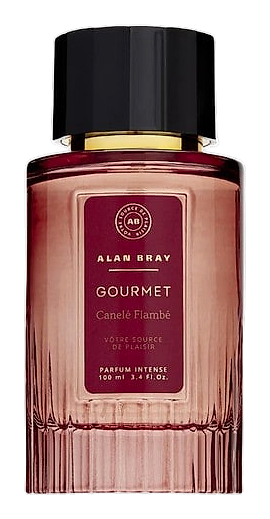
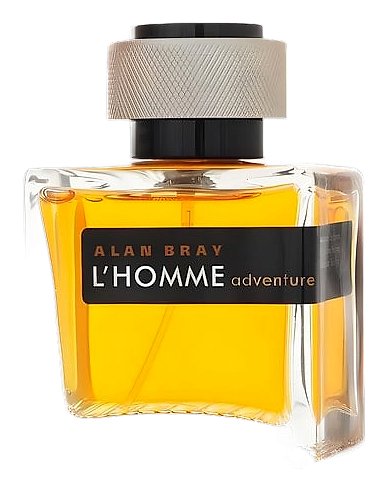
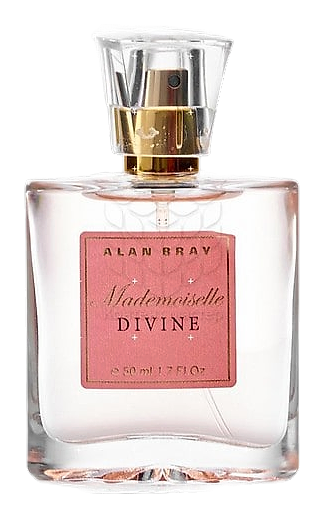
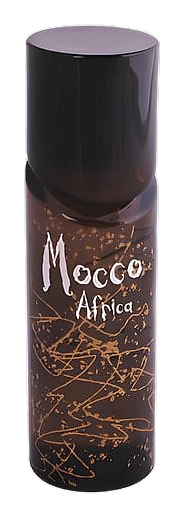
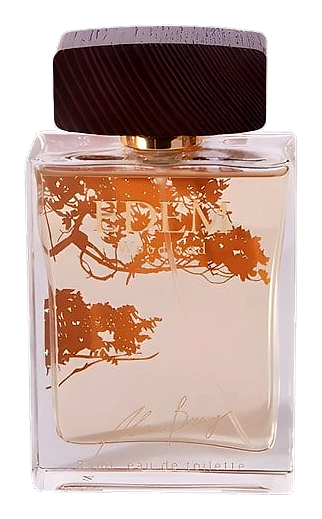
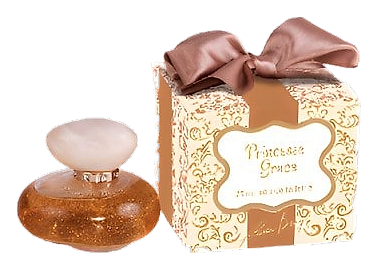
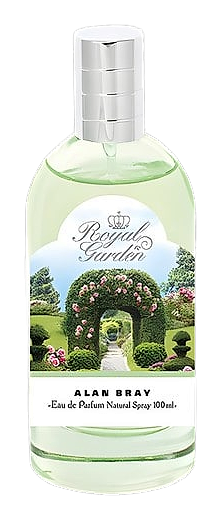
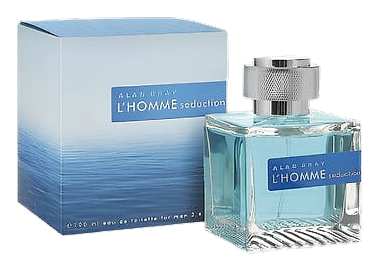
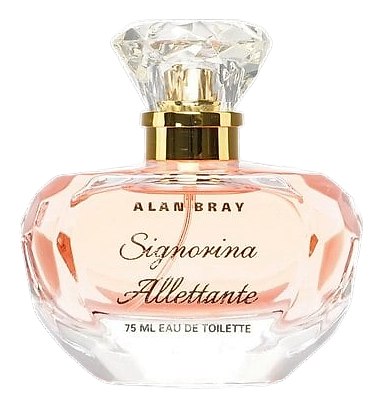
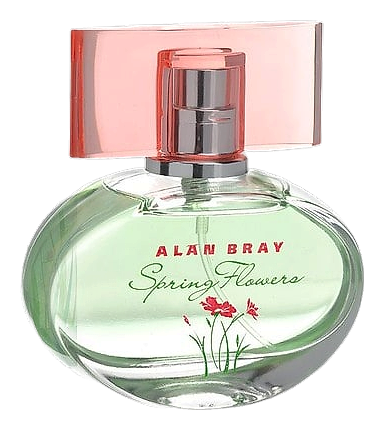
Alan BrayAlan Bray is a niche perfume house that builds a catalogue of more than ninety scents since the early 2000s. The brand releases fragrances that often pair unexpected ingredients, such as cherry and almond in its Canelé Flambé (2024) or the bright floral accord of Spring Flowers (2013). Each launch arrives with a distinct personality, inviting collectors to explore a spectrum that ranges from the masculine L'Homme Noble (2025) to the daring High Society L'Imperatrice (2024). The label operates out of Paris and reaches a global audience through specialty retailers and online platforms.
The Creator
Alan BrayBray’s signature technique rests on a single, bold accord that dominates the composition. In Cherry Almond he pairs bright, fermented cherry with warm, nutty almond oil, letting the two notes intertwine for twelve hours without fading.