The Story
Why it exists.
The beginning
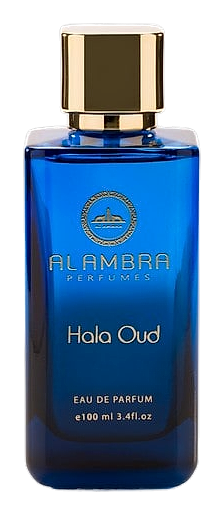
Hala Oud arrived in 2014 from Al Ambra, a house that has spent years distilling aromatic materials into bottles. The composition sets out to present oud in a particular light. Perfumer Abdul Rahiman Mugarithottam built the fragrance around a 100% natural oud base, the kind of material that rewards attention. The composition reads as a deliberate study in balance, a traditional ingredient placed into proportions that feel considered rather than overwhelming. The opening brings a fruit-led brightness that softens the approach, citrus and apple lifting the mood before the denser material begins to surface.
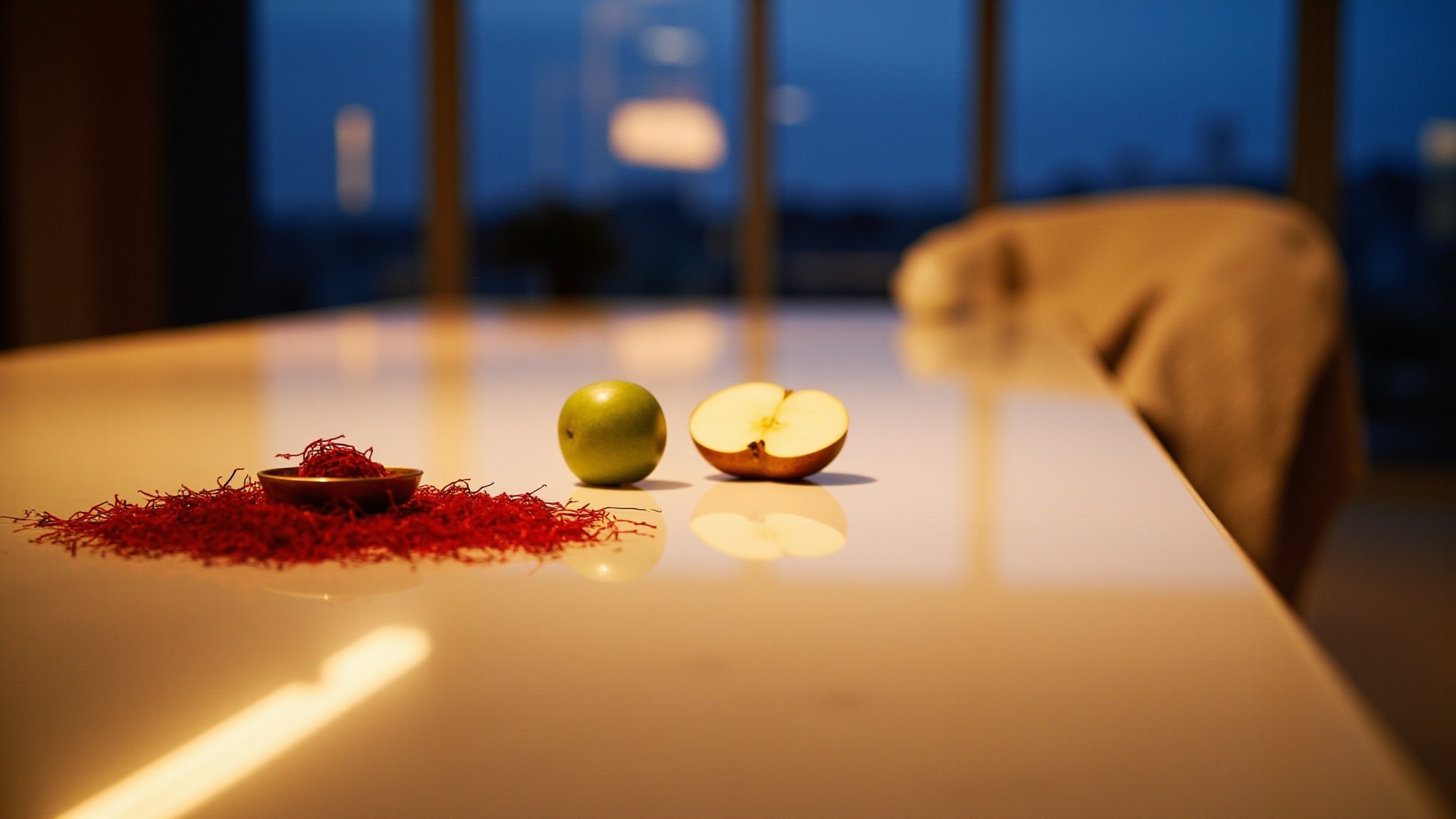
What's unusual here is the structural decision. Oud almost always anchors the bottom of a composition, and it usually shares that basement with sandalwood, musk, or rose. Hala Oud does something different. The saffron, cloves, cinnamon, and labdanum cluster in the middle act in unusual density, building a spicy, resinous bridge that the fruit-topped opening has to leap across. The transition from apple and citrus into that spiced heart is where the composition earns its character.
The evolution
On skin, Hala Oud opens with a sharp, almost green apple snap layered over bright citruses, brief enough to feel like a greeting. Within 20 minutes the saffron arrives, dry and leathery, followed by cloves that warm the whole composition into a dense, spiced resin. The cinnamon and labdanum thicken the middle for the next two to three hours, a phase that smells closer to a Middle Eastern sweet shop than a typical oud. Then the sandalwood and cypriol take over, and the apple-and-saffron opening fades from memory entirely. The base is smoky, earthy, slightly rooty, with the oud arriving more as a whisper than a statement. Six to eight hours in, what remains is a warm, woody, leathery skin scent that clings close and lasts through the next morning if applied to fabric.
Cultural impact
Hala Oud has settled into a quiet reputation among collectors who appreciate oud-forward compositions that don't lead with force. The fragrance reads as an exercise in proportion, offering the material's presence without the density that often comes with it. It's the kind of bottle that tends to appeal to someone already curious about oud, someone looking for something more composed than chaotic, more measured than raw. The composition has earned it a slow, steady audience rather than viral attention.