The Story
Why it exists.
The beginning
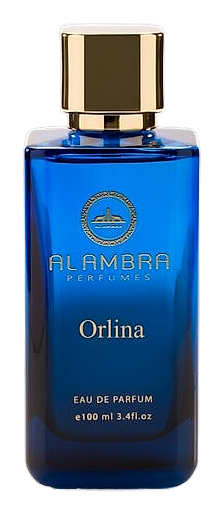
Abdul Rahiman Mugarithottam designed Orlina in 2017 as a statement in white florals. The brief was simple: confidence without apology. Citrus opens bright and tart, neroli softening the edge of raspberry. Then the heart takes over. Jasmine and gardenia bloom creamy, warm, unapologetically lush. White honey anchors the base, keeping sweetness from becoming fleeting. This is the woman who walks into the room and stays in the room. Not because she demanded it. Because she didn't need to.
The African Orange Flower in the heart is the telling note. Less common than neroli or orange blossom in Western flankers, it brings a darker, more opulent citrus blossom character than the neroli in the top. Layered over jasmine and gardenia, it creates a white floral heart that reads as both romantic and intentional. White honey threading through the drydown is what separates this from generic fruity florals. It doesn't sweeten the composition so much as it deepens it, adding a beeswax warmth that makes the patchouli and amber feel earned, not bolted on.
The evolution
The citrus-raspberry opening announces itself for roughly 20 minutes before the florals begin their takeover. Neroli fades first, then the lemon retreats, and the jasmine-gardenia heart opens into something richer, creamier. The honey is present from the start but becomes the dominant story only in the drydown, blending with amber into a warm, intimate trail. By hour six, what remains is a close skin scent with light patchouli and a faint beeswax sweetness. On fabric, it holds longer. The full arc from bright opening to quiet drydown takes most of a workday.
Cultural impact
Orlina belongs to a specific tradition of Gulf femininity: bold, unapologetic, warm. For women who find Western mainstream florals too restrained, this carries more intention. The honey-white floral combination is its own statement, neither a copy of Western niche nor a purely regional product.