    Brand Profile

    Al Ambra is a Dubai‑based perfume house that emerged in the early 2000s to serve the growing niche market for Middle Eastern fragrance. Sinc…More

    United Arab Emirates·Est. 2004·Site
    40
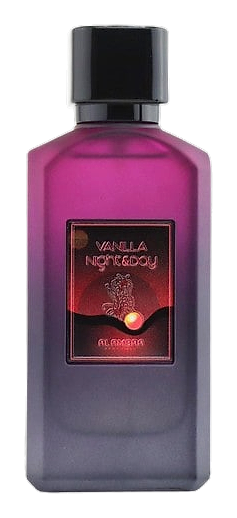
    Vanilla Night & Day by Al Ambra
    NewBest Seller
    4.7

    Vanilla Night & Day

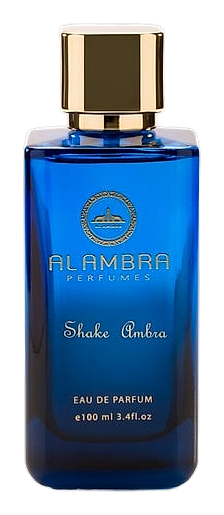
    Shake Ambra by Al Ambra
    Best Seller
    4.5

    Shake Ambra

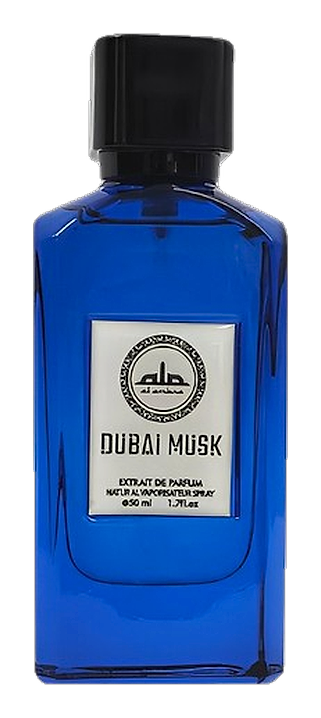
    Dubai Musk by Al Ambra
    Best Seller
    4.5

    Dubai Musk

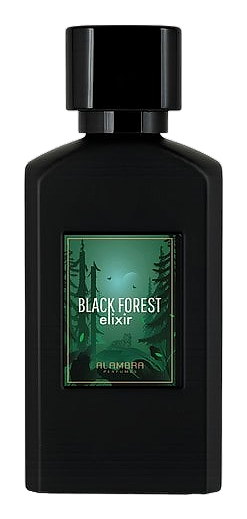
    Black Forest Elixir by Al Ambra
    New
    4.5

    Black Forest Elixir

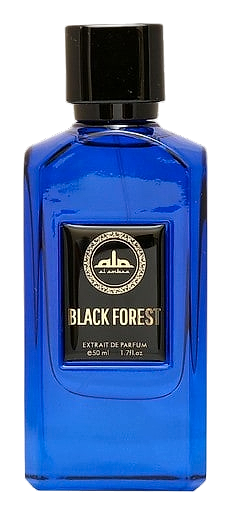
    Black Forest by Al Ambra
    4.4

    Black Forest

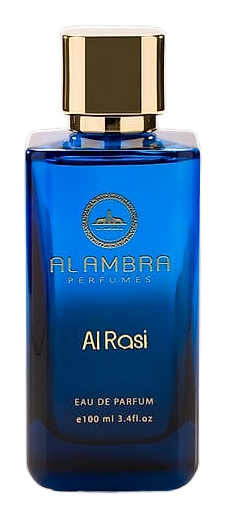
    Al Rasi by Al Ambra
    4.2

    Al Rasi

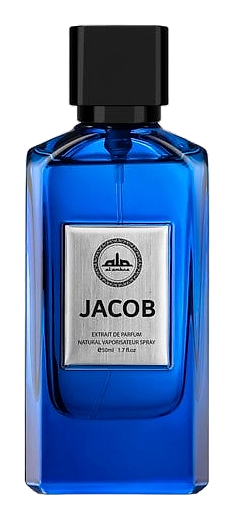
    Jacob by Al Ambra
    4.2

    Jacob

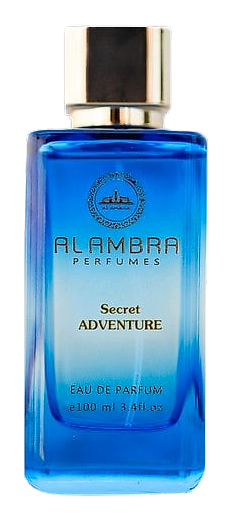
    Secret Adventure by Al Ambra
    4.2

    Secret Adventure

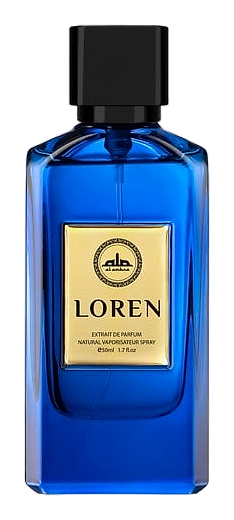
    Loren by Al Ambra
    4.1

    Loren

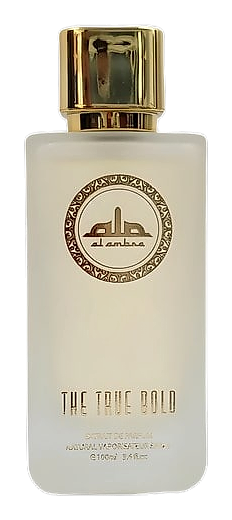
    The True Bold by Al Ambra
    4.1

    The True Bold

    Amber Nuit by Al Ambra
    4.1

    Amber Nuit

    Tysir by Al Ambra
    4.1

    Tysir

    1 of 4

    The Heritage

    The Story of Al Ambra

    Al Ambra is a Dubai‑based perfume house that emerged in the early 2000s to serve the growing niche market for Middle Eastern fragrance. Since its launch, the brand has built a catalogue that spans more than a dozen scents, ranging from the amber‑rich Shake Ambra (2014) to the recent Vanilla Night & Day (2026). Al Ambra positions its creations as extensions of the region’s olfactory heritage, offering compositions that blend traditional accords with contemporary twists. The house distributes its products through an online boutique and a modest network of regional retailers, inviting collectors and casual wearers alike to explore its evolving line‑up.

    Heritage

    Al Ambra Perfumes Manufacturing LLC opened its doors in Dubai in 2004, at a time when the United Arab Emirates was witnessing a surge of interest in home‑grown niche perfumery. The founders – whose identities remain private in public records – aimed to craft scents that reflected the aromatic language of the Gulf while meeting the quality expectations of discerning consumers. The first publicly documented fragrance, Shake Ambra, appeared in 2014 and quickly attracted attention on fragrance forums for its balanced amber and spice profile. By 2016 the brand expanded its range with Al Rasi, a scent that highlighted oud and incense, signaling a deeper engagement with regional ingredients. In 2018 Secret Adventure entered the lineup, showcasing a more adventurous blend of citrus and woody notes. The 2020 release of Dubai Musk marked a milestone, as the house began to emphasize musk derived from sustainable sources, aligning with a broader industry shift toward ethical sourcing. The following years saw a steady cadence of releases: Jacob (2020), Black Forest (date unspecified), Black Forest Elixir (2025), Loren (2024), and the most recent Vanilla Night & Day (2026). Throughout this period, Al Ambra maintained a modest but consistent presence on social platforms, accumulating a following that includes fragrance enthusiasts across the Middle East and Europe. The brand’s evolution mirrors Dubai’s own rise as a hub for niche perfume houses, and its catalogue now serves as a timeline of the city’s aromatic experimentation.

    Craftsmanship

    Production at Al Ambra takes place in a dedicated manufacturing facility in Dubai, described in trade listings as a high‑capacity perfume production plant. The factory follows standard industry protocols for blending, maceration, and filtration, ensuring that each batch meets the house’s consistency standards. Raw materials are sourced from a mix of regional suppliers – for example, amber and oud from the Gulf, citrus oils from Mediterranean growers, and synthetic aromachemicals from European manufacturers. The brand reports that it conducts batch testing for both olfactory balance and stability, a practice common among niche houses that aim for long‑lasting performance. Bottling is performed on-site, allowing the company to oversee quality control from the first drop of perfume oil to the final seal. Packaging materials are selected for durability and aesthetic appeal; glass bottles are sealed with metal caps that protect the fragrance from oxidation. Al Ambra also offers sample sizes, a strategy that lets customers experience the scent before committing to a full bottle, a practice that aligns with the broader niche market’s emphasis on discovery. The combination of in‑house production, careful ingredient vetting, and rigorous testing contributes to the brand’s reputation for reliable, well‑crafted scents.

    Design Language

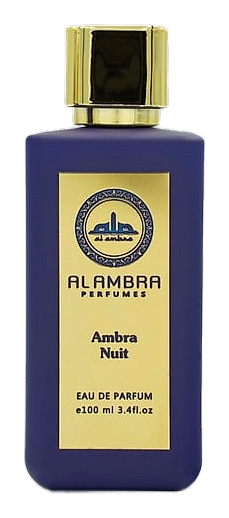
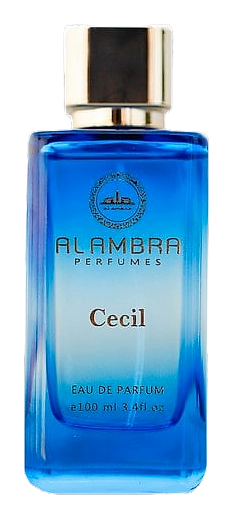
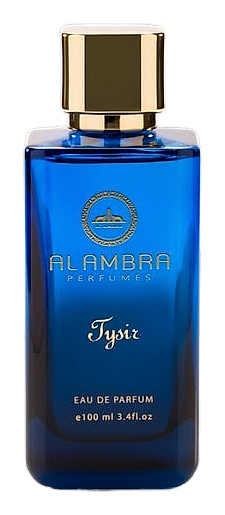
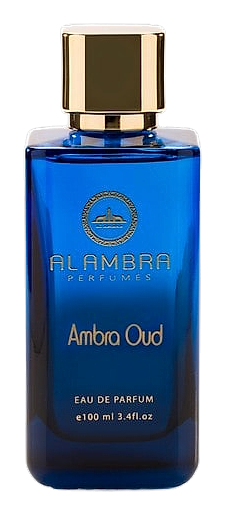
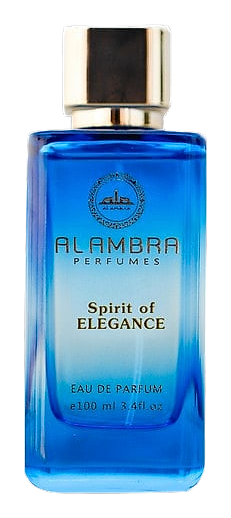
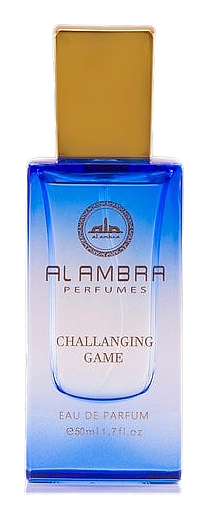
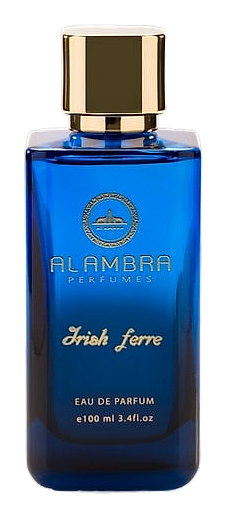
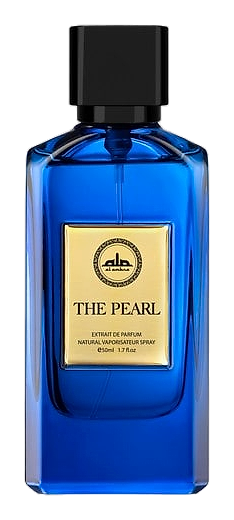
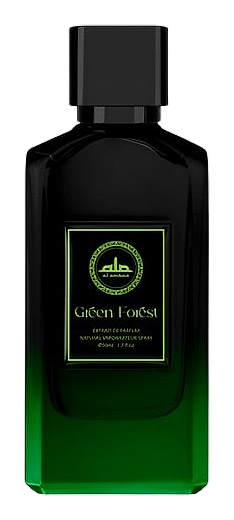
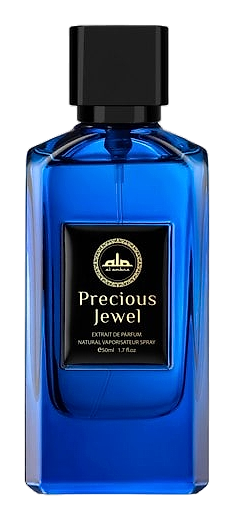
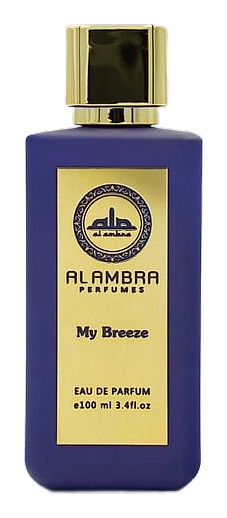
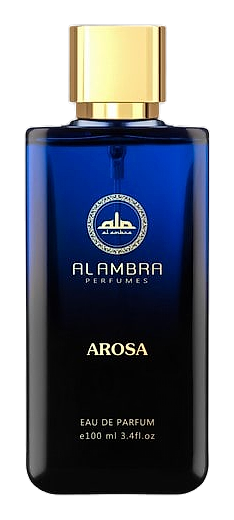
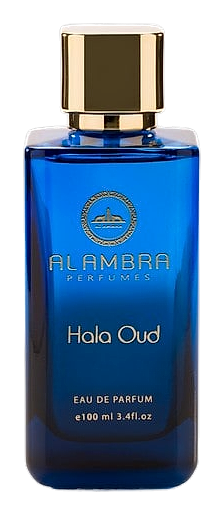
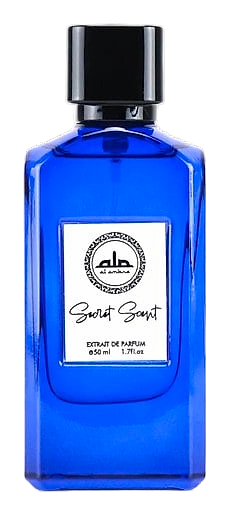
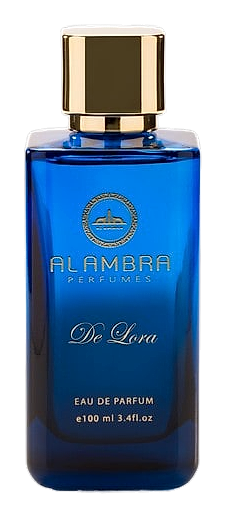
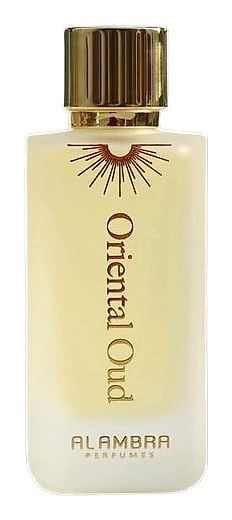
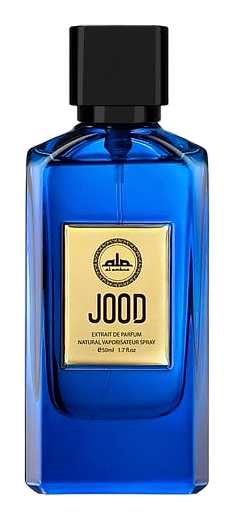
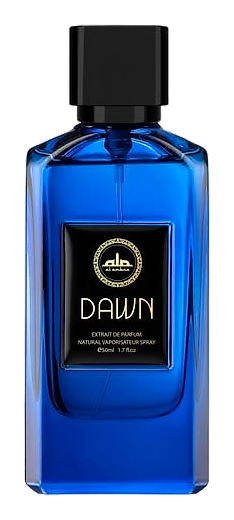
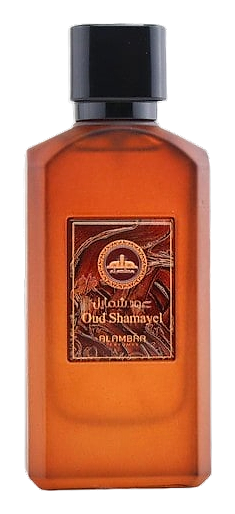
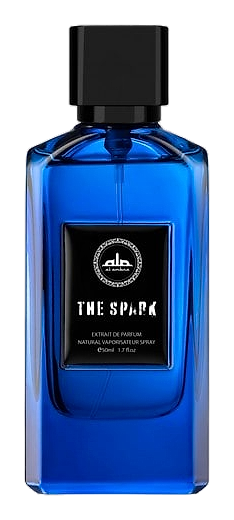
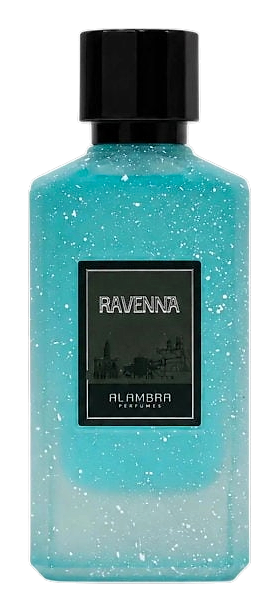
    Visually, Al Ambra adopts a restrained yet elegant design language that reflects its Middle Eastern roots. Bottles typically feature clear or amber glass, allowing the color of the perfume to become a focal point. Caps are often finished in brushed metal, sometimes bearing subtle Arabic calligraphy that hints at the scent’s cultural inspiration. The brand’s logo, displayed on the front label, uses a clean sans‑serif typeface paired with a stylized emblem that resembles a traditional perfume burner, creating a bridge between past and present. Packaging boxes favor muted tones – deep browns, charcoal, or ivory – and incorporate textured finishes that evoke the tactile quality of sand or parchment. Marketing imagery frequently includes desert landscapes or architectural motifs, reinforcing the connection to the Gulf’s heritage without resorting to overt extravagance. This visual consistency helps Al Ambra stand out on retail shelves and online platforms, where its understated elegance signals a focus on the fragrance itself rather than on flashy branding.

    Philosophy

    Al Ambra’s creative outlook rests on a respect for the historic perfume culture of the Middle East, coupled with a willingness to reinterpret classic accords for modern sensibilities. The house describes its work as a dialogue between heritage ingredients – such as amber, oud, musk, and frankincense – and contemporary compositional techniques. Rather than chasing trends, Al Ambra seeks to preserve the storytelling aspect of scent, allowing each fragrance to evoke a specific place or memory. The brand emphasizes transparency in ingredient selection, favoring raw materials that are either locally sourced or obtained through certified suppliers. Sustainability appears in its choice of plant‑based musks and responsibly harvested woods, reflecting an industry‑wide move toward greener practices. Al Ambra also values longevity; many of its releases are formulated to linger for several hours, a trait appreciated by consumers who prefer enduring aromas. The house encourages feedback from its community, using reviews and forum discussions to refine future releases, which underscores a collaborative spirit rather than a top‑down design approach.

    Key Milestones

    2004

    Al Ambra Perfumes Manufacturing LLC is founded in Dubai, establishing a dedicated production facility.

    2014

    Launch of Shake Ambra, the brand’s first widely recognized fragrance, marking its entry into the niche market.

    2018

    Secret Adventure is released, expanding the line with a citrus‑woody composition.

    2020

    Dubai Musk debuts, highlighting the house’s commitment to sustainable musk sourcing.

    2024

    Loren joins the catalogue, showcasing a modern take on floral‑amber accords.

    2025

    Black Forest Elixir is introduced, adding a richer, forest‑inspired scent to the portfolio.

    At a Glance

    Brand profile snapshot

    Origin

    United Arab Emirates

    Founded

    2004

    Heritage

    22

    Years active

    Release Rhythm

    2026
    2
    2025
    2
    2024
    2
    2023
    1
    2020
    15
    2018
    4
    2017
    2
    2016
    3
    alambraperfumes.com

    Did You Know?

    Interesting Facts

    Distinctive details and defining moments that shape the house personality.

    01

    Al Ambra is listed on Fragrantica as a niche brand that collaborates with the established perfume house Lattafa, indicating a partnership between two Dubai‑based entities.

    02

    The brand’s manufacturing arm is described in business directories as a premier industrial facility, suggesting it handles both in‑house production and contract manufacturing for other labels.

    03

    Al Ambra offers sample decants through third‑party platforms, a practice that aligns with the discovery‑focused culture of niche perfumery.

    04

    Despite being a relatively young house, Al Ambra has released over a dozen distinct fragrances within a twelve‑year span, demonstrating a rapid product development cycle.