
The Story
Why it exists.
The beginning
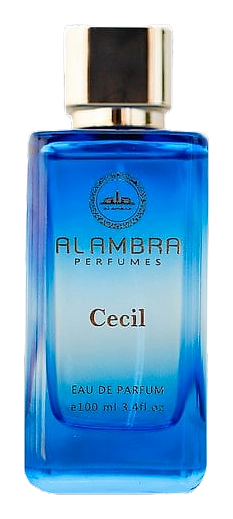
Cecil arrived in 2018, during a period of transition for Al Ambra. Perfumer Ghanim Yaqoob Jumma Khurram approached the brief with something quieter: a sweet rose, calibrated for closeness rather than impact. The name itself, Cecil, carries no geographic anchor, no obvious narrative. It reads as a name borrowed from somewhere else, worn like a borrowed jacket. That intentional ambiguity became the concept: a fragrance unmoored from expectation, built for the act of wearing rather than the act of announcing. The focus stayed narrow throughout development. Rose. Sugar. Violet. Woody notes in the heart and base. Each element was chosen to support the others, creating something that felt composed rather than constructed.
The choice of rose as a primary note isn't neutral in Gulf perfumery. Rose carries weight, it references traditions of attar and the place of florals in regional craft. By sweetening it with sugar and powdering it with violet, Khurram created a tension: the rose is present, but it's dressed for an occasion that hasn't been named yet. The woody notes compound in the heart and base, which is unusual, typically one woody material anchors the heart while another appears in the base. Here, the same category does double duty, creating a layered effect that builds as the fragrance develops.
The evolution
The opening announces itself without drama. Rose and sugar arrive together, the sweetness immediate and almost confectionary in its softness. There's no citrus to sharpen it, no spice to complicate it. Violet joins within minutes, but it's a supporting note, cool, powdery, tempering the sugar without erasing it. The woody notes begin asserting themselves in the heart phase, around the 30-minute mark. This is where the fragrance shifts. The character moves from sweet-floral to warm-woody. The cedar becomes the architecture, the thing that holds everything else in place. By the drydown, the sugar has receded and the musk has arrived. The woody notes remain, now wrapped in something that smells like skin, like warmth, like a second layer of identity. The longevity is notable, persisting for hours without requiring reapplication.
Cultural impact
Cecil occupies a distinct position within the Al Ambra range, offering a sweet-floral Musk profile with a powdery, warm rose at its center. The synthetic-floral character will read differently depending on individual preference, but the overall composition leans toward refinement rather than artificiality. Those drawn to powdery, warm roses will find in Cecil something that feels considered and composed. The fragrance exists in a different register from the bold regional materials that define much of Gulf perfumery: subtle, close, and lasting. It speaks quietly, which can be exactly what an everyday fragrance needs to be.
The House
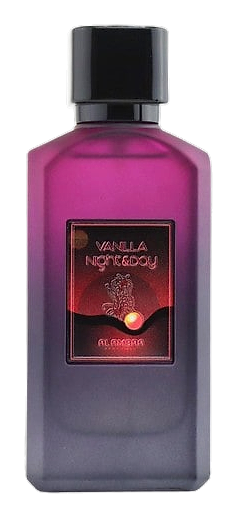
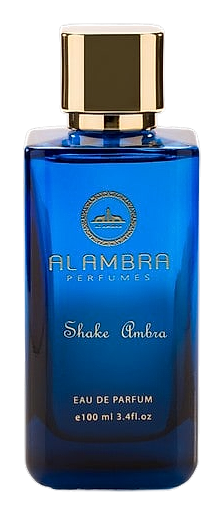
Al AmbraAl Ambra is a Dubai‑based perfume house that emerged in the early 2000s to serve the growing niche market for Middle Eastern fragrance. Since its launch, the brand has built a catalogue that spans more than a dozen scents, ranging from the amber‑rich Shake Ambra (2014) to the recent Vanilla Night & Day (2026). Al Ambra positions its creations as extensions of the region’s olfactory heritage, offering compositions that blend traditional accords with contemporary twists. The house distributes its products through an online boutique and a modest network of regional retailers, inviting collectors and casual wearers alike to explore its evolving line‑up.
The Creator
Ghanim Yaqoob Jumma KhurramKhurram gravitates toward bold contrasts. His known works pair fruity top notes with aromatic herbs and warm florals, creating scents that open bright but settle into something more complex.