Ghanim Yaqoob Jumma Khurram
Ghanim Yaqoob Jumma Khurram operates at the intersection of commerce and creativity. As co-founder of Al Ambra Perfumery in Dubai, he helped build a house that draws from Middle Eastern fragrance traditions while appealing to a global audience. His own compositions—Al Rasi (2016) and Spirit Of Elegance (2018)—reveal someone who thinks in full narratives rather than individual notes. Working alongside Abdul Rahiman Mukarithottam, Khurram shaped a brand that prioritizes sensory identity over market trends. His background sits at the crossroads of business leadership and olfactory artistry, bringing strategic clarity to a house that prizes authenticity. He represents a new generation of perfumers who understand that a fragrance must work as both art and product, communicating across cultural boundaries without losing its roots.
The hits
Notable creations
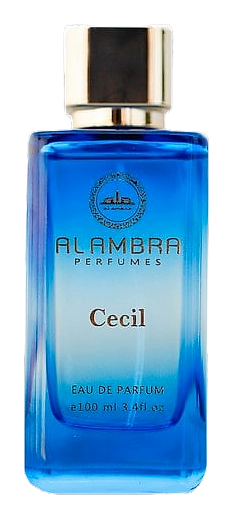
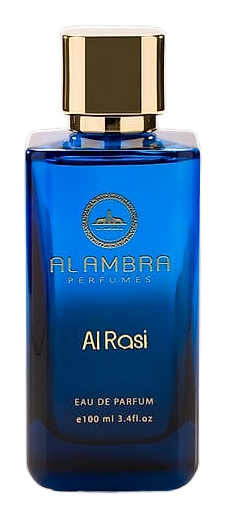
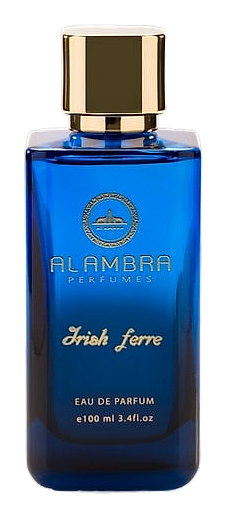
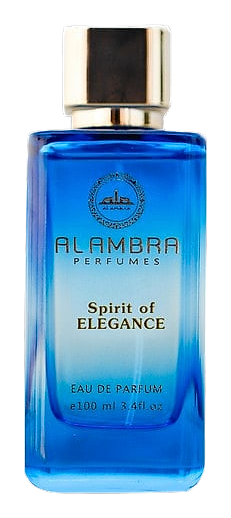
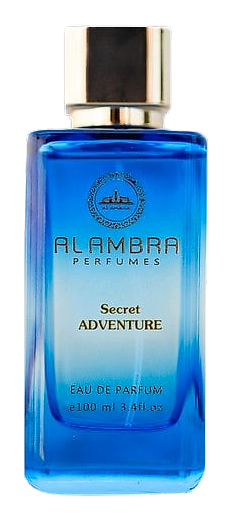
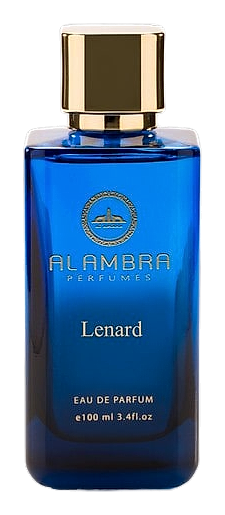
The signature
How Ghanim composes
Khurram gravitates toward bold contrasts. His known works pair fruity top notes with aromatic herbs and warm florals, creating scents that open bright but settle into something more complex. Al Rasi combines cherry and bergamot with carnation—a combination that reads as both playful and grounded. Spirit Of Elegance takes a different path entirely, using lavender and clary sage to establish an air of quiet confidence. He favors natural materials when they serve the vision, but he does not fetishize them; the final effect matters most. His signature lies in this willingness to be decisive about what a fragrance should feel like, then executing toward that feeling without hesitation.
Philosophy
What drives Ghanim
For Khurram, fragrance is a language. He builds each composition around a clear emotional narrative, asking what story a scent should tell before considering which ingredients might tell it. He draws heavily on the richness of Arabian perfumery traditions—oud, rose, amber—while remaining open to unexpected pairings that surprise without alienating. His approach respects the past without being constrained by it, seeking connections between heritage and contemporary taste. He believes the best fragrances create an immediate impression that deepens over time, revealing layers without demanding attention.
The houses
Maisons Ghanim composes for
In the same league