The Story
Why it exists.
The beginning
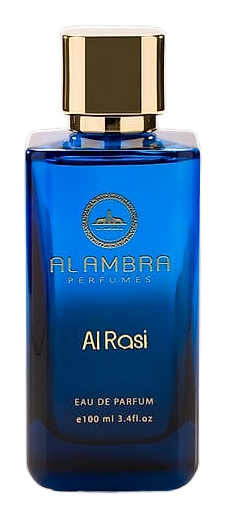
Al Rasi arrived in 2016 from Al Ambra, the Dubai house that spent its first decade building a catalog around amber and incense before pushing further into regional materials with this release. The perfumer, Ghanim Yaqoob Jumma Khurram, chose to structure the composition around contrast, bright cherry and bergamot at the opening, then a heart dense with carnation, jasmine, and ylang-ylang before settling into a base that leans heavily on oud, benzoin, and vanilla. The name itself carries weight in Gulf naming conventions, suggesting something foundational or essential.
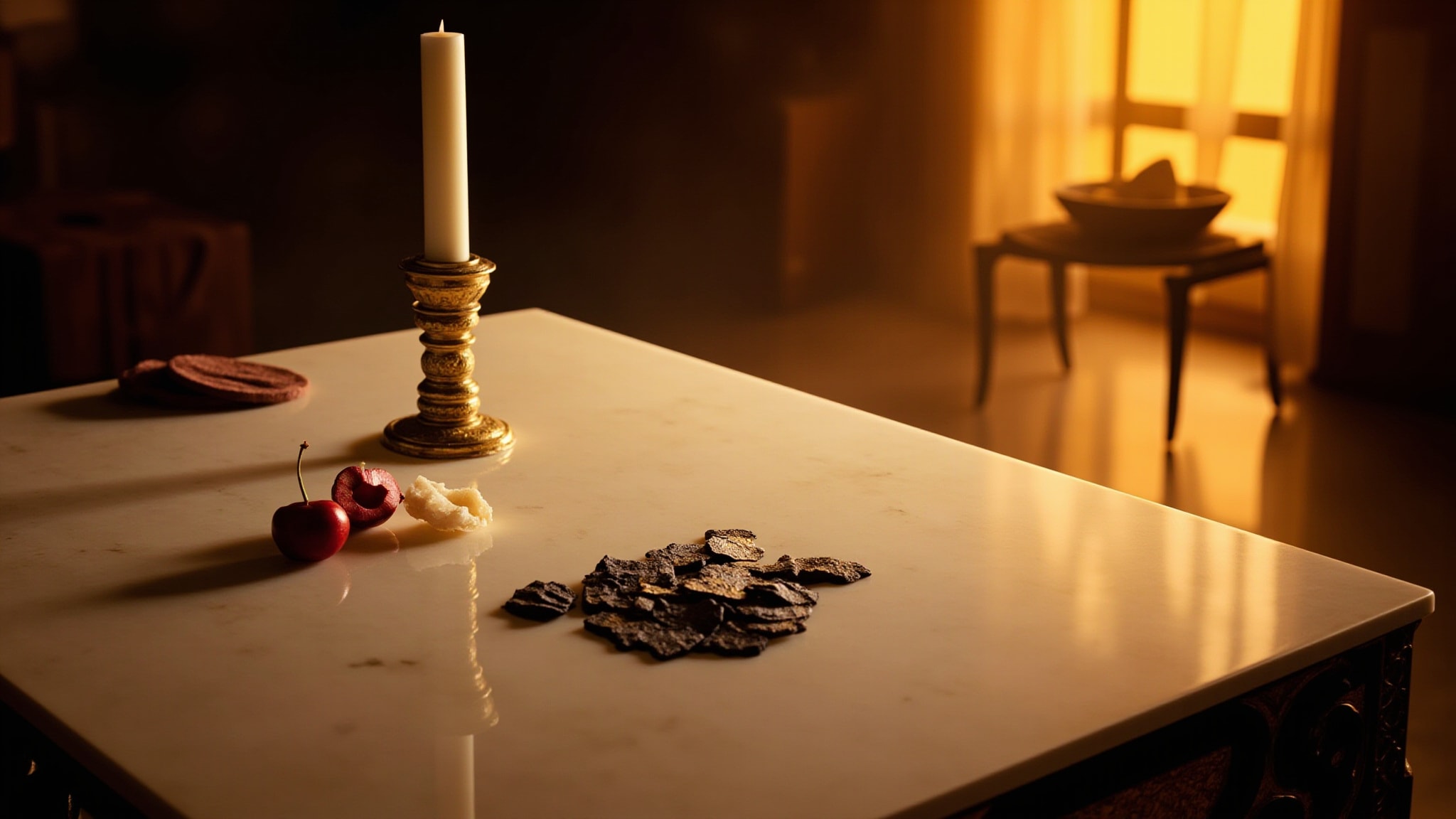
What's unusual here isn't the cherry, fruity openings have been standard for decades. It's the carnation. A spice disguised as a flower, carnation gives this fragrance a warmth that reads almost medicinal before it softens. Combined with lily of the valley, a note that usually signals freshness, the heart becomes unexpectedly lush, almost thick. Nine base materials, including labdanum, styrax, and peru balsam, create a resinous foundation that doesn't rush. The oud doesn't dominate; it anchors.
The evolution
The bergamot opens sharp, almost astringent, cutting through the cherry's sweetness within the first ten minutes. Then the florals arrive, not sequentially but all at once, a wall of carnation and jasmine that takes over. Ylang-ylang adds a creamy undertone almost immediately, so the transition feels seamless rather than dramatic. By the second hour, the cherry has mostly faded and the base takes over: benzoin and vanilla first, sweet and resinous, before the oud emerges and stays. The drydown on most skin types holds for four to six hours, close to the skin, warm, with vetiver and patchouli adding a slight earthiness that keeps the sweetness from becoming cloying. The next morning, what's left is a faint benzoin-vanilla trace on fabric.
Cultural impact
Al Rasi represents Al Ambra's deeper engagement with regional materials after years of working in the amber-spice tradition. The combination of cherry, carnation, and oud places it in a space between Western-friendly fruity florals and traditional Gulf oriental compositions. It's the kind of fragrance that bridges audiences, accessible enough for someone new to niche Middle Eastern perfumery, complex enough to reward attention from collectors who've worked through the usual suspects.