The Story
Why it exists.
The beginning
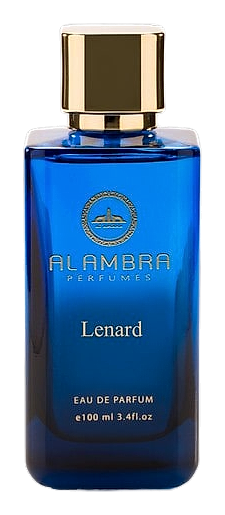
Lenard arrived in 2017, composed by Ghanim Yaqoob Jumma Khurram, and the intent reads straightforward on the first spritz: take a recognizable framework and strip it down to something that functions as a daily companion, not a statement piece. The fragrance was built to work without ceremony, to handle the rhythm of a regular day rather than punctuate a special one. The brand's own line, shared at launch, was direct. Lenard is for the romantic man who needs to smell like a man. No poetry, no mythology. Just a scent that holds its shape from morning commute to evening plans. What's interesting is how little the composition performs that intention. Instead of projecting loudly, the fragrance settles into a skin-close presence that asks for proximity rather than attention.
What makes Lenard worth a second look is the restraint in the structure. Grapefruit and jasmine could easily collapse into a generic fresh-floral, but the amber-vanilla base keeps pulling the center of gravity downward. The composition refuses to sit in any single category, reading powdery and ambered in practice even though the listed notes move in a different direction. It's a small-scale exercise in balance: enough citrus to feel awake, enough resin to feel dressed. The floral middle acts as the bridge rather than the destination.
The evolution
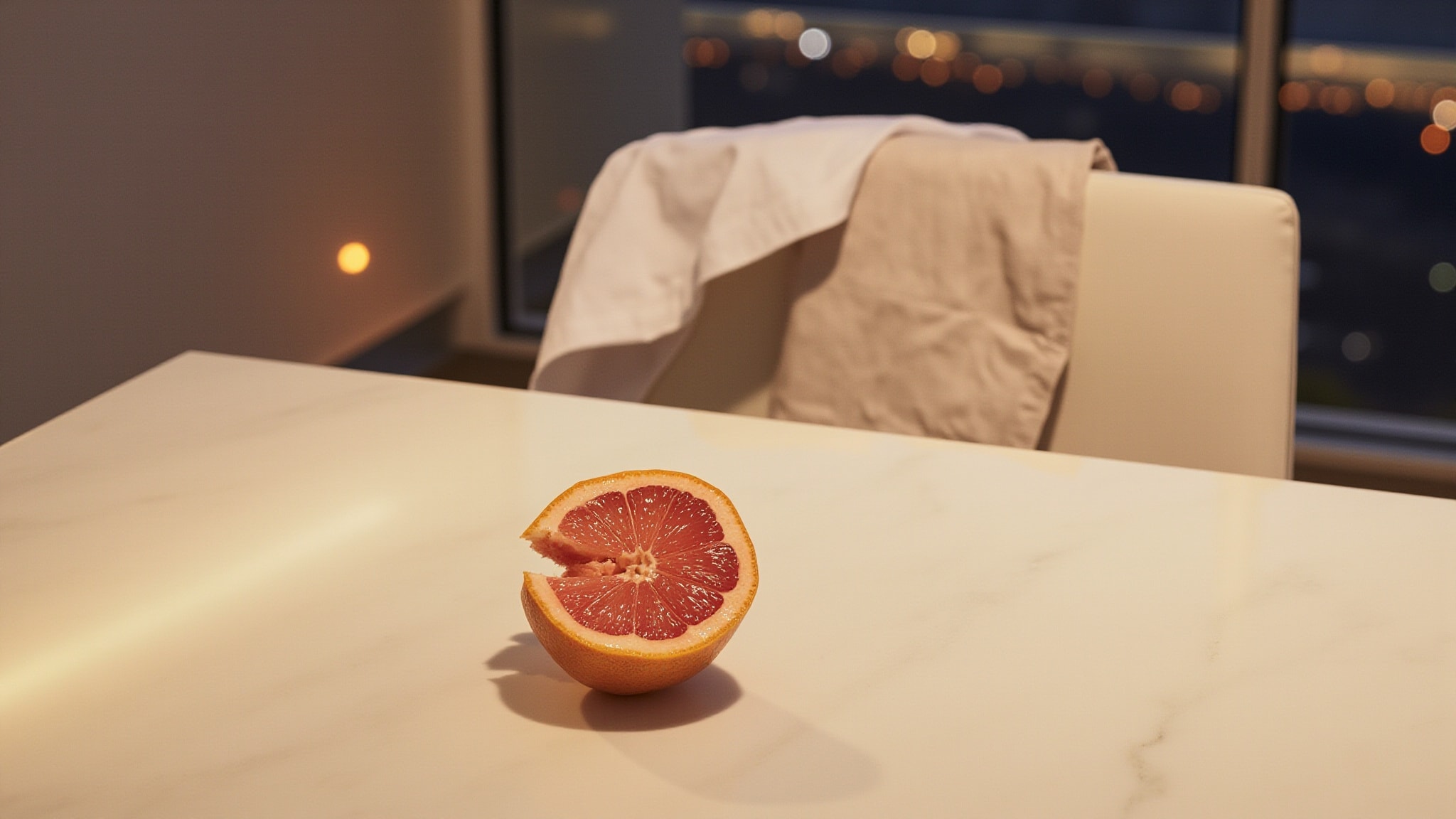
The first 30 minutes belong to grapefruit, sharp and just slightly bitter, the way the fruit smells when you tear the skin. Jasmine enters quietly underneath, not the heady tropical kind but a cooler, cleaner white-floral whisper. Around the 2-hour mark the transition happens, the citrus recedes and the amber takes over, warm and golden, with vanilla smoothing the edges. By hour 4 the scent has settled into something quieter and more intimate, a powdery amber that stays close to skin. On a shirt collar the next morning there's still a faint trace, clean and slightly sweet. The 6-8 hour arc holds without becoming intrusive, which is exactly the point.
Cultural impact
Lenard by Al Ambra earns attention for the way it treats grapefruit as something other than a summer concession. The composition leans into the bitter, almost pithy edge of the fruit rather than a candy-sweet rendering, and that choice alone separates it from the brighter, more crowd-pleasing citrus colognes that flood warm-weather shelves. The grapefruit here behaves less like an accent and more like a structural element, carrying enough weight to anchor the opening before settling into a softer role as the composition moves through its stages.