The Story
Why it exists.
The beginning
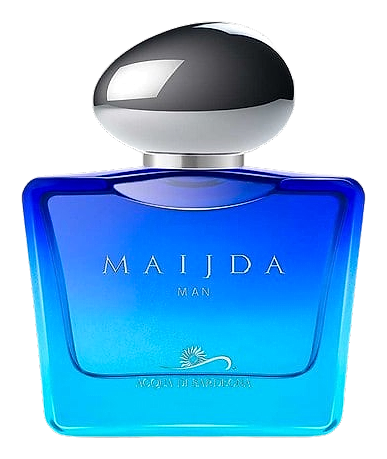
Maijda Man arrived in 2010 as part of Acqua di Sardegna's growing map of the island, where each release marks a distinct location through scent. Where the brand's debut release captured pine forests and mineral springs, this one pushes outward, toward the rugged coast where deep sea meets hard land. The name Maijda carries Sardinian weight, evoking masculine pride and the particular virility of a landscape shaped by wind, salt, and stone rather than cultivated gardens. The brief was straightforward: build a scent that smells like the Sardinian man, not a Mediterranean fantasy of one.
What makes Maijda's structure interesting is how the citrus opening refuses to behave like a standard freshie. Orange, grapefruit, and lemon deliver brightness, sure, but they're tethered to a herbal-fruity heart built around myrtle, the island's signature botanical. Myrtle is everywhere in Sardinia, growing wild along coastal paths and used in local liqueurs. Pairing it with blackcurrant and pink pepper gives the heart a sun-warmed fruit quality that's grounded rather than jammy.
The evolution
The opening is bright and almost aggressive in the best way, orange and grapefruit cutting through like sea air. Within 15 minutes the citrus starts warming, the lemon softening as blackcurrant's darker fruit tone emerges alongside myrtle's herbal-green character. Pink pepper adds a tingle that runs through the entire middle phase, keeping things from going too soft or sweet. Around the two-hour mark the composition shifts noticeably. The citrus recedes, myrtle deepens, and cedarwood begins to assert itself as the backbone. Benzoin arrives with its vanilla-leaning warmth, and patchouli grounds the whole thing with a slightly earthy, almost mineral quality that recalls hot stone after sunset. By hour five you're in full drydown territory: amber and cedarwood carrying the load, benzoin's warmth lingering close to skin, patchouli adding quiet depth.
Cultural impact
Maijda sits in the lineage of Mediterranean aromatic fragrances that lean herbal rather than aquatic, closer to classic Italian barbershop fougères than to mainstream designer citrus releases. It wears like the house intended: a man comfortable in his own landscape, unconcerned with trend cycles. The myrtle note ties it to Sardinian identity in a way that matters to those who know the island, and reads as simply an interesting herbal-green quality to those who don't.