The Story
Why it exists.
The beginning
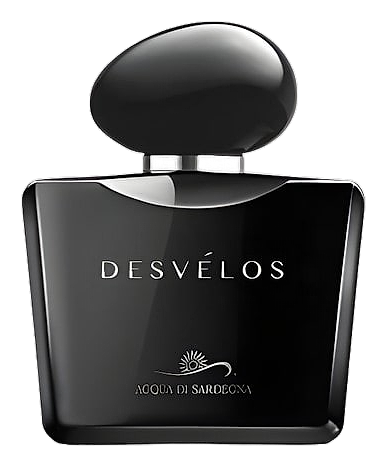
The name says it all. Desvélos means 'secrets' in Sardinian, and this fragrance is Sardinia unmasked. Where other island fragrances lean into salt and citrus, this one finds the interior: the dried herbs on a hillside, the woodsmoke from a farmhouse, the myrtle that grows wild near ancient stone walls. Vetiver, patchouli, amber: the island's deeper truths, held close and revealed slowly.
Costus is the material that makes this worth discussing. It's rare in modern perfumery, associated with a slightly animalic, hairy quality, the smell of warm skin, the hint of civet without the Civet. Acqua di Sardegna didn't play it safe here. The inclusion of costus adds tension, a note that refuses to resolve into something predictable. Combined with myrtle, the plant itself lending its bitter, eucalyptus-like green to the heart, the composition has a grounded, herbal character that counters the sea notes and gives the fragrance real backbone.
The evolution
The opening hits sharp and green. Lavender's aromatic punch, heliotrope's powdery softness. Sea notes fade fast, but they establish the coordinates. Then the hand-off: myrtle arrives with its bitter, eucalyptus-like green. Cedar adds warmth underneath. Costus lingers as a whisper, animalic and mysterious. The drydown is intimate. Vetiver, patchouli, amber. Earthy, smoky, warm. Heliotrope stays in the base, a soft echo of the opening that keeps everything connected. The longevity is about eight hours, the sillage is strong. This one announces itself to anyone standing close, a presence that lingers in the room after you've already moved on.
Cultural impact
Desvélos stands apart in the niche perfume landscape through its bold use of costus, a material that has become increasingly difficult to source and increasingly controversial to use. For enthusiasts, this rarity is precisely the point. The fragrance offers something that mainstream perfumery rarely delivers: a note that feels genuinely unresolved, that resists easy categorization, that demands attention. Costus brings with it a slightly animalic, hairy quality that evokes warm skin and the hint of civet without the actual material. It's a risky choice that pays off, creating a scent experience that feels both timeless and distinctly modern.