The Story
Why it exists.
The beginning
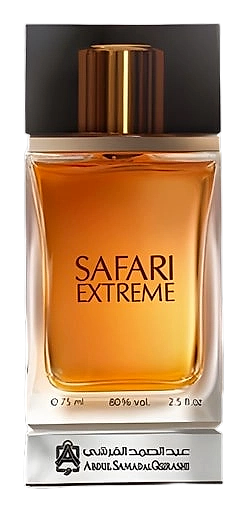
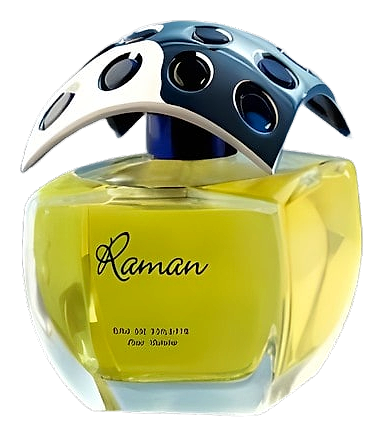
Raman sits inside Abdul Samad Al Qurashi's catalogue of blended masculine compositions, where the house's traditional oud and amber reserves meet Western fragrance architecture. The official description frames it as a sensual woody composition built around amber, concentrated moss, and vetiver, brightened by orange pimento and softened with vanilla. It is not a single-ingredient oud statement. It's a constructed fragrance, layering Arabian raw materials with the structural conventions of European perfumery, balancing dense resinous warmth against a cleaner, more architectural skeleton. The pimento does the unexpected work, carrying a warm-spice flicker that keeps the opening from tipping into pure sweetness, while the vanilla underneath rounds the composition without flattening it.
What separates Raman from the dense cloud of woody masculine orientals is how it balances its heaviness. Orange pimento in the opening brings a warm-spice flicker, not pure pepper, which gives the first spray a lift before the cedarwood and vanilla core settles. The vetiver does the structural work, keeping the composition from collapsing into pure sweetness, while the oud and patchouli in the base stay restrained enough to read as character rather than aggression.
The evolution
The first fifteen minutes are the loudest. Bergamot and orange hit bright and citric, but the pimento is already curling underneath, warming everything up before the heart fully arrives. By the thirty-minute mark, cedarwood and orange blossom have taken the center, and the vanilla shows up not as dessert but as a rounding agent, smoothing the edges of the vetiver. The drydown is where Raman earns its reputation. Amber, oud, and patchouli settle into a low, warm hum that clings to skin for hours. The woody notes don't fade so much as compress, getting closer to the body rather than retreating. Eight to ten hours later, what's left is a quiet moss-amber trace on the inner wrist and collar, the kind of residue that makes you catch your own scent the next morning and wonder when you last reapplied. The answer is: you didn't need to.
Cultural impact
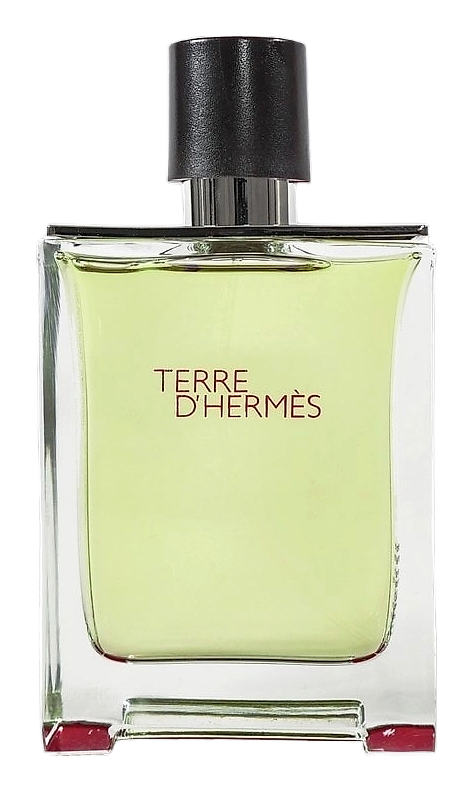
Raman has earned a reputation among wearers as a solid performer with strong projection and a scent profile that reads familiar without being derivative. At least one wearer has drawn a comparison to Terre d'Hermès Parfum, noting the shared vetiver-and-warmth character, though Raman leans noticeably heavier on the oud and amber side. It's not a fragrance people discuss in terms of cultural moments or fashion-week buzz. It's more of a quiet workhorse: the kind of bottle someone reaches for when they want to smell composed and intentional, without overthinking the choice.