    Brand Profile

    Abdul Samad Al Qurashi is a Saudi Arabian fragrance house that specializes in oud, musk, amber and incense. The brand offers a range of pure…More

    Saudi Arabia·Est. 1932·Site

    3

    Fragrances

    4.3

    Rating

    50
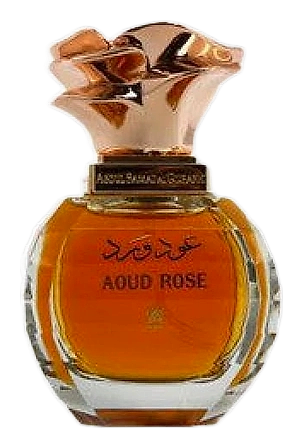
    Oud Rose by Abdul Samad Al Qurashi
    4.7

    Oud Rose

    Nepal Tonkin Musk by Abdul Samad Al Qurashi
    Best Seller
    5.0

    Nepal Tonkin Musk

    Jewel Blend by Abdul Samad Al Qurashi
    Best Seller
    4.9

    Jewel Blend

    Dhen Al Oud Safa by Abdul Samad Al Qurashi
    Best Seller
    4.8

    Dhen Al Oud Safa

    Al Sheikha Fatma Blend by Abdul Samad Al Qurashi
    4.8

    Al Sheikha Fatma Blend

    Al Moulouk Blend by Abdul Samad Al Qurashi
    4.8

    Al Moulouk Blend

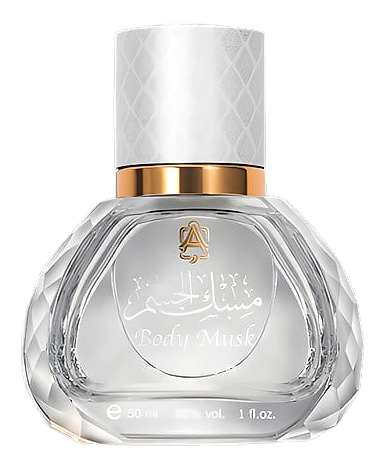
    White Body Musk by Abdul Samad Al Qurashi
    4.8

    White Body Musk

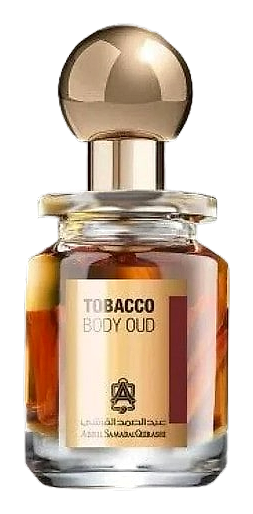
    Tobacco Body Oud by Abdul Samad Al Qurashi
    4.8

    Tobacco Body Oud

    Antique Aged Aoud by Abdul Samad Al Qurashi
    4.8

    Antique Aged Aoud

    The Heritage Blend by Abdul Samad Al Qurashi
    4.8

    The Heritage Blend

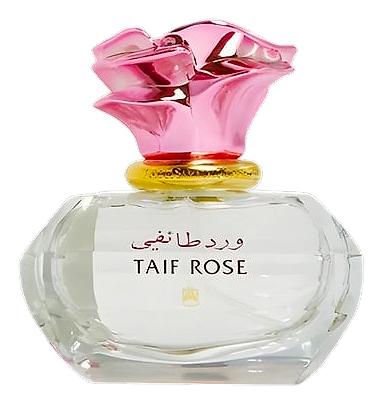
    Taif Rose by Abdul Samad Al Qurashi
    4.8

    Taif Rose

    Royal Blend by Abdul Samad Al Qurashi
    4.8

    Royal Blend

    1 of 5

    The Heritage

    The Story of Abdul Samad Al Qurashi

    Abdul Samad Al Qurashi is a Saudi Arabian fragrance house that specializes in oud, musk, amber and incense. The brand offers a range of pure essential oils, blended perfumes and traditional incense sticks that draw on centuries‑old Arabian aromatic practices. Its catalogue includes iconic blends such as Nepal Tonkin Musk, Dhen Al Oud Safa and The Heritage Blend, each crafted to highlight the depth of natural ingredients. The house serves collectors, interior designers and anyone who values a scent that carries a story of the Arabian Peninsula.

    Heritage

    The roots of Abdul Samad Al Qurashi trace back to 1852, when the Qurashi family began trading aromatic resins and spices across the Arabian Gulf. In 1932 the family opened the first shop under the Abdul Samad Al Qurashi name in Jeddah, marking the formal start of the perfume house. Early records show the shop supplied raw oud chips to local artisans and exported small quantities to neighboring Gulf states. By the 1970s the brand had established a reputation for high‑purity oud, prompting its first shipments to Europe and North Africa. The 1990s saw the launch of the first blended perfume lines, combining traditional oud with Western fragrance structures, a move documented in trade journals of the period. In 2005 the company opened a flagship boutique in Riyadh, featuring a dedicated oud library where customers could sample over 200 varieties of agarwood. International expansion accelerated in 2015 with a boutique in London’s Mayfair, followed by stores in Dubai and Doha. Throughout its history the house has maintained family ownership, with Mohammed Abdul Samad Al Qurashi currently serving as CEO, a role he inherited from his father in 2010. The brand’s longevity is anchored in a commitment to preserving the raw materials and techniques that defined Arabian perfumery in the 19th century.

    Craftsmanship

    The production process at Abdul Samad Al Qurashi begins with the selection of raw agarwood, sandalwood, musk and amber from verified farms and wild harvests. The company maintains a private reserve of agarwood trees in the Dhofar region of Oman, where mature trunks are harvested after a minimum of 15 years of growth. Once harvested, the wood is air‑dried for several months to develop its aromatic profile before undergoing a cold‑press extraction that preserves volatile compounds. For blended perfumes, master perfumers (often trained in France or Italy) combine these extracts with locally sourced floral absolutes, such as Taif rose, in ratios that are documented in the house's proprietary formula ledger. Quality control includes gas‑chromatography analysis of each batch to verify purity and concentration levels. The final products are bottled in hand‑blown glass, sealed with wax that contains a trace of the same oud used in the fragrance, creating a continuous scent thread from the bottle to the wearer. Incense sticks are crafted by mixing powdered natural oils with a charcoal base, then extruded and dried to achieve a burn time of up to 45 minutes without synthetic additives.

    Design Language

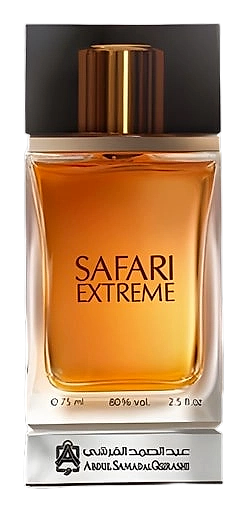
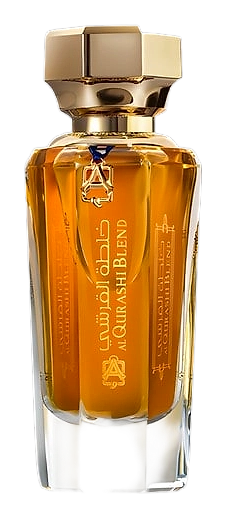
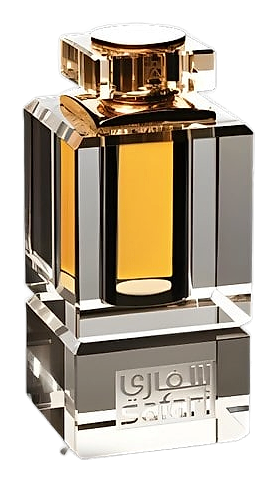
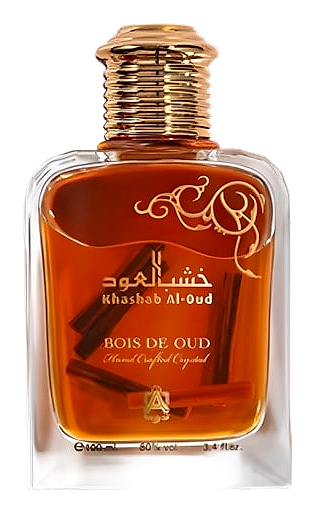
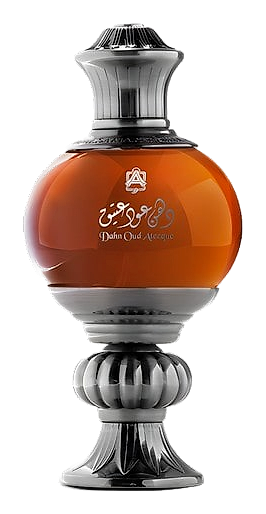
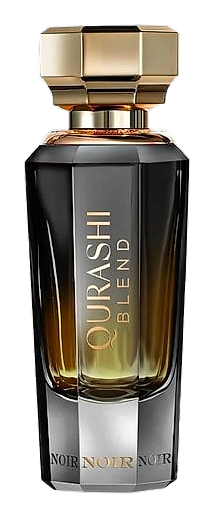
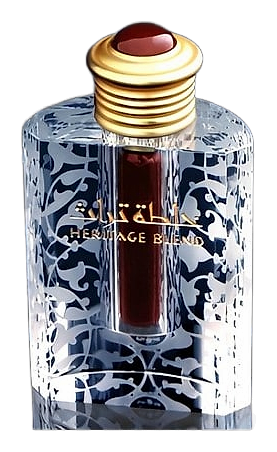
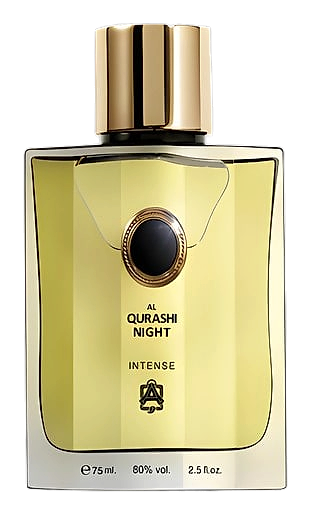
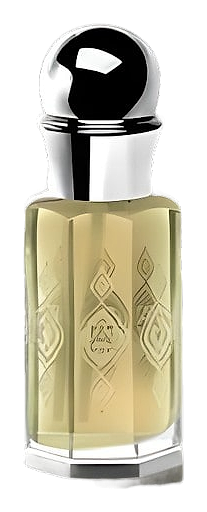
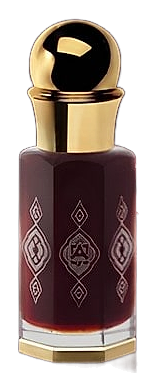
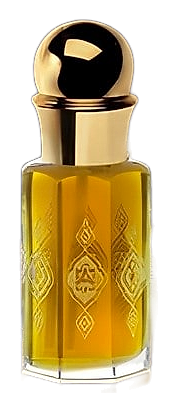
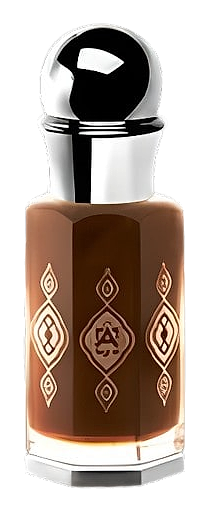
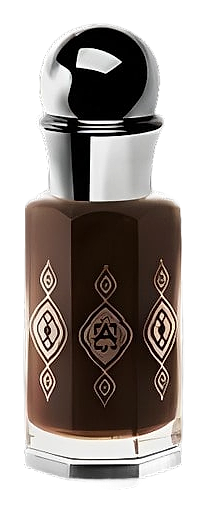
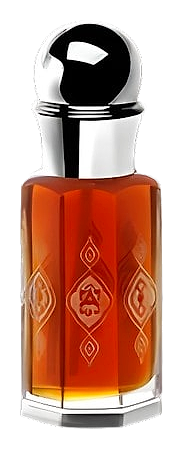
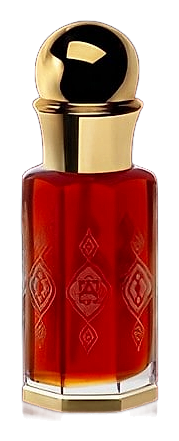
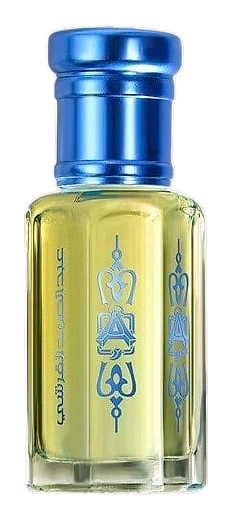
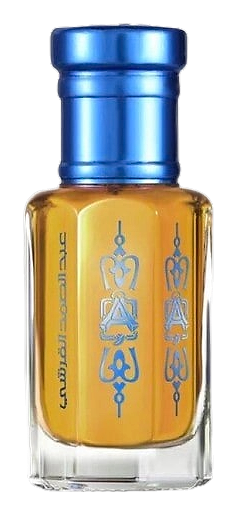
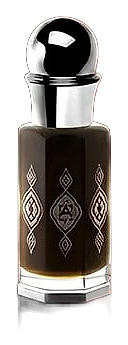
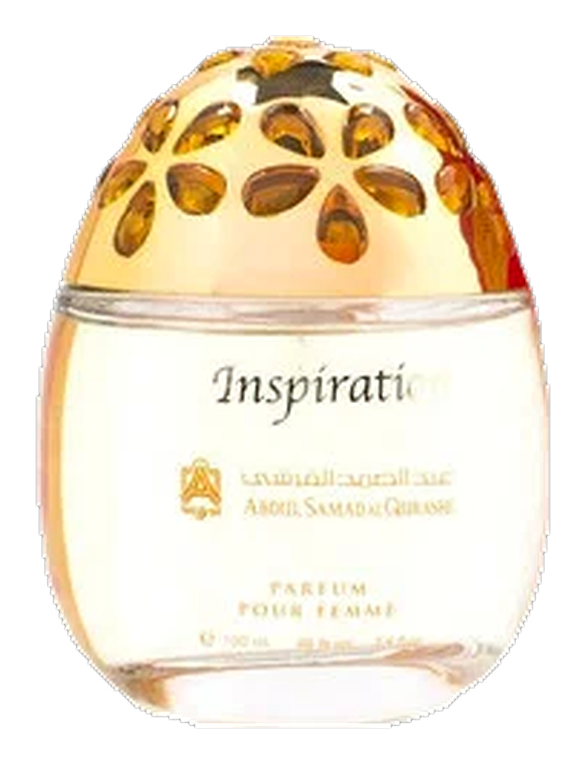
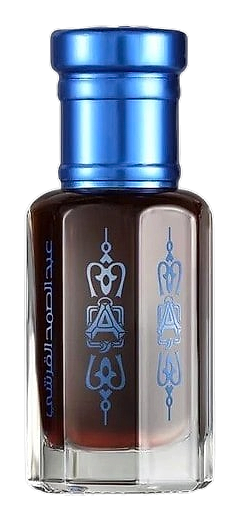
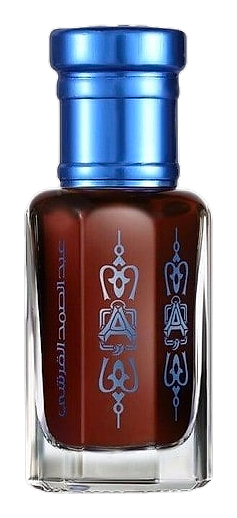
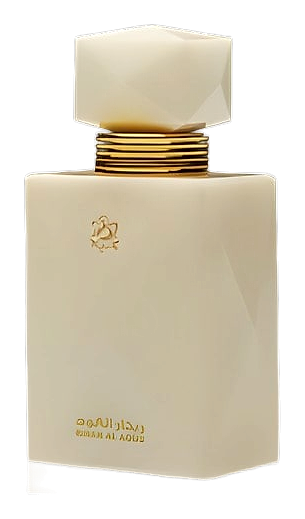
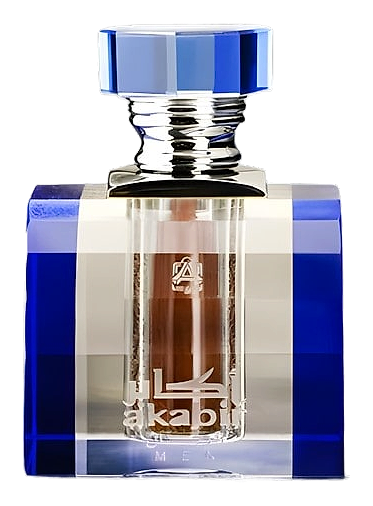
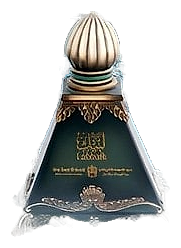
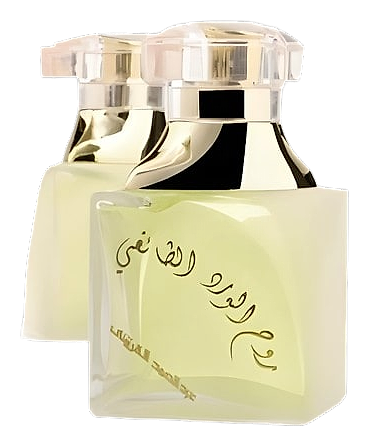
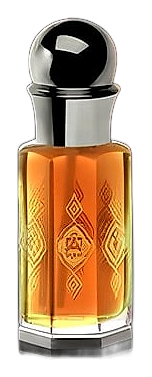
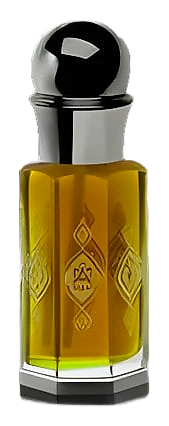
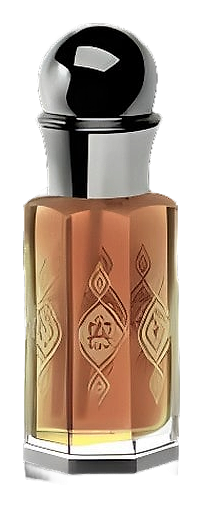
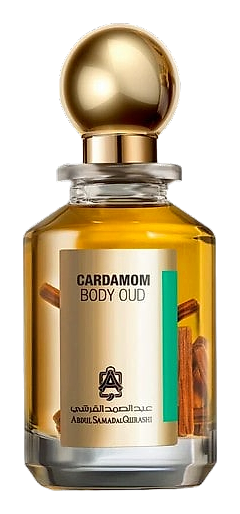
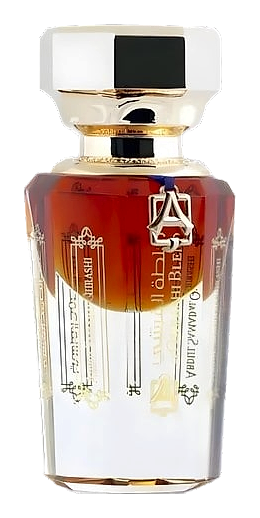
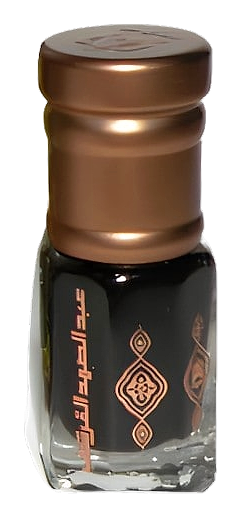
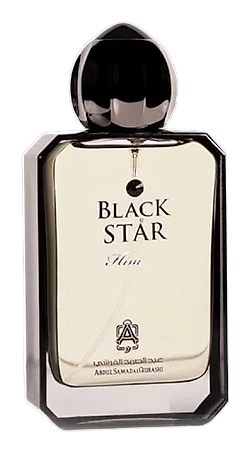
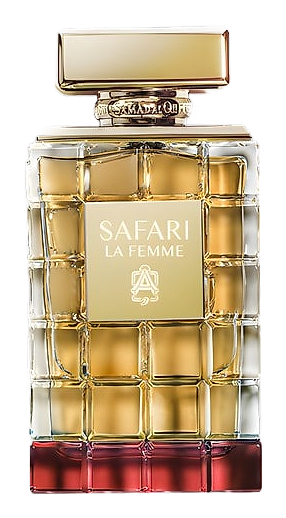
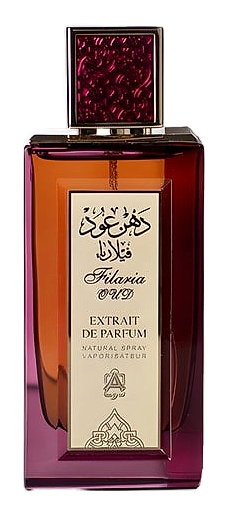
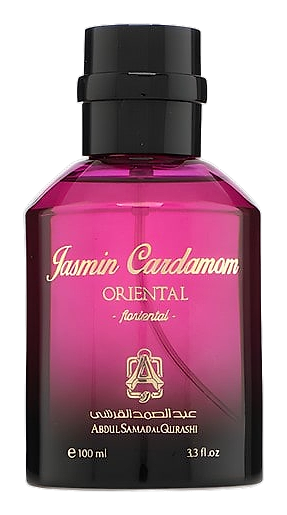
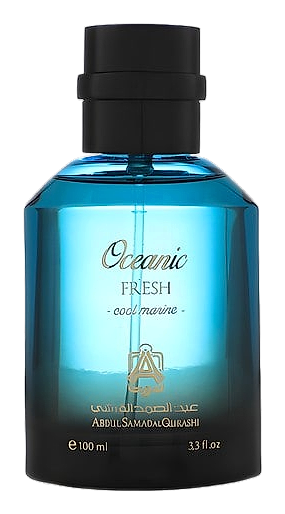
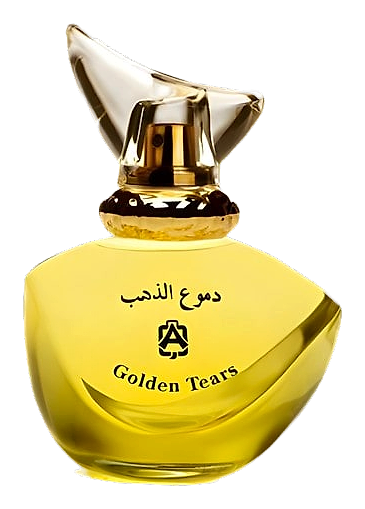
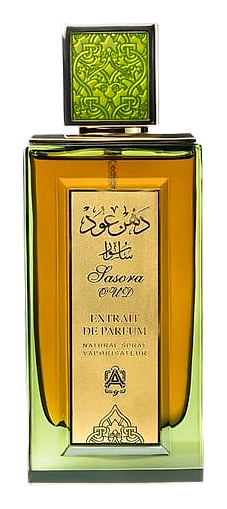
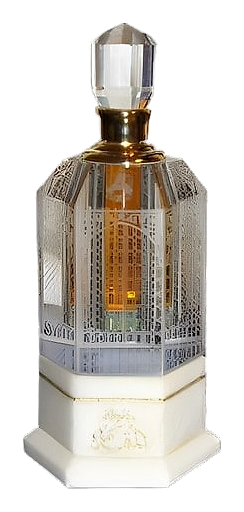
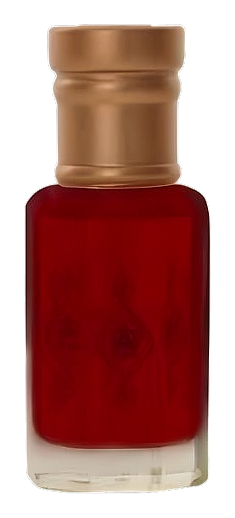
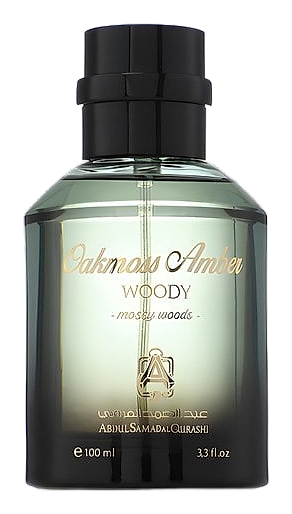
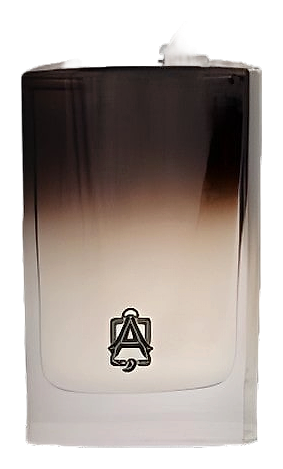
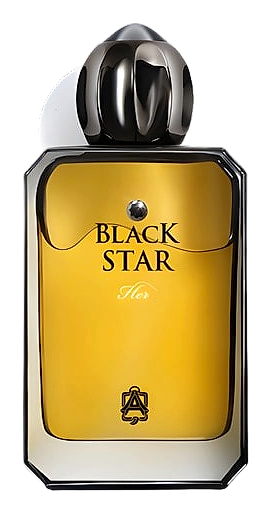
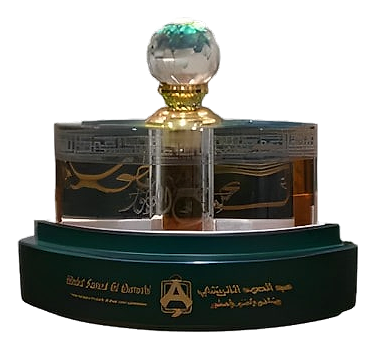
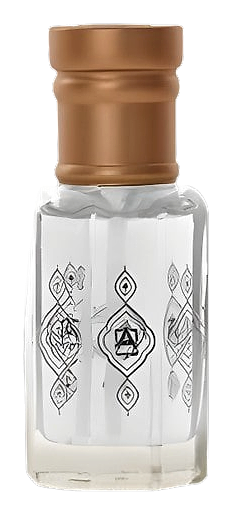
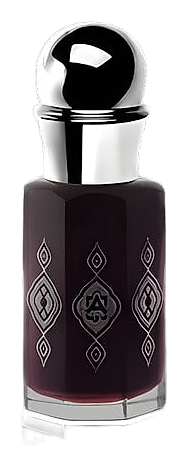
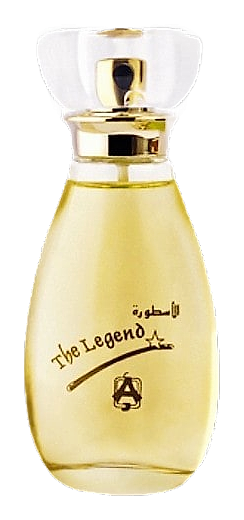
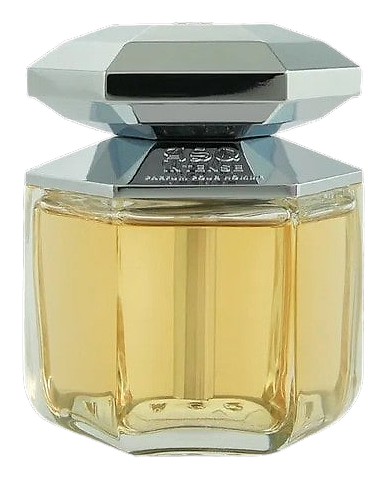
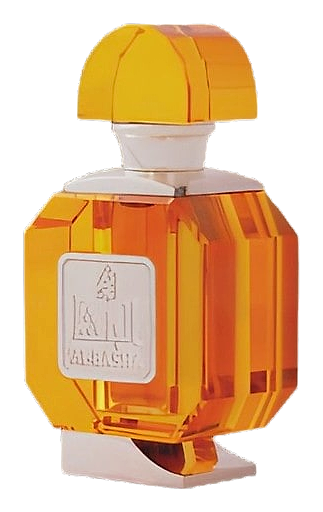
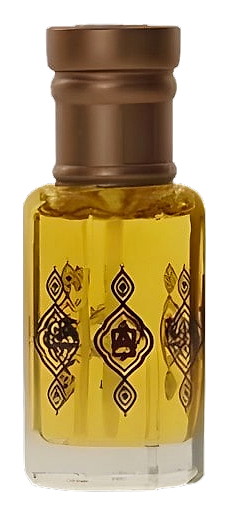
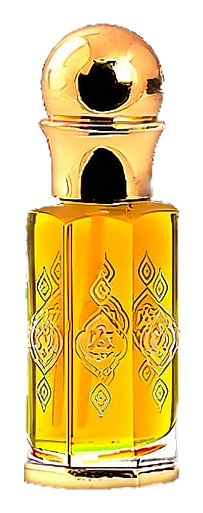
    Visually, Abdul Samad Al Qurashi leans on a restrained palette of deep amber, sable black and polished gold. Bottle silhouettes are often cylindrical or rectangular, echoing the shape of traditional perfume flasks used in the Gulf. Arabic calligraphy appears on caps and labels, usually rendered in a modern sans‑serif style that balances heritage with contemporary minimalism. The brand’s retail spaces feature carved wooden panels, woven textiles and soft lighting that evoke a souk atmosphere while maintaining a clean, upscale feel. Packaging for limited editions incorporates hand‑stitched leather wraps and brass clasps, underscoring the tactile connection to the material culture of perfume making. The overall visual identity aims to communicate authenticity and the quiet confidence of a house that has been curating scent for more than a century.

    Philosophy

    Abdul Samad Al Qurashi frames its creative vision around the principle of "heritage through scent." The house believes that a fragrance should act as a bridge between past and present, allowing the wearer to experience the geography and culture of the source material. Sustainability guides ingredient selection; the company works directly with growers in Oman, India and Malaysia to ensure that agarwood is harvested responsibly. Transparency is another core value: each product label lists the origin of its key notes, and the brand publishes annual reports on its sourcing practices. Rather than chasing fleeting trends, the house focuses on timeless olfactory structures that respect the natural character of the raw material. Collaboration with artisans, such as calligraphers for packaging design, reflects a broader commitment to supporting traditional crafts alongside modern perfumery.

    Key Milestones

    1852

    Qurashi family begins trade in aromatic resins and spices across the Arabian Gulf.

    1932

    First Abdul Samad Al Qurashi shop opens in Jeddah, marking the formal establishment of the perfume house.

    1970

    Company starts exporting raw oud to Europe, gaining early international recognition.

    1990

    Launch of the first blended perfume line, integrating traditional oud with Western fragrance structures.

    2005

    Flagship boutique opens in Riyadh, featuring an oud library with over 200 varieties.

    2015

    First overseas boutique opens in London’s Mayfair, expanding the brand’s global footprint.

    At a Glance

    Brand profile snapshot

    Origin

    Saudi Arabia

    Founded

    1932

    Heritage

    94

    Years active

    Collection

    3

    Fragrances released

    Avg Rating

    4.3

    Community sentiment

    Release Rhythm

    2024
    2
    2021
    1
    2019
    2
    2014
    1
    abdulsamadalqurashi.com

    Did You Know?

    Interesting Facts

    Distinctive details and defining moments that shape the house personality.

    01

    The house maintains a private agarwood forest in Dhofar, Oman, allowing direct control over the quality and sustainability of its oud supply.

    02

    Abdul Samad Al Qurashi operates a museum in Jeddah that showcases historic perfume bottles, ancient distillation equipment and archival trade documents dating back to the 19th century.

    03

    Its incense sticks are formulated with more than 30 natural essential oils, a complexity rarely found in mass‑produced incense.

    04

    The brand’s oud library categorizes each wood by region, age, and resin content, enabling perfumers to select precise scent profiles for bespoke creations.