
The Story
Why it exists.
The beginning
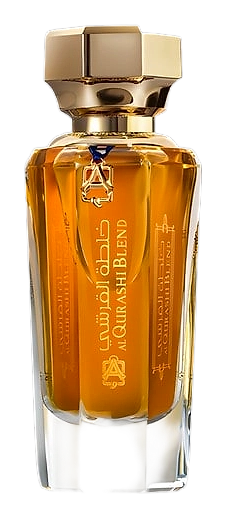
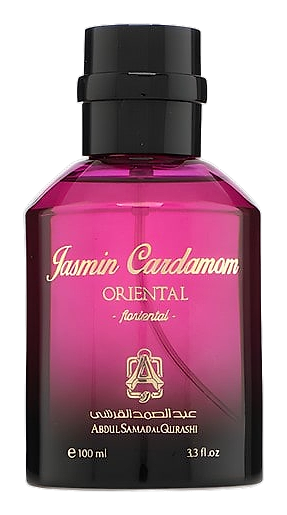
Jasmin Cardamom arrived in 2019 from Abdul Samad Al Qurashi, the Saudi house that built its name on oud and musk before expanding into compositions that speak to both Eastern and Western sensibilities. The name says exactly what the fragrance delivers: jasmine and cardamom as equal partners, not a jasmine scent with cardamom in passing. The house frames jasmine as ceremony, night-blooming, gathered before sunrise, a material that carries weight in Arabian aromatic tradition. Cardamom brings warmth to that tradition, its spice grounding the floral's natural tendency toward the delicate. The result is a bridge between heritage and something a bit more forward.
What makes this composition unusual is how the cardamom doesn't sit at the edges waiting for the florals to fade. It threads through from the first spray, keeping the jasmine honest. The coffee in the opening isn't the roasted, bitter kind, it's a softer version that adds texture rather than urgency. The base leans heavily into sweet and powdery territory: vanilla, tonka, cashmere wood, praline. Cacao shows up quietly, more hint than statement. For a house built on oud and resin, this is a softer, more approachable interpretation of Arabian florals.
The evolution
The opening arrives fast, bergamot and lemon hit first, then coffee settles into the picture within seconds. The almond adds a faint nuttiness that softens the citrus without competing. By the 15-minute mark, jasmine sambac has taken over, dragging orange blossom and Bulgarian rose with it. The cardamom is present throughout, never dominant, always warming. The drydown is where this fragrance earns its reputation: vanilla and musk build slowly, the cashmere wood adds a quiet creaminess, and the patchouli and cedar ground everything without pulling it toward earthiness. The sillage is moderate, intimate, not announcement. What lingers on fabric the next morning is soft amber and a ghost of jasmine.
Cultural impact
Jasmin Cardamom arrived in 2019 as part of a broader shift in Arabian perfumery toward blended oriental florals that appeal to international audiences while retaining regional identity. Abdul Samad Al Qurashi, a house rooted in oud and traditional musk formulations, used this release to bridge heritage ingredients with more accessible floral-woody structures. The jasmine-cardamom pairing draws from two distinct traditions: jasmine's prominence in Middle Eastern attars and cardamom's role in both Gulf cuisine and Ayurvedic fragrance practices. This cultural hybridity reflects a growing trend in niche perfumery where ingredients from different continents combine to create globally resonant scents.