The Story
Why it exists.
The beginning
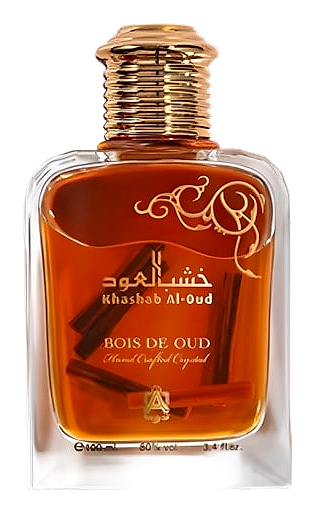
Khashab Al-Oud translates roughly to 'wood of oud', and that simplicity is the point. Abdul Samad Al Qurashi has built its name on agarwood since the family first opened shop in Jeddah in 1932, trading raw oud chips to local artisans before the blend lines ever existed. This fragrance is a return to that origin: taking the house's core material and letting it speak without decoration. The aromatic opening and musky brightness aren't there to soften the oud, they're there to give it structure, a frame around which the sandalwood and leather can do their work.
What makes this composition work is the way the sweetness arrives from inside, not on top. The amber doesn't sit on the surface like a glaze, it threads through the oud, keeping it grounded and warm rather than sharp and medicinal. Leather as a heart note is unusual in this category; most oud fragrances use it only in the base, if at all. Here it shows up early, giving the heart a dry, almost suede-like quality that prevents the composition from becoming cloying. The patchouli in the base does what patchouli does best: adds a quiet earthiness that makes the oud feel earned rather than imposed.
The evolution
The opening hits in two directions at once. The aromatic notes give a brief green, almost herbal lift, rosemary, something vaguely camphorated, and the musk adds a skin-like warmth underneath. This phase lasts about thirty minutes before the sandalwood takes over. The handoff is smooth but noticeable: the green fades, the musk stays, and the sandalwood arrives like sun through a window. From there the leather emerges, dry and slightly warm, carrying the heart for the next three to four hours. It's not a loud phase. The sillage is moderate, present in a room, not announcing from across it. Then the oud arrives. Not all at once. It builds from the base upward, carrying the amber and patchouli with it, until the whole composition reads as one thing: warm, resinous, and close to the skin. On fabric, this fragrance performs differently, the oud deepens, the smoke reads clearer, and the drydown can stretch past eight hours. On skin, expect six to eight, with the final hour being a quiet amber-and-oud whisper that you only notice when you move your wrist close.
Cultural impact
Khashab Al-Oud sits at an interesting intersection: it's rooted in the house's traditional oud expertise, but the addition of leather and aromatic structure gives it enough Western sensibility to work for a broader audience. For wearers who find pure oud overwhelming, this version offers a way in without surrendering authenticity. The house's emphasis on transparency, origin labels, sourcing reports, has resonated with a growing segment of fragrance buyers who care about where their materials come from, not just how they smell.