Abdul Samad Al Qurashi
Abdul Samad Al Qurashi founded his first perfumery in 1932, building on a legacy that traces its roots to 1852 in the holy city of Makkah. Born into a culture where fragrance carried spiritual as much as sensory weight, he positioned his work at the intersection of Arabian tradition and artisanal refinement. Rather than apprenticing under another master, he learned from the incense-laden air of Makkah's markets, studying the raw oud and attars that pilgrims brought from across the East. His breakthrough came when he began bottling and formalizing private blend traditions that had previously circulated only in powder and oil form. Sons joined the venture and each developed his own signature scent, creating an internal family tradition of creative competition that sharpened the brand's collective nose. Today, Abdul Samad Al Qurashi remains one of the few fragrance houses founded by the family that still bears the founder's full name, with operations rooted in the same city where it all began.
The hits
Notable creations
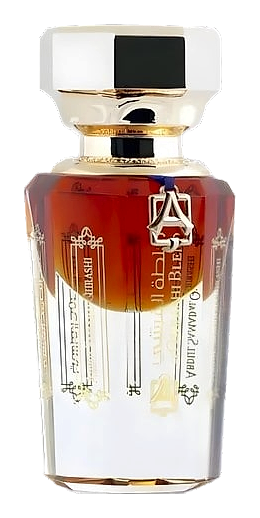
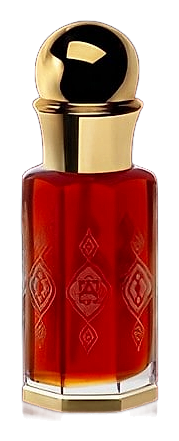
The signature
How Abdul composes
The house style leans heavily on oud as both foundation and statement. Al Qurashi perfumes typically layer pure oud with creamier sandalwood, anchoring the composition with white musk that gives longevity without aggression. Heart notes favor warm amber and rose, which soften the woods without diluting them. The house introduced the concept of body ouds designed for direct skin application, a format that allows heavier concentration than traditional EDP structures. Italian lemon appears in lighter offerings as a bridging note, but the signature language remains resinous, warm, and unapologetically bold.
Philosophy
What drives Abdul
Al Qurashi treats fragrance as a form of devotion. The proximity to the Masjid al-Haram informs a philosophy where scent is not mere luxury but an act of beautification, in the Quranic sense. He sources materials with the conviction that provenance determines character, favoring the deep, resinous woods that define Arabian perfumery. The brand resists the notion that its scents need translation for Western audiences, choosing instead to deepen what its core markets already love. Every formulation passes through family hands before release, a quality control ritual that keeps the founder's standards intact across generations.
The houses
Maisons Abdul composes for
In the same league