The Story
Why it exists.
The beginning
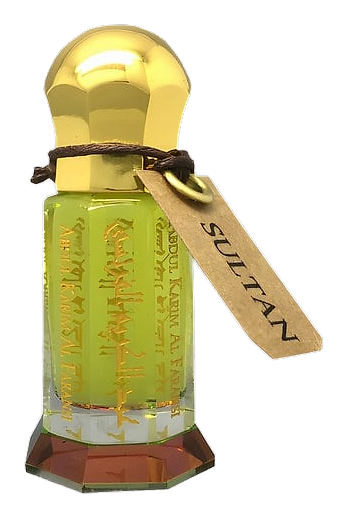
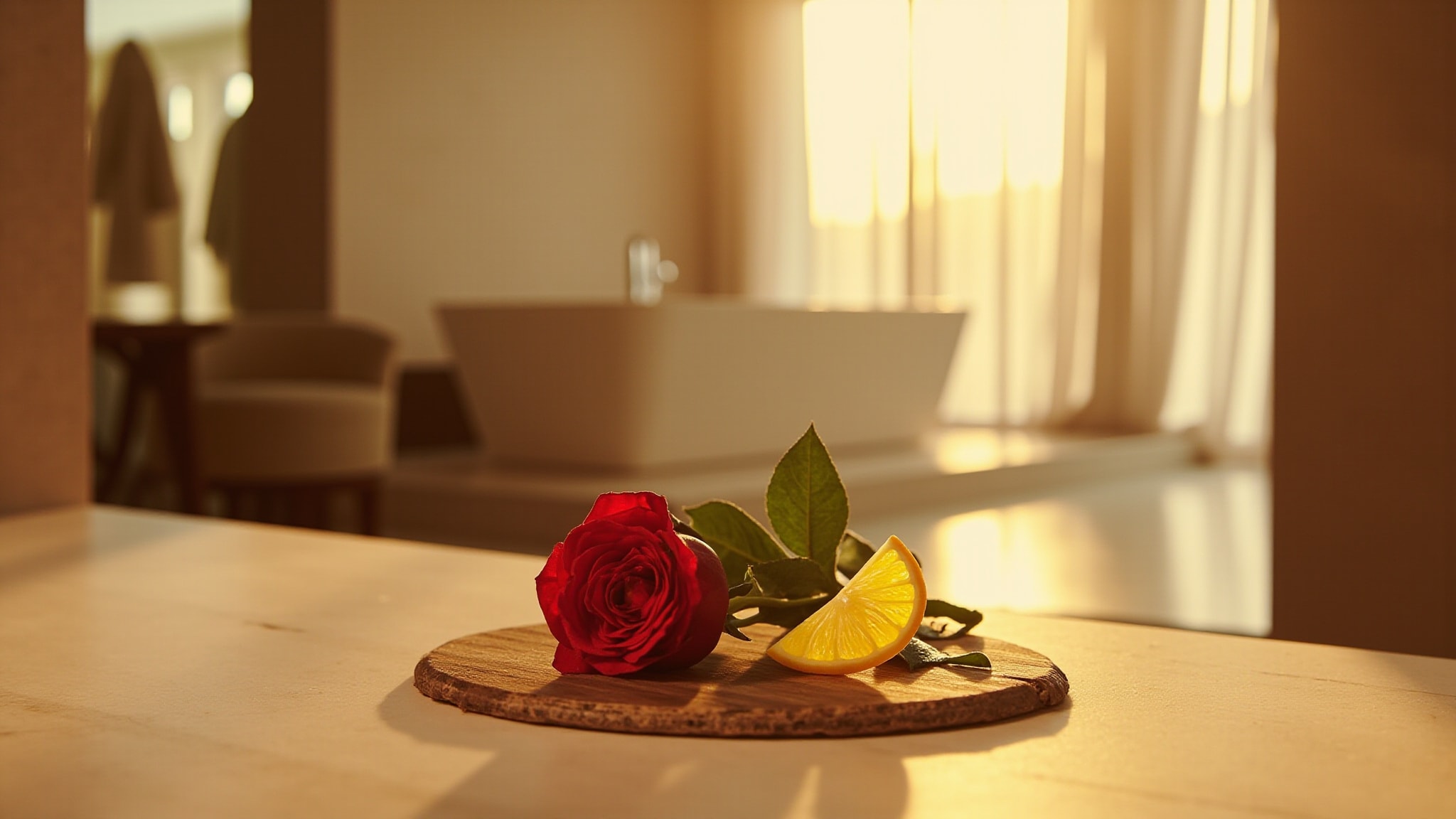
Sultan arrived in 2014, the work of perfumer Anthony Abdul Karim Marmin. The fragrance takes its name from a title that signals authority without volume. The composition Marmin built around that idea is deliberate in its restraint. Lemon and fresh florals open the door. Rose commands the center. Sandalwood holds the seat of power, unhurried and sure. This is a lighter register that proves the range of a perfumer capable of working with a concise palette. It reads as a study in what happens when a rose is allowed to be itself, without being buried in heavier materials. The opening is bright and clean, with lemon lending a fine edge to the fresh floral notes. As that initial lift settles, rose becomes the focus, appearing clear and direct rather than ornate.
What makes Sultan interesting is what it leaves out. The composition strips its palette back to three movements: a citrus-fresh opening, a single rose at the heart, and sandalwood as the only base. The result is a fragrance that wears like a sketch instead of a painting, but a precise one. The rose here is pronounced but never overwrought. Its petals feel explicit on first impression, then gradually settle into a smoother floral presence. Sandalwood warms the composition without burying the rose, adding a creamy, polished quality as the opening gives way to the heart.
The evolution
Sultan opens with lemon and a wash of fresh floral notes, the kind of bright, almost green energy that makes the first impression feel immediate and open. The lemon is sharp, a little zesty, but it doesn't hang around to dominate. It gives the opening a clean lift before beginning to soften into the floral notes beneath it. As the citrus recedes, the rose begins to surface, and the composition shifts from fresh to floral. This is the central character of the fragrance: pronounced and clear, with a warm base building underneath. The rose doesn't need additional materials to become more expressive. Its presence is defined by its own texture, moving from the bright edge of the opening into a fuller, rounder floral impression. As the hours pass, sandalwood takes over. It rises slowly, giving the rose a creamier, more grounded quality without ever making the composition feel heavy.
Cultural impact
Sultan occupies an unusual position in the Abdul Karim Al Faransi lineup. Rather than relying on dense layers, it presents a lighter composition built around a rose-and-sandalwood backbone. The contrast gives the fragrance a distinctive place within the house's broader language of oud, musk, and rare botanicals. Its rose is pronounced, but the composition keeps the floral note clean and direct, allowing it to remain the central point of attention. Sandalwood gives the heart warmth and continuity without overwhelming it, while lemon and fresh floral notes provide a bright opening that keeps the overall impression balanced.
The House
Abdul Karim Al FaransiAbdul Karim Al Faransi is a niche perfume house that blends traditional Arabian ingredients with contemporary olfactory structures. Since its launch in 2013, the brand has offered oil‑based and eau de parfum formats that highlight oud, musk, and rare botanicals. Signature releases such as Musc Blanc (2017) and Caribbean Musk (2014) illustrate the house’s commitment to aromatic depth and regional authenticity, while newer offerings like Mombasa (2018) expand the geographic narrative. The line appeals to collectors who value precise composition over mass‑market trends.
The Creator
Anthony Abdul Karim MarminMarmin’s signature technique centers on the art of mukhallat, where he layers multiple pure oils to achieve depth without relying on synthetic shortcuts. He favors ingredients that age gracefully—raw musk, amber, sandalwood, and rare oud woods—allowing the fragrance to evolve…