The Story
Why it exists.
The beginning
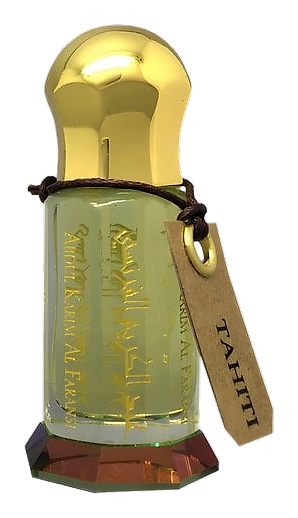
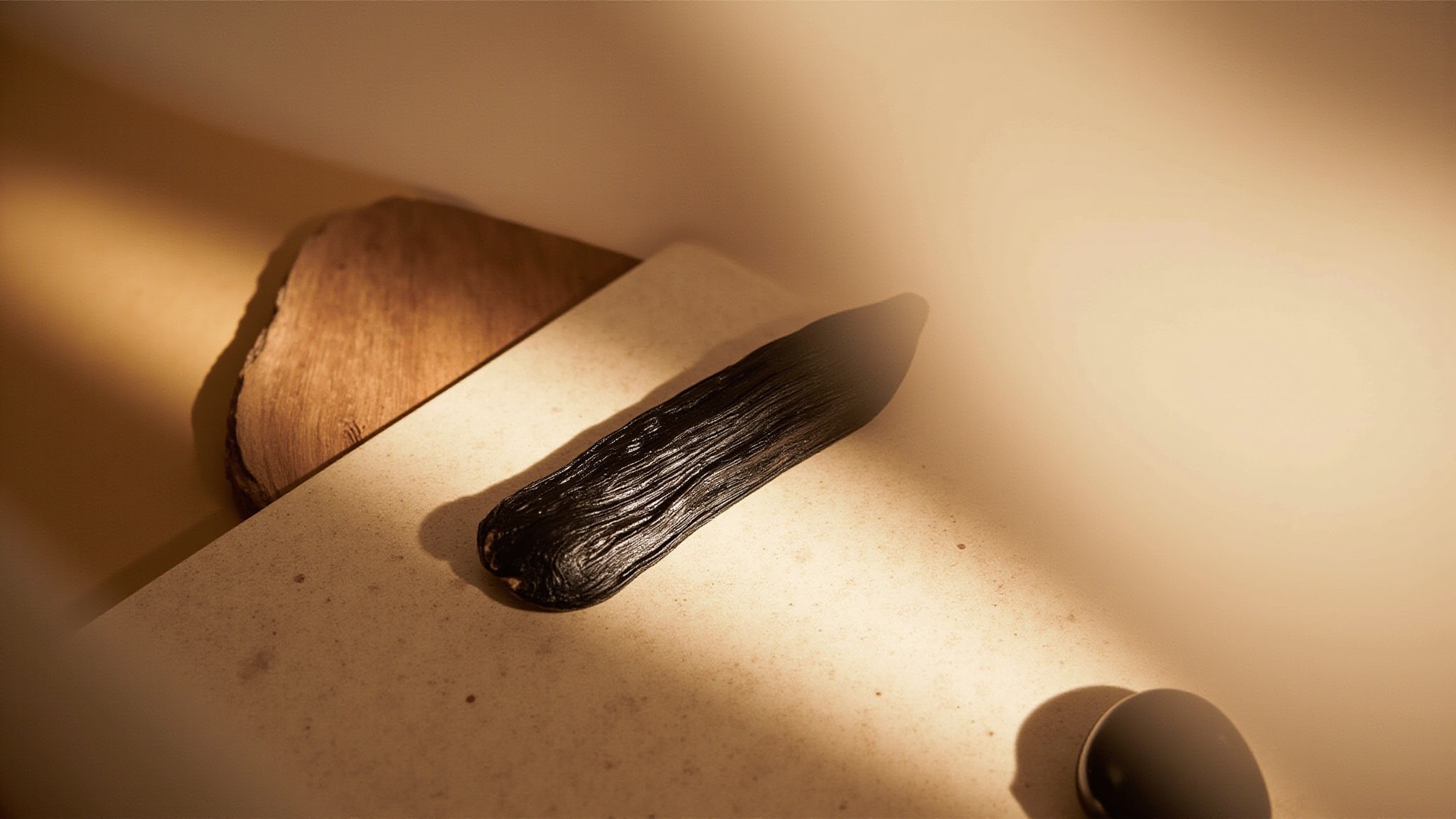
Tahiti takes its name from the island itself, volcanic peaks, black sand beaches, and gardens that blur the line between lush and untamed. Anthony Abdul Karim Marmin built this fragrance around the tension between that island fantasy and something more grounded. Cotton flower and Tahitian vanilla don't just nod to tropical sweetness. They hold it. The coconut amplifies. The white musk softens. The sandalwood and Indian oud anchor everything in warmth that doesn't fade when the sun goes down.
What makes this composition unusual is the cotton flower. Rare in perfumery, it adds a clean, slightly powdery sweetness that keeps the vanilla and coconut from tipping into pure dessert territory. The Indian oud doesn't announce itself, it deepens. Settles. Becomes the warmth you notice hours later on warm skin. White musk bridges the sweet opening and the woody base, creating that characteristic powdery trail the brand is known for. The lactonic quality, the smell of warm skin after sun, of tropics distilled, is what separates this from a standard vanilla fragrance.
The evolution
The opening arrives soft. Cotton flower and Tahitian vanilla create a sweet, slightly powdery warmth that doesn't demand attention. Within minutes, the coconut emerges, creamy, edible, like sunscreen mixed with vanilla ice cream. The white musk keeps everything clean, airy. By the second hour, the heart settles into a lactonic warmth that some call beach skin, others call close warmth. The drydown is where the Indian oud and sandalwood take over. Not loudly. Quietly. The sandalwood adds creaminess, the oud adds depth, a woody warmth that outlasts everything else. On fabric, this lasts through a full workday. On skin, expect 6-8 hours of close, intimate presence that someone notices when you're already gone.
Cultural impact
Tahiti occupies a specific niche within the house's catalog, a warm, sweet, and openly tropical fragrance that stands apart from the brand's more austere oud-forward compositions. The 2014 release found an audience among those seeking an entry point into Arabian perfumery that didn't require abandoning a preference for sweetness. Its discontinuation has made it a collector's item for enthusiasts of the house.