Asian Sandalwood
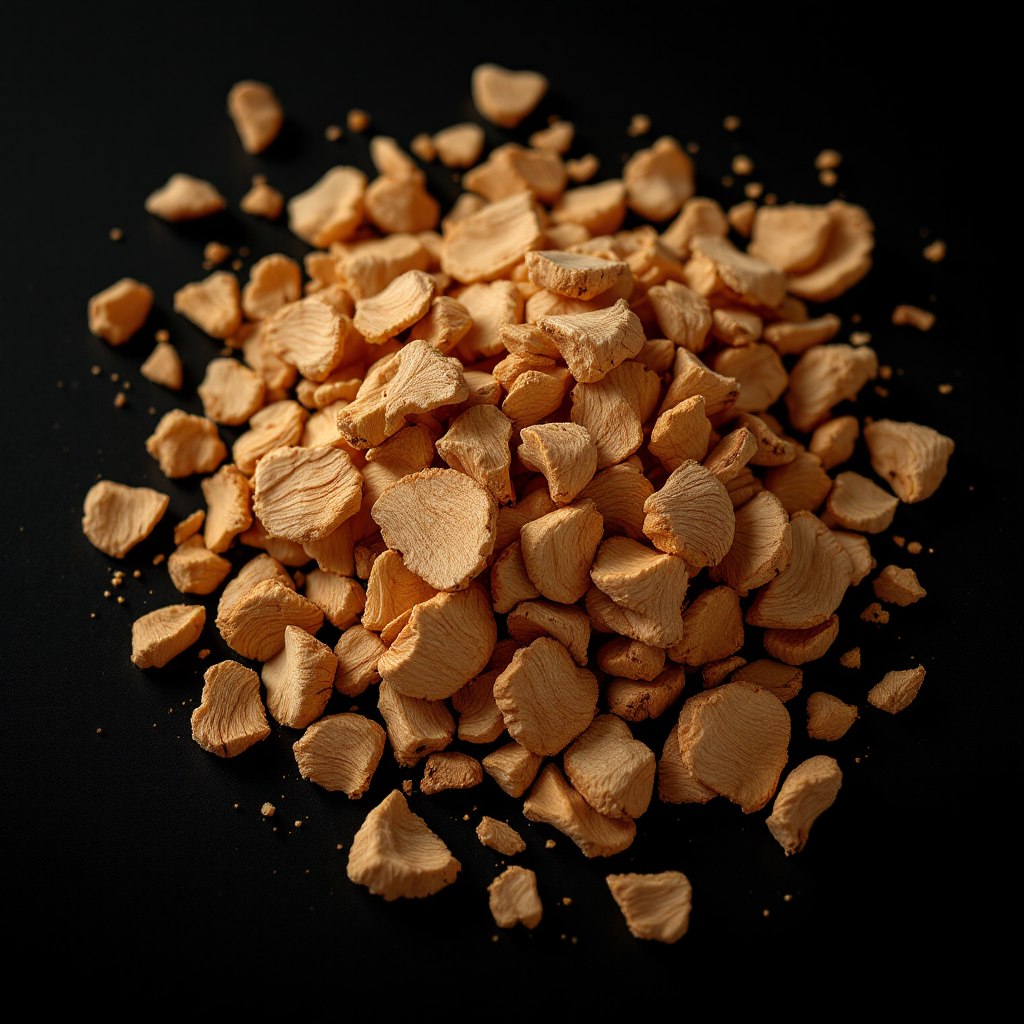
Creamy, warm, and softly resinous. Asian sandalwood has anchored perfumery for 4000 years, its velvety wood grounding everything from sacred temple incense to modern fine fragrance.
Character
How it smells
The enduring soul of perfumery.
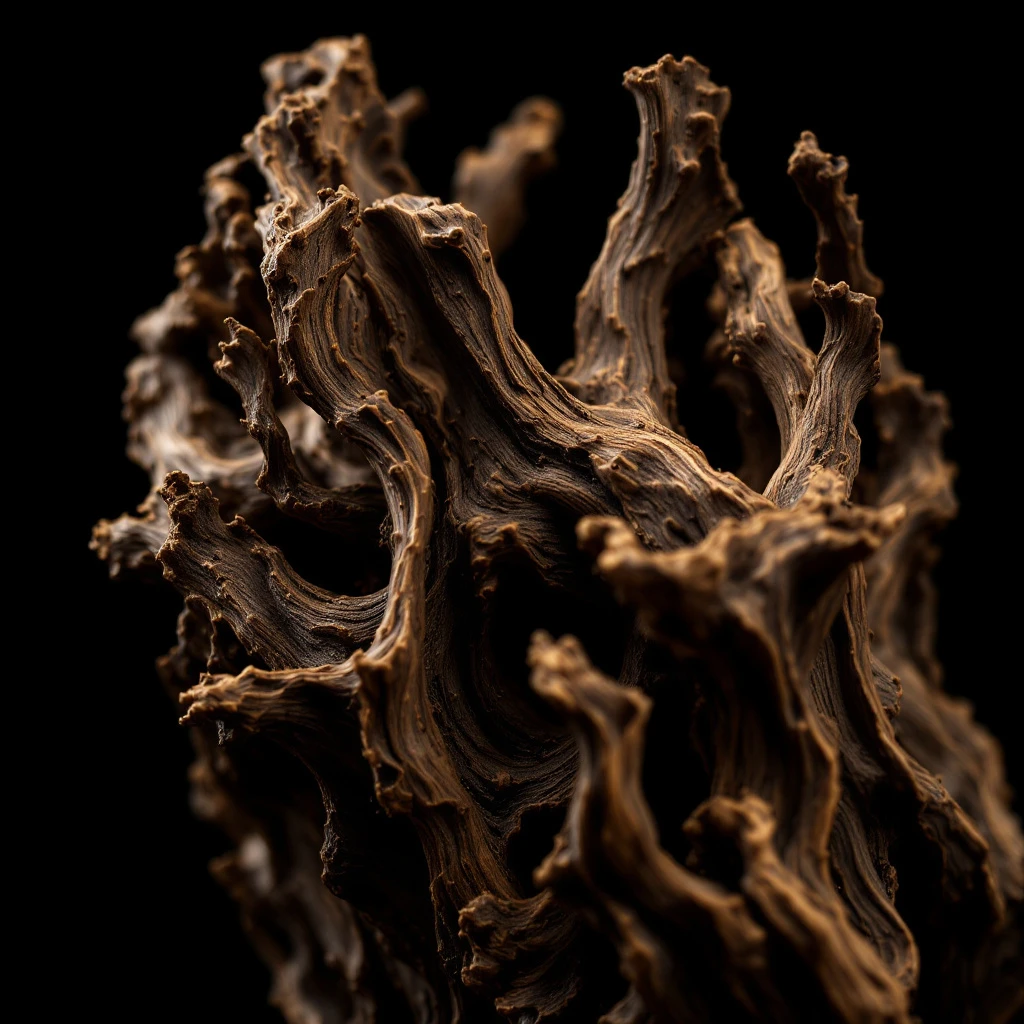
Santalum album trees must grow 30 to 40 years before their heartwood produces enough aromatic oil for harvest.
Pairs beautifully with


Origin
India
Sandalwood use in Asia predates written records. Indian texts from 700 BC already describe its perfume qualities, and archaeological evidence from around 2500 BCE shows Indian priests using sandalwood paste in temple rituals. Men and women in ancient India adorned themselves with sandalwood during ceremonies, a practice that continues today across South and Southeast Asia.
Japanese religious traditions adopted sandalwood for incense and meditation. Buddhist practitioners across the continent have burned it for centuries during prayer. These ancient applications established sandalwood as sacred long before European perfumery discovered it.
When Western traders encountered sandalwood in Asian markets, they carried it back to Europe, where it became a base note fixture in fine fragrance. The ingredient shaped global trade routes, with demand so intense that wild populations in India collapsed, prompting the 2010 harvesting ban. Sandalwood earned its place as a perfumery cornerstone through four millennia of continuous use, not through marketing but through genuine olfactory excellence.
Wears it best
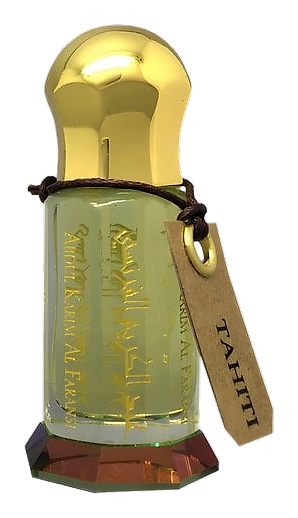
Fragrances featuring Asian Sandalwood
Brands
Brands known for Asian Sandalwood
Good to know
Questions, answered
The essentials on Asian Sandalwood in perfumery: how it smells, where it comes from, and how it behaves on skin.
What makes Asian sandalwood distinct from other sandalwood varieties?
Asian sandalwood, primarily Santalum album from India and Indonesia, contains high levels of alpha-santalol, which delivers its characteristic creamy, milky warmth. Australian Santalum spicatum tends toward a drier, more peppery profile. The Asian variety remains the industry benchmark for richness and longevity.
Why has sandalwood been used in religious and cultural ceremonies for millennia?
Asian sandalwood burns cleanly and produces a sweet, calming aroma ideal for meditation and prayer. Indian traditions dating to 2500 BCE used it during cremations, temple rituals, and daily worship. Its perceived purifying properties made it indispensable across Buddhist, Hindu, and Shinto practices throughout Asia.
How has the 2010 Indian sandalwood ban affected global supply?
India banned commercial sandalwood harvesting in 2010 due to overharvesting of wild populations. Indonesia tightened regulations shortly after. This shifted commercial production to managed plantations in Australia and controlled Indonesian operations, increasing prices significantly while pushing sustainability standards higher.
What gives sandalwood its high market value?
Santalum album trees require 30 to 40 years to develop sufficient heartwood oil content. Combined with slow growth, limited geographic range, and increasing regulation, supply cannot easily meet demand. Genuine steam-distilled sandalwood oil consistently commands premium pricing in the fragrance market.
How can I identify high-quality sandalwood oil?
Quality sandalwood oil is pale yellow to amber with a creamy, slightly milky aroma and persistent drydown. It should feel warm and velvety, not sharp or camphoraceous. High alpha-santalol content (ideally above 40%) indicates genuine Santalum album. Avoid oils with harsh, medicinal top notes that suggest adulteration.
Are synthetic sandalwood alternatives comparable to natural oil?
Synthetics like Sandalore and Bacdanol reproduce certain sandalwood aroma molecules, particularly the creamy woody effect. However, natural sandalwood contains hundreds of compounds that create its full-bodied, lingering character. Professional perfumers typically reserve synthetics for cost reduction and reserve natural oil for premium formulations.
Which fragrance families pair well with sandalwood?
Sandalwood integrates naturally with oriental, woody, and ambery compositions. It softens oud, anchors amber and vanilla, and adds warmth to rose and jasmine florals. In modern perfumery, it frequently appears in men's orientals, unisex woody fragrances, and skin-close skin scents designed for intimacy and longevity.
Does sandalwood cause skin sensitivity?
Natural sandalwood oil ranks among the least sensitizing woods used in perfumery. IFRA data shows low reported reaction rates when used at standard concentrations (below 2% in finished fragrance). As with any natural material, individuals with specific allergies should patch-test products containing it.