Vanuatu Sandalwood
Vanuatu Sandalwood: A rare Pacific treasure distilling warm, creamy woods into liquid gold. Discover this distinctive Santalum yasi origin story.
Character
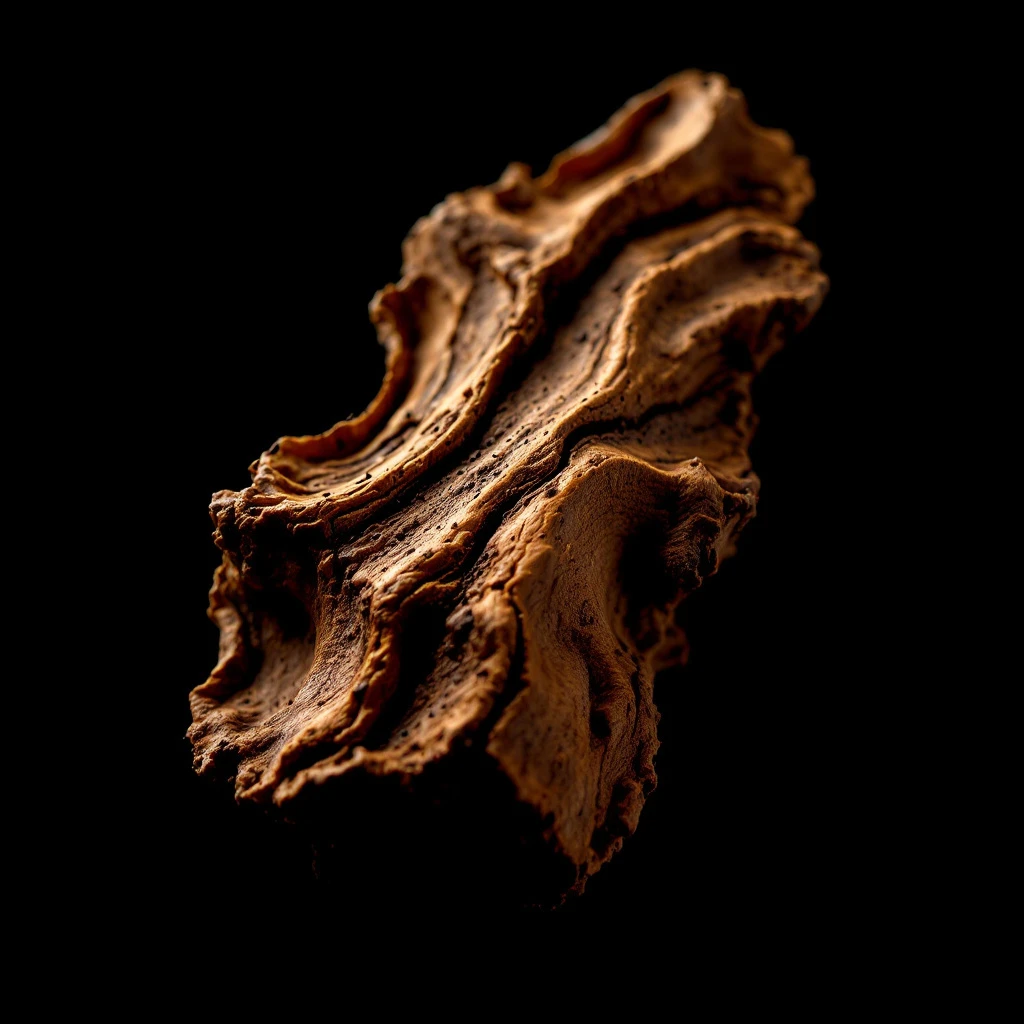
How it smells
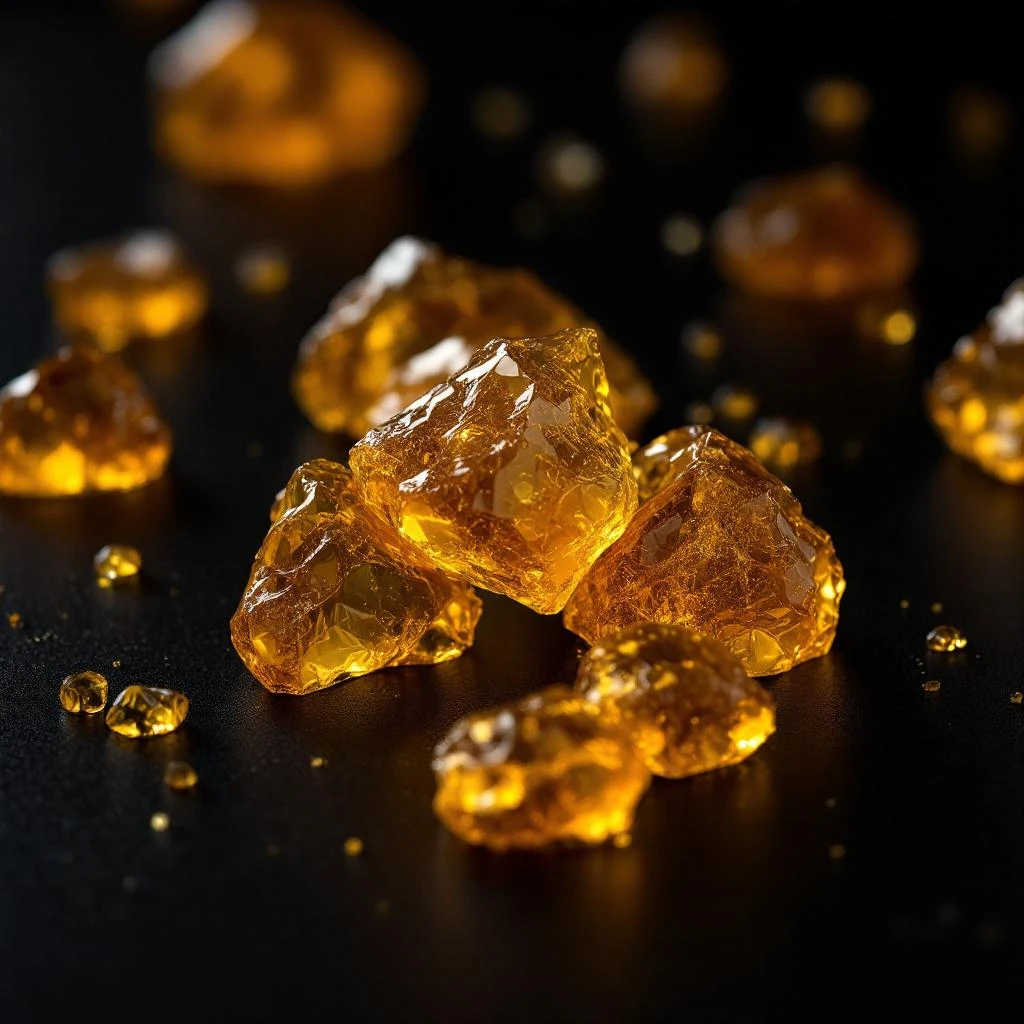
Pacific sandalwood, rare and creamy.
Sandalwood oils rank among the most counterfeited fragrance ingredients globally, making authentic origin sources valuable to perfumers.




Origin
Vanuatu
Pacific island cultures have treasured sandalwood for centuries, using it in ceremonial rituals and traditional medicine long before Western perfumery discovered its appeal. Ancient texts from India first recorded sandalwood perfume qualities around 700 BC, but Polynesian and Melanesian peoples independently recognized the wood's sacred properties.
During the 19th century, Pacific sandalwood stocks faced pressure from global demand, prompting conservation measures that now regulate harvest. Today, Vanuatu represents one of the few remaining sustainable sources of Santalum yasi, preserving both a fragrant heritage and an ecological balance that island communities maintain through careful stewardship.
Wears it best
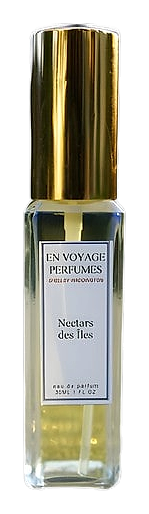
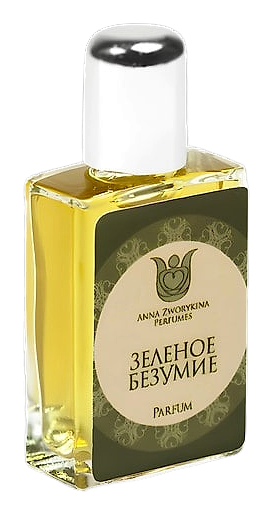
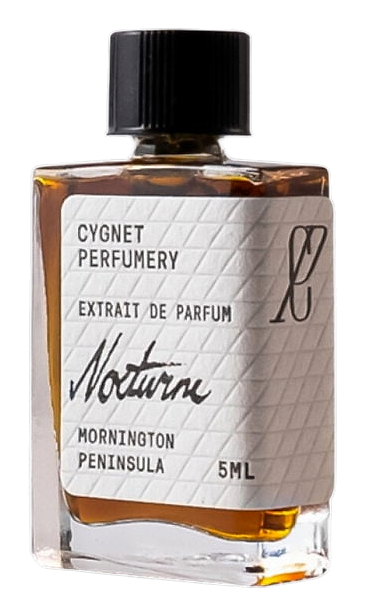
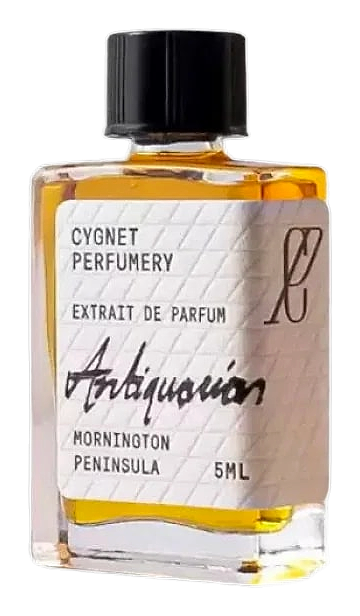
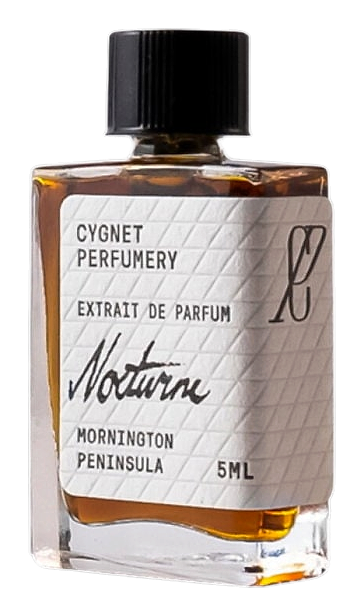
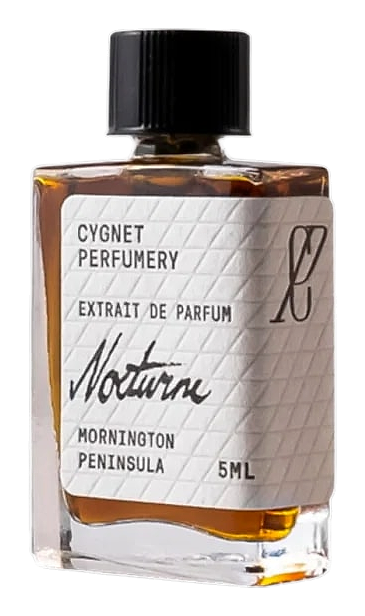
Fragrances featuring Vanuatu Sandalwood
Brands
Brands known for Vanuatu Sandalwood
Good to know
Questions, answered
The essentials on Vanuatu Sandalwood in perfumery: how it smells, where it comes from, and how it behaves on skin.
What does Vanuatu sandalwood smell like?
Vanuatu sandalwood offers warm, creamy, slightly sweet woody notes with a distinctive milky quality. It differs subtly from Indian sandalwood, presenting a lighter, more delicate character that blends well with floral and citrus elements.
Is Vanuatu sandalwood sustainable?
Sustainable harvesting practices govern Vanuatu sandalwood production. Island communities regulate collection through traditional stewardship methods, and certified sources ensure replanting maintains forest health for future generations.
How long does sandalwood take to develop its fragrance?
Sandalwood trees require 15 to 30 years minimum to develop usable heartwood with full aromatic compounds. The dense inner core, where the finest fragrance concentrates, forms slowly over decades of growth.
What distinguishes Pacific sandalwood from Indian sandalwood?
Pacific sandalwood (Santalum yasi) differs botanically from Indian sandalwood (Santalum album). Aromatically, Pacific varieties tend toward lighter, more transparent woody notes, while Indian sandalwood offers deeper, richer creaminess.
Can sandalwood be synthetically reproduced?
Synthetic sandalwood materials like Sandalore and Javanol attempt to replicate natural sandalwood's woody character. However, natural sandalwood contains hundreds of aromatic compounds that synthetics cannot fully replicate.
What fragrance families pair well with sandalwood?
Sandalwood anchors oriental, woody, and fougere compositions effectively. It harmonizes with vanilla, jasmine, rose, and citrus notes, providing a warm base that extends the longevity of lighter top notes.
How is sandalwood oil quality measured?
Sandranol content serves as a primary quality indicator for sandalwood oil. High-quality Santalum yasi oil typically contains 30 to 45 percent santalols, determining its aromatic potency and commercial value.
Does Vanuatu export raw wood or only essential oil?
Regulations typically restrict raw wood export from Vanuatu, encouraging domestic distillation. This policy supports local processing and ensures sustainable harvesting practices remain under community oversight.