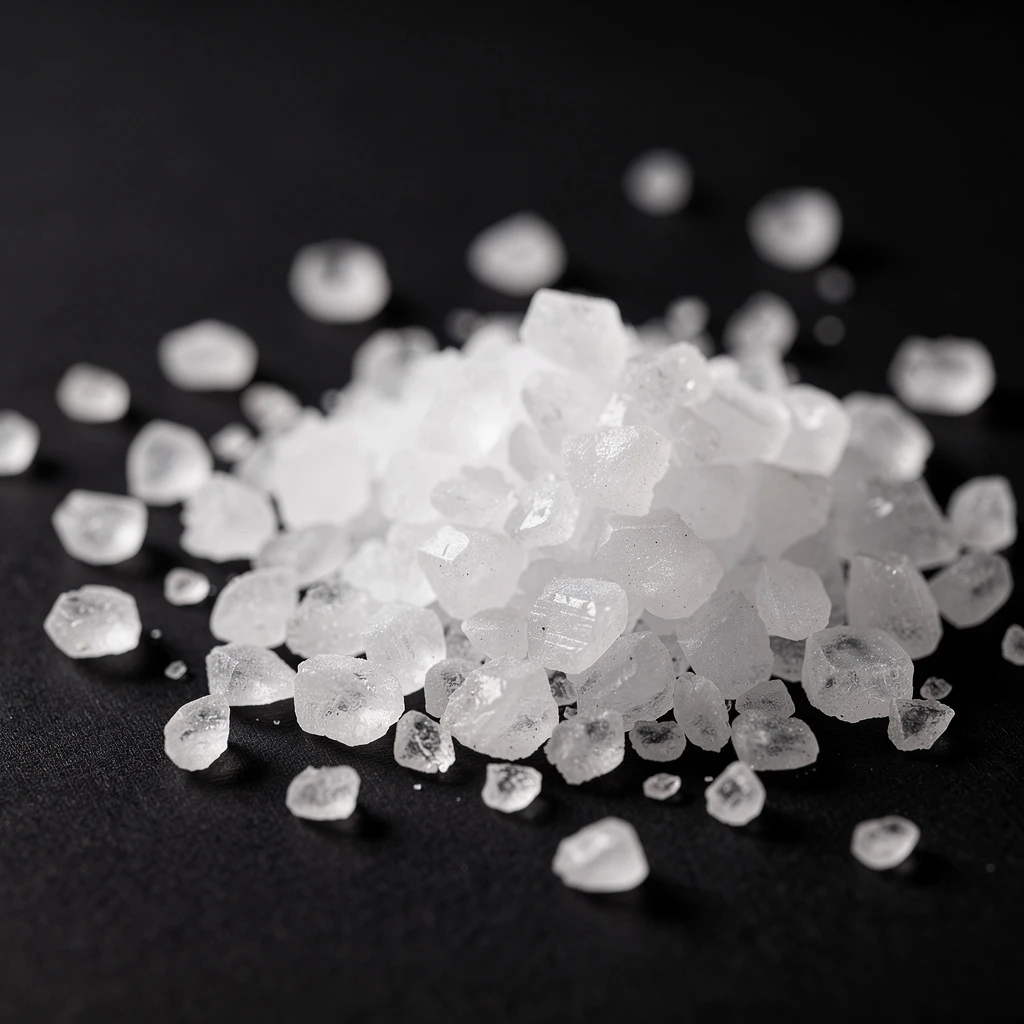
Steam
Steam carries aromatic molecules from plant material, condensing them into precious essential oils. This centuries-old technique remains the industry standard for extracting pure, potent fragrance compounds.
Character
How it smells
Fire meets water. Ancient wisdom in every drop.
Avicenna refined steam distillation in the 11th century using the alembic pot, making essential oils widely available for the first time.

Origin
Iran
The origins of steam distillation trace back to ancient Mesopotamia around 1200 BCE, where early perfumers first experimented with solvent extraction methods. However, the technique we recognize today emerged through incremental refinements across civilizations. The ancient Egyptians developed enfleurage around 2000 BCE, infusing fats with flower petals to capture scent.
Greek perfumers advanced liquid perfume production, while Roman and Persian artisans continued refining extraction methods. The transformative breakthrough came in the 11th century when Persian physician Avicenna documented and improved the alembic pot, enabling more controlled steam-based extraction. Medieval Arab chemists built upon his work, spreading the technology through trade routes connecting the Middle East, India, and Europe.
By the 18th century, steam distillation had become the dominant extraction method, a position it maintains today. The technique enabled Europeans to produce essential oils at industrial scale, fueling the growth of modern perfumery in Grasse, France, and later influencing fragrance industries worldwide.
Wears it best
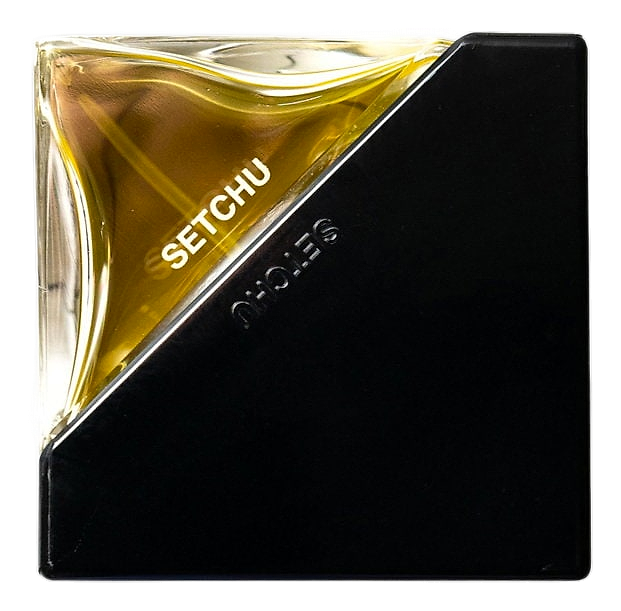
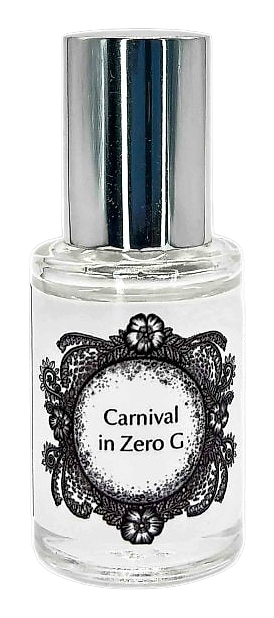
Fragrances featuring Steam
Brands
Brands known for Steam
Good to know
Questions, answered
The essentials on Steam in perfumery: how it smells, where it comes from, and how it behaves on skin.
What is steam distillation in perfumery?
Steam distillation extracts essential oils by passing pressurized steam through plant material, causing aromatic molecules to vaporize and condense into pure oil. The technique is preferred because it extracts compounds at temperatures below their decomposition point, preserving delicate fragrance molecules that direct heat would destroy.
Which fragrance ingredients use steam distillation?
Steam distillation produces essential oils from cardamom, cumin, coriander seeds, cedarwood, sandalwood, and many spice oils. The method suits dense plant materials like roots, bark, and seeds that resist solvent extraction. Most woody, herbaceous, and spice materials in perfumery undergo steam distillation.
Why does steam distillation preserve fragrance quality?
Steam vaporizes aromatic compounds at lower temperatures than their actual boiling points, preventing thermal degradation. A typical steam distillation runs between 100 and 140 degrees Celsius, whereas direct burning would exceed 200 degrees. This gentle processing maintains the full aromatic profile of the source material.
What is the difference between essential oil and hydrosol?
Essential oil floats above the water condensate and gets collected separately, while hydrosol is the aromatic water remaining below. The hydrosol retains water-soluble compounds and is used in cosmetics and aromatherapy. Both products result from the same steam distillation process, making it highly efficient.
How long does steam distillation take?
A single steam distillation cycle typically runs between 4 and 12 hours depending on the botanical material. Dense materials like roots and bark require longer extraction times than delicate flowers or leaves. Industrial operations sometimes run continuous cycles to maximize output.
Can steam distillation damage plant material?
Steam is gentler than solvent extraction, but excessive pressure or temperature can degrade sensitive aromatic molecules. Experienced distillers calibrate parameters for each botanical species, adjusting steam pressure and flow rate to balance extraction efficiency with fragrance preservation.
What equipment is used in steam distillation?
The core equipment includes a sealed distillation tank, a steam generator, a cooling condenser, and a collection vessel for separating oil from water. Traditional copper alembics remain popular among artisan producers, while industrial facilities use stainless steel for consistency and scale.
How does steam distillation compare to solvent extraction?
Steam distillation produces purer essential oils with no residual solvents, making them preferred for natural fragrance formulations. Solvent extraction yields absolutes with richer, more complex profiles but may contain trace chemical residues. Steam-distilled oils are typically lighter in character and composition.