







The Heritage
The Story of A House On The Moon
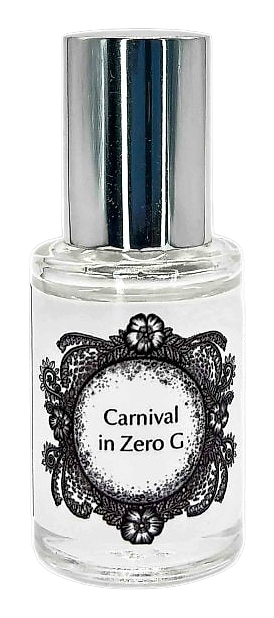
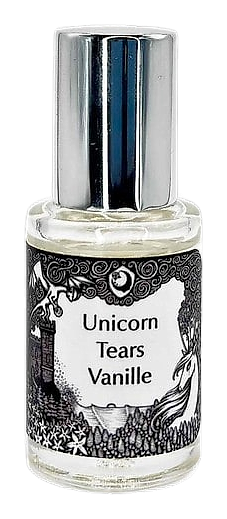
A House on the Moon creates indie fragrances that blend literary imagination with a clear ecological ethic. Each scent is formulated without animal ingredients, packaged in recyclable glass, and linked to a charitable action such as tree planting or ocean‑plastic removal. The line includes titles like Carnal Ghost, Summer House on the Moon and Unicorn Tears Vanille, each designed to evoke a story as vivid as the perfume itself.
Heritage
The brand emerged in the late 2010s when a small collective of scent enthusiasts sought a way to marry narrative inspiration with responsible production. Their first public launch, Summer House on the Moon, arrived in 2019 and was followed by a series of releases that each referenced a different artistic or literary motif. Early on, the founders partnered with a reforestation nonprofit, pledging that every bottle sold would fund the planting of a tree in a degraded forest. By 2021 the company expanded its charitable scope, adding a program that removes a kilogram of ocean plastic for each 50 ml bottle sold. The growth has remained deliberately modest; production stays in small batches to preserve quality and to keep the environmental impact low. In 2023 the house announced a collaboration with a women‑focused charity, directing a portion of proceeds from the fragrance Altar of Love to support education initiatives. Throughout its evolution, the brand has kept a transparent supply chain, publishing ingredient lists and sourcing details on its website, and it continues to prioritize vegan, cruelty‑free standards while experimenting with both natural absolutes and responsibly created synthetics.
Craftsmanship
Production takes place in a modest studio in the United States, where small‑batch blending allows perfumers to monitor each step closely. Raw materials are sourced from growers who practice regenerative agriculture, and the house maintains a list of certified suppliers for ingredients such as sustainably harvested sandalwood and responsibly cultivated vanilla beans. When a natural raw material is scarce or its extraction threatens biodiversity, the team substitutes a high‑quality synthetic analogue that replicates the scent profile without compromising the ecological balance. The blending process follows a traditional oil‑based method, but the final perfume is diluted in a blend of ethanol and a small percentage of natural glycerin to enhance skin compatibility. Bottles are hand‑filled, sealed with a recyclable metal cap, and packaged in recycled cardboard printed with soy‑based inks. Each shipment includes a QR code that links the buyer to a dashboard showing the exact number of trees planted or kilograms of plastic removed as a result of their purchase. Quality control involves both analytical testing for stability and a sensory panel that evaluates the fragrance against the original artistic brief, ensuring the final product remains true to its narrative intent.
Design Language
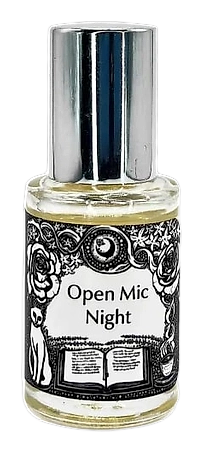
The visual language of A House on the Moon mirrors its literary roots. Bottle silhouettes are slender and slightly tapered, reminiscent of a quill pen, while the glass is clear to showcase the perfume’s hue. Labels feature a muted palette of moonlit blues, soft grays and occasional pastel accents that hint at the story behind each scent. Typography is clean, using a modern serif that evokes the feel of a classic book cover. Caps are finished in brushed aluminum, engraved with a tiny lunar motif that ties the collection together. Limited‑edition releases receive a foil‑stamped sleeve that includes a short excerpt or illustration related to the fragrance’s inspiration, turning the packaging into a collectible piece of art. The overall aesthetic balances minimalism with a touch of whimsy, inviting the consumer to pause and imagine the narrative that each scent promises.
Philosophy
A House on the Moon views perfume as a narrative medium rather than a mere accessory. The creative team draws from classic novels, modern poetry and visual art, translating themes such as love, loss and adventure into olfactory form. Sustainability is not an afterthought; it is woven into the creative process from the start. Ingredients are chosen for their ecological footprint, with a preference for plant‑derived absolutes that are harvested using fair‑trade practices. Synthetic notes are employed when they reduce the need for over‑harvested natural resources, and every formula is tested to ensure it meets vegan certification. The brand also believes that a scent should leave a positive trace beyond the wearer, which is why each purchase triggers a measurable environmental action. This dual focus on storytelling and stewardship guides every decision, from the choice of a rare Bulgarian rose to the design of a refillable glass atomizer.
Key Milestones
2018
Founding of A House on the Moon by a collective of fragrance enthusiasts seeking an eco‑conscious, story‑driven brand.
2019
Launch of the debut fragrance Summer House on the Moon, establishing the brand’s literary‑inspired direction.
2020
Release of Carnal Ghost, the first scent to pair a charitable tree‑planting pledge with each purchase.
2021
Introduction of an ocean‑plastic removal program, pledging one kilogram of plastic cleared per 50 ml bottle sold.
2022
Unicorn Tears Vanille debuts, featuring a vegan formulation and a partnership with a women’s education charity.
2023
Altar of Love released, with a portion of proceeds supporting global literacy initiatives.
At a Glance
Brand profile snapshot
Origin
United States
Collection
1
Fragrances released
Avg Rating
4.0
Community sentiment


