Silver Fir Needle
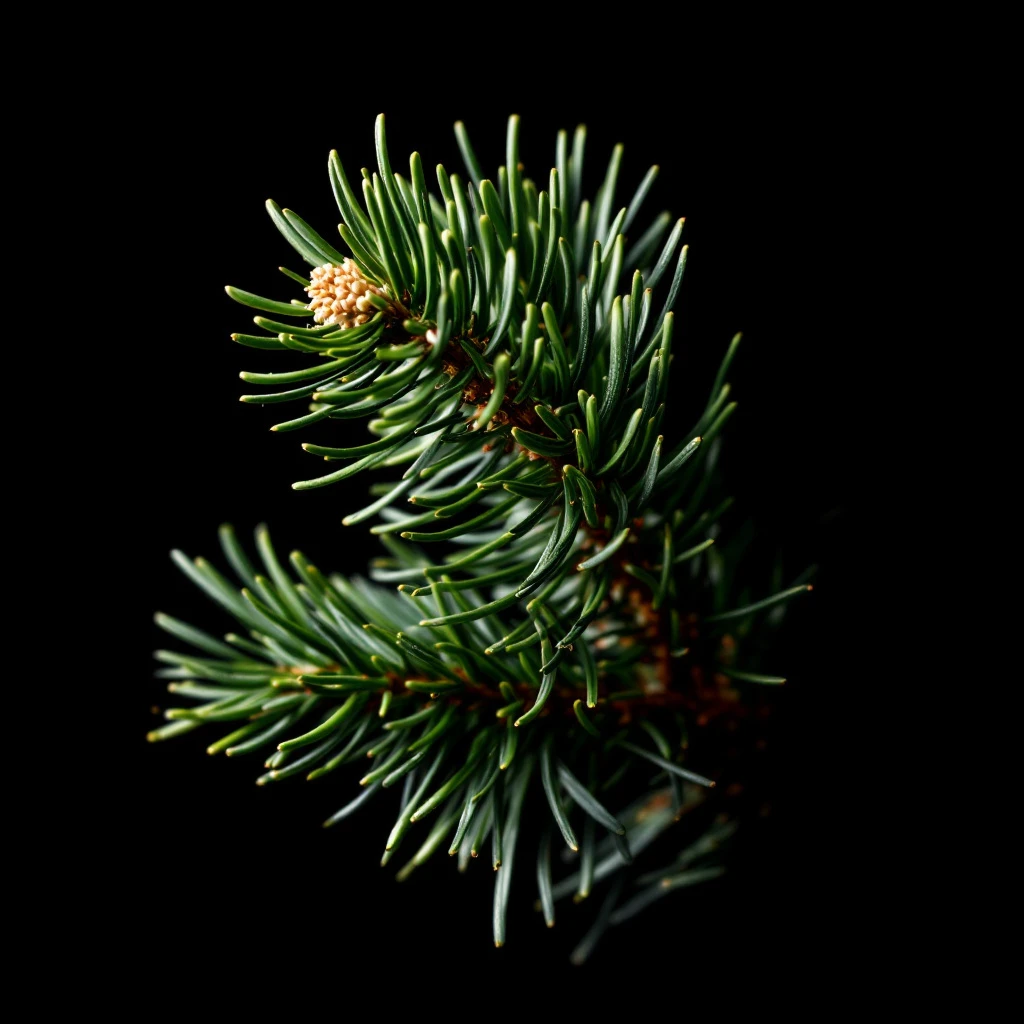
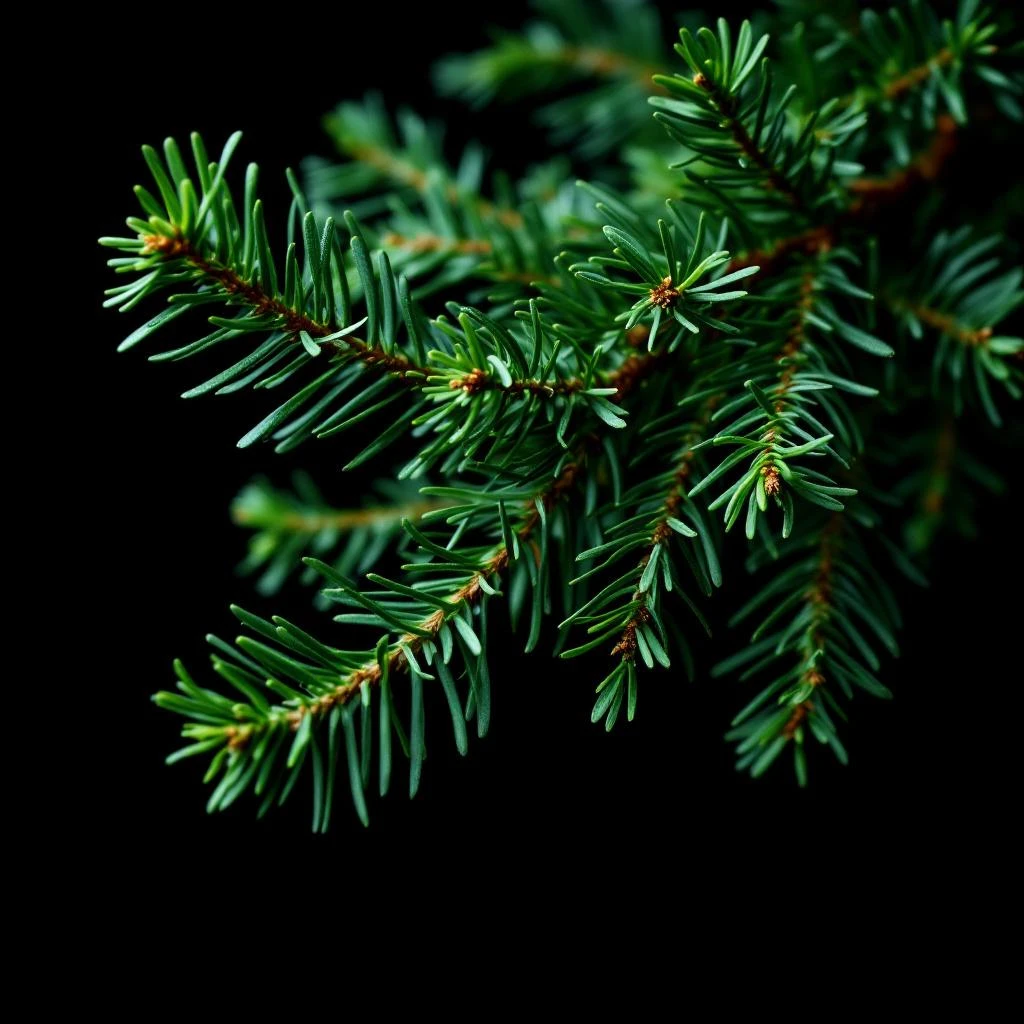
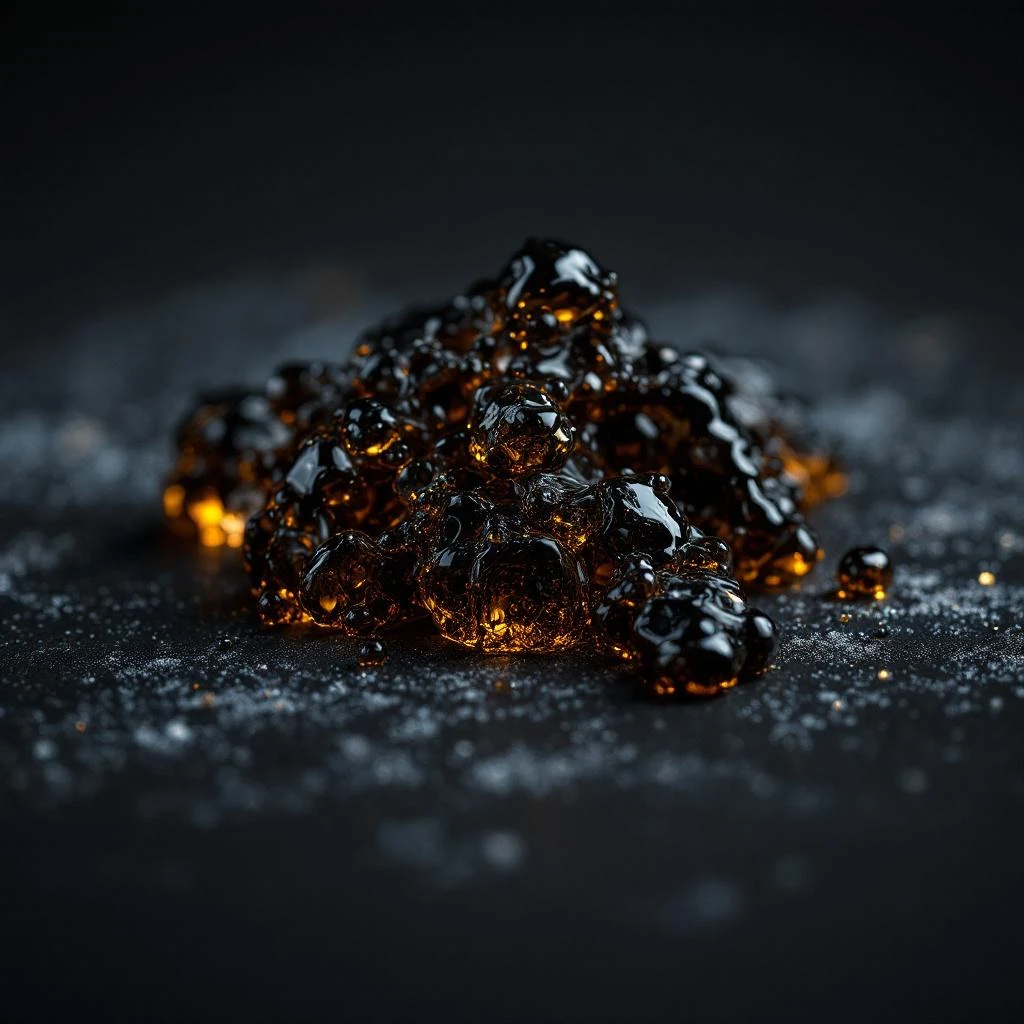
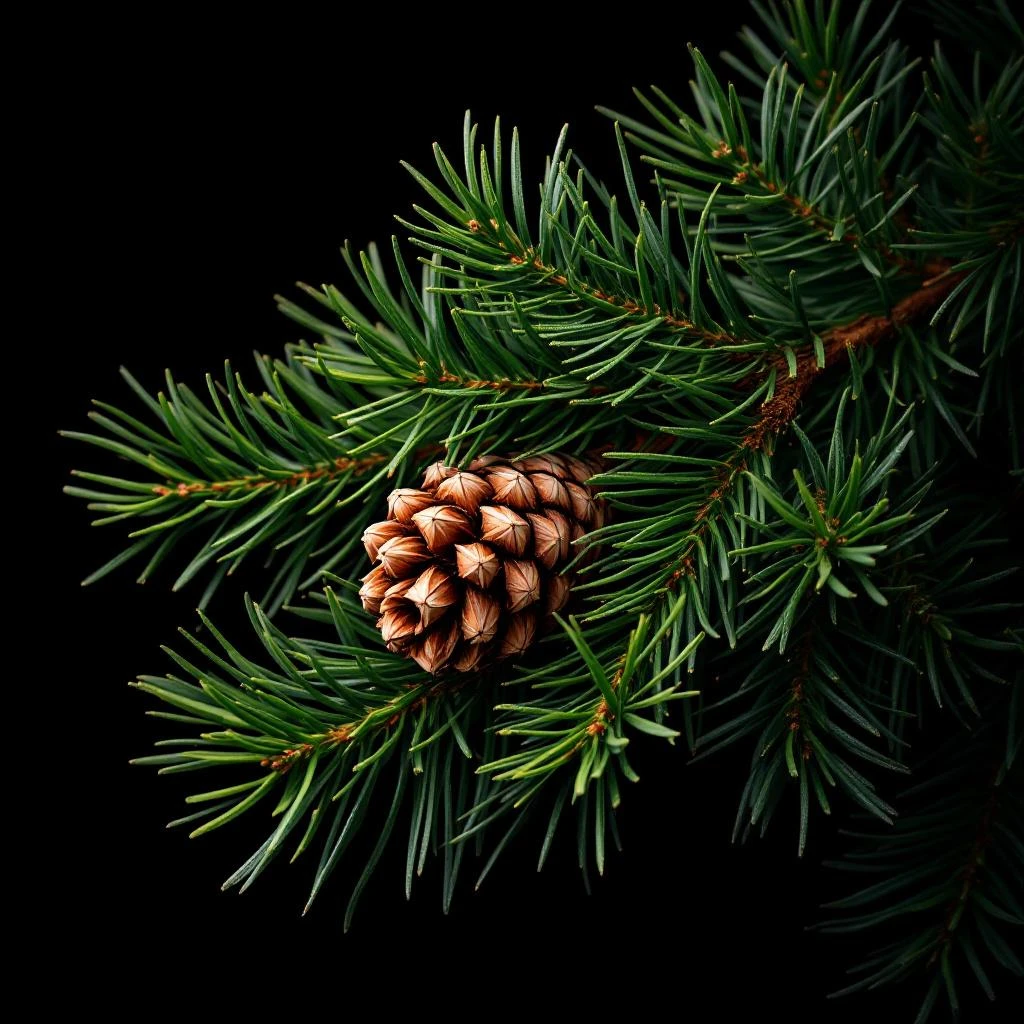
Silver Fir Needle delivers a crisp, resinous aroma drawn from the evergreen forests of Europe. Its sharp green character anchors coniferous compositions with a cold, invigorating edge that recalls alpine air and damp moss.
Character
How it smells
Crisp alpine air in every drop
Templin oil, a historic relative, was once distilled exclusively from silver fir cones, a practice now nearly lost to commercial production.
Origin
Austria
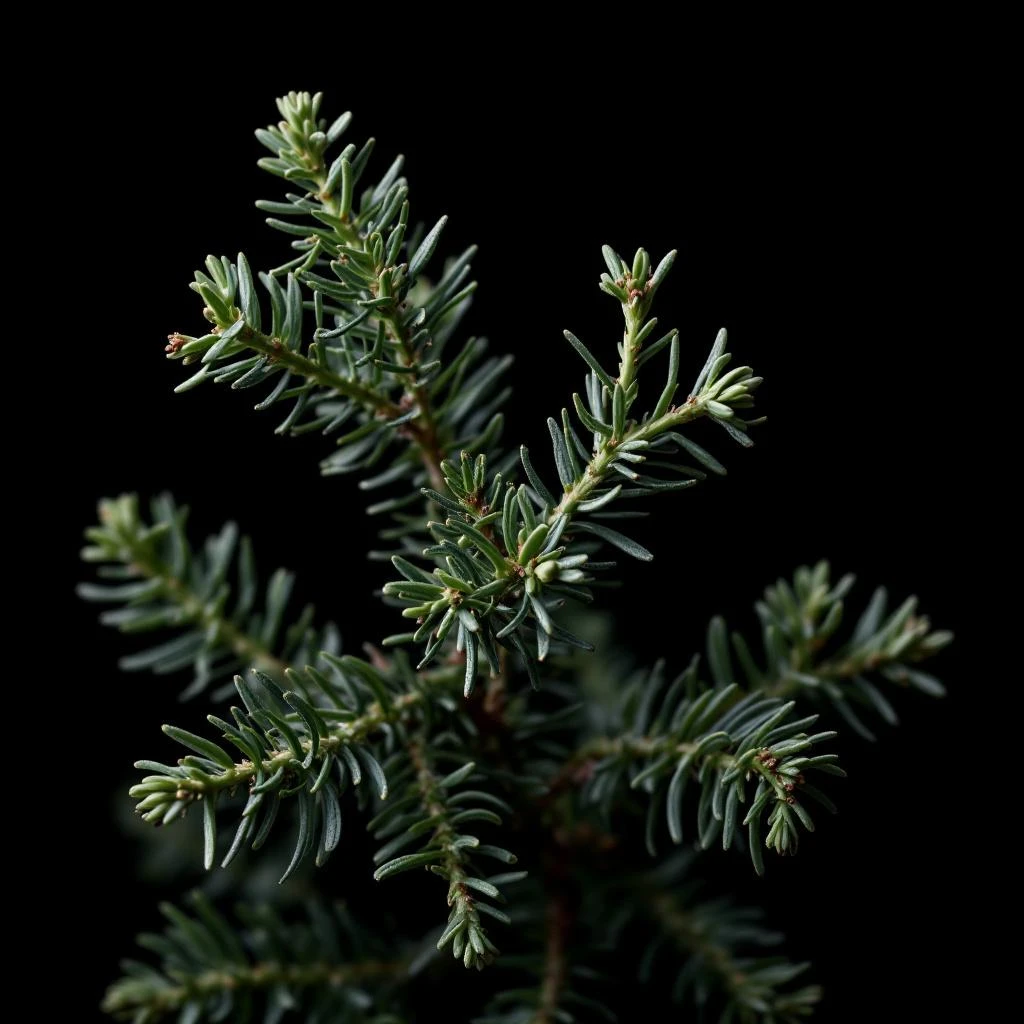
The silver fir has shaped European forest culture for millennia, dominating the montane woodlands from the Pyrenees to the Carpathians. Distillation of its aromatic parts became widespread across Alpine villages during the 19th and early 20th centuries, when small rural stills produced fir needle oil for medicinal baths, respiratory remedies, and household cleaning.
Russian village distilleries turned out silver fir oil in significant volumes through the early 1900s, supplying both domestic markets and emerging European perfumery houses. A separate product called Templin oil came from the young cones, prized for its finer, more delicate character.
As synthetic aroma chemicals became cheaper after World War II, traditional fir distillation contracted sharply. Today, silver fir occupies a respected niche in fine fragrance, valued for its natural authenticity and the cool, resinous depth it lends to chypre, fougère, and forest-inspired compositions.
Wears it best
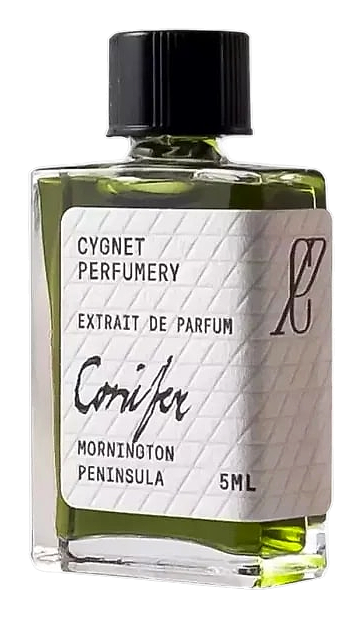
Fragrances featuring Silver Fir Needle
Brands
Brands known for Silver Fir Needle
Good to know
Questions, answered
The essentials on Silver Fir Needle in perfumery: how it smells, where it comes from, and how it behaves on skin.
What does silver fir needle smell like in perfumery?
Silver fir needle smells crisp, green, and resinous with a cool, balsamic sweetness. The aroma carries sharp pine-like top notes that soften into warm, woody undertones, making it ideal for forest-inspired and coniferous fragrances.
Is silver fir needle the same as pine?
No. Silver fir needle comes from Abies alba and offers a softer, sweeter profile than most pine oils, thanks to its high bornyl acetate content. Pine oils tend to be sharper and more turpentine-like in comparison.
How is silver fir needle oil produced?
Silver fir needle oil is steam distilled from freshly harvested branches and needles. Yields are extremely low, ranging from 0.25 to 0.35 percent, meaning approximately 300 kilograms of raw material produce just one kilogram of essential oil.
What is the difference between silver fir and Siberian fir?
Silver fir refers to Abies alba, native to European mountain forests, while Siberian fir comes from Abies sibirica in Russia. Both share similar aromatic profiles, though Siberian fir typically contains higher concentrations of bornyl acetate.
Where does silver fir needle oil originate?
Silver fir needle oil primarily originates in the mountainous regions of central Europe. Austria's Tyrol, Germany, Poland, Sweden, and Russia remain key production areas, with Abies alba forests spanning from the Pyrenees to the Carpathians.
What was Templin oil historically?
Templin oil was a historic essential oil distilled from the young cones of silver fir rather than its needles. Valued for its delicate, fine character, this product has largely disappeared from commercial production in modern times.
Is silver fir needle oil safe for skin application?
Silver fir needle oil is generally considered safe when properly diluted in a carrier oil. It can cause sensitivity in some individuals, so a patch test is recommended before broader topical use, especially for those with respiratory conditions.
Which fragrance families use silver fir needle?
Silver fir needle appears frequently in chypre, fougère, and aromatic compositions. Its crisp, resinous quality also makes it a valued addition to cologne-style fragrances, outdoor or woody themes, and holiday-inspired scent profiles.