

Heritage
A house, in its own words
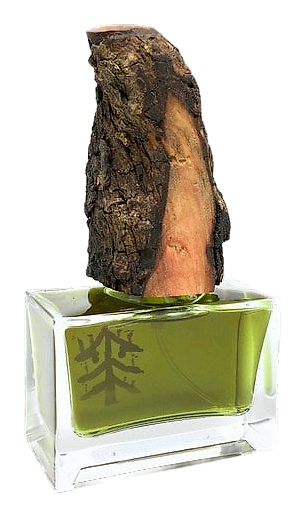
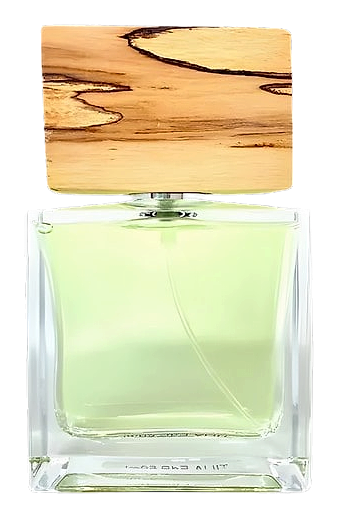
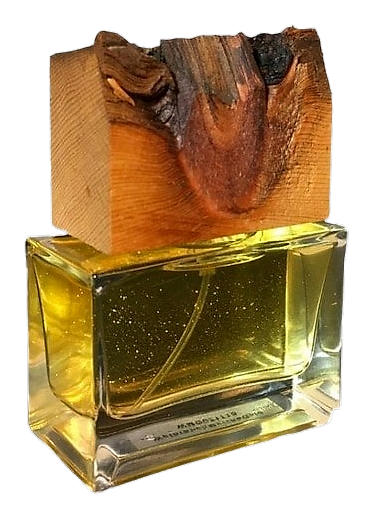
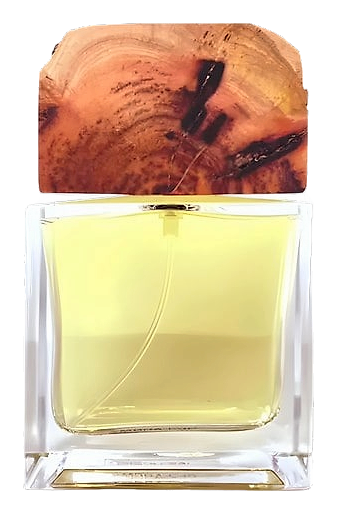
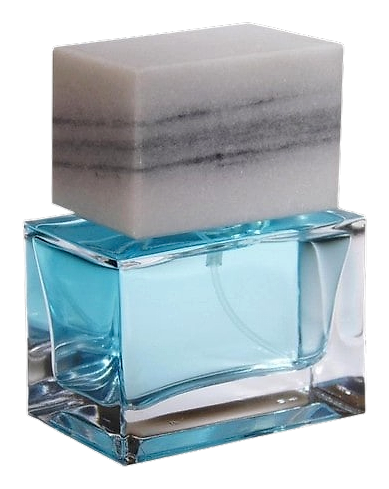
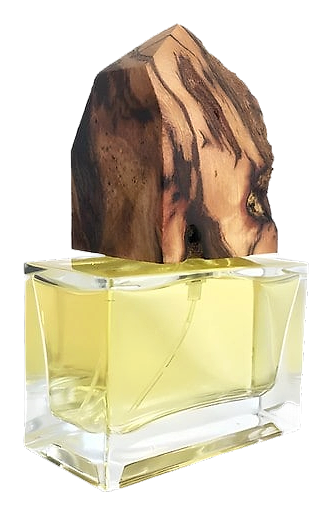
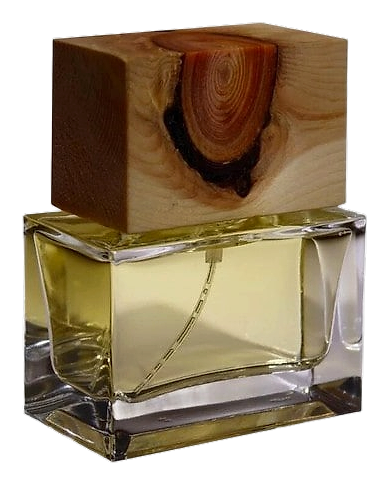
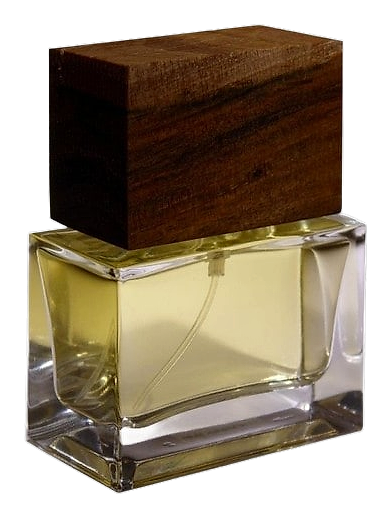
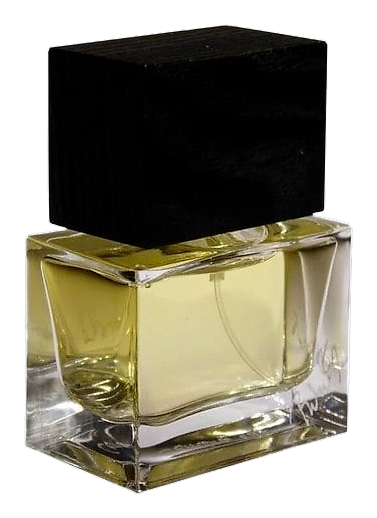
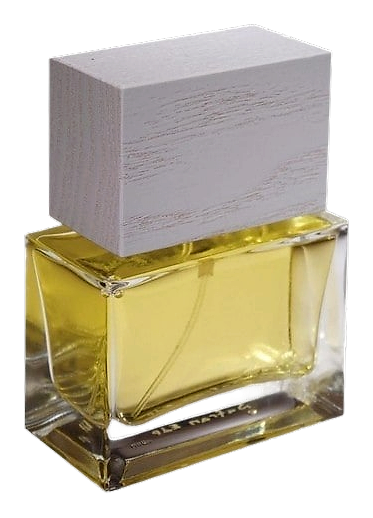
The supplied research does not provide a verified founding story for Bibi Bigler. It places the name alongside material from the French perfume house Houbigant, founded in 1775 by Jean-François Houbigant, whose early business was established at 19 Faubourg Saint-Honoré in Paris. That history belongs to Houbigant and should not be treated as Bibi Bigler's corporate history without further documentation. For Bibi Bigler itself, the clearest historical evidence comes from its dated fragrance portfolio. Cembra appears in 2009, followed by Neroli Splash and Splendur in 2010. Mandarine Mythos was released in 2017, while The Tree is dated 2018 and Mystic Mastic appears in the catalog from 2020. Ambra and Tilia are listed as 2024 releases. The sequence shows a sustained focus on extract de parfum creations across different olfactory families, from citrus and neroli to woods, resins, flowers, and gourmand accords. Tuberose and Whisky are also part of the house's catalog, but no launch dates were supplied for them. Because independent sources in the research do not outline Bibi Bigler's founding, ownership, or evolution, those details remain unconfirmed here. The fragrance record offers a more reliable account than a generalized luxury-house narrative, tracing a portfolio that developed across more than a decade and broadened its expressive range while retaining a strong emphasis on concentrated perfume. Bibi Bigler's creative direction can be read through its fragrance names and compositions rather than through a documented corporate manifesto. Names such as The Tree, Cembra, Ambra, Tilia, Mystic Mastic, Whisky, and Tuberose foreground sensory materials, natural references, and imagined atmospheres. Cembra and The Tree suggest a deliberate interest in wood, bark, and forest-like textures, while Ambra, Mystic Mastic, and Splendur point toward resinous, ambered, and enveloping accords. Neroli Splash and Mandarine Mythos introduce a brighter citrus register, balancing the darker materials elsewhere in the line. Tuberose brings a floral, green-leaning convention into focus, and Whisky extends the house's interest into warm, boozy gourmand territory. Across these varied compositions, the common thread appears to be an effort to make materials feel vivid and dimensional. The catalog does not simply repeat a single aesthetic. It moves between luminous citrus, white floral freshness, dry woods, resins, and rich amber-gourmand effects. That breadth suggests a fragrance philosophy based on contrast, texture, and atmosphere. No perfumers are linked in the supplied information, so authorship cannot be assigned to specific composers. Likewise, there is no verified statement from Bibi Bigler explaining its formulation principles or cultural references. Its approach is best described through the portfolio itself, with each title acting as a distinct study in mood, material, and olfactory contrast.