The Story
Why it exists.
The beginning
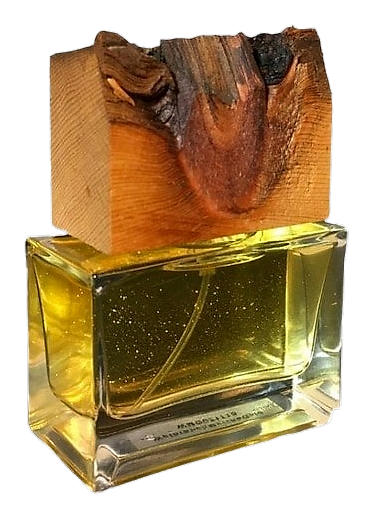
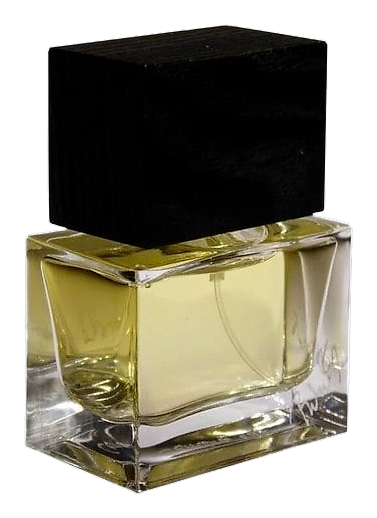
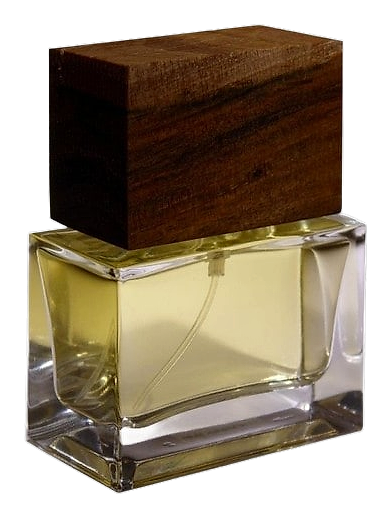
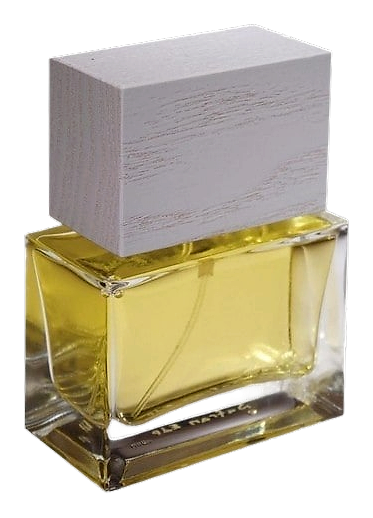
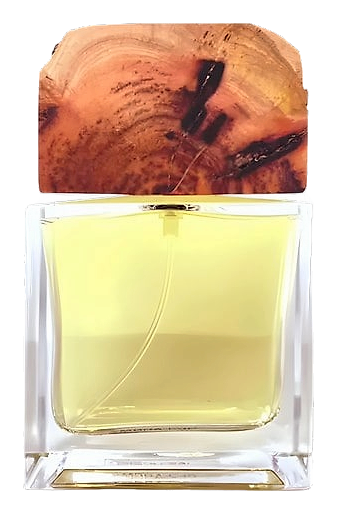
Ambra translates roughly as amber, but in Italian perfumery it is more than a word. It suggests a direction, a gravitational pull toward resin, sweetness, and the slow accumulation of warmth. The composition is dense and enveloping, shaped around a darker expression of amber that feels less polished and more atmospheric. Its character rests in the tension between shadowed woods, softened sweetness, and a warm, skin-like finish. Ambra does not announce itself with a single bright gesture. It gathers slowly, leaving behind a scent that seems to have absorbed the air around it: close, textured, and quietly magnetic.
The composition earns its weight through the way its textures meet. A floral presence can introduce a polished brightness, while resinous elements deepen it, giving the impression of a bruised petal. The result is neither innocent nor stark, but layered and slightly shadowed. Dense materials add a balsamic, almost sticky quality, while woods lend structure beneath the softness. Sweet notes are restrained enough to preserve the darker mood, and patchouli contributes an earthy, vegetal undertone that keeps the composition grounded.
The evolution
The opening is bright but measured, with a brief lift of citrus softened by warm, resinous facets. Rather than remaining sharp, the scent quickly moves inward, as though a polished surface is giving way to something darker and more tactile. The heart is the longest and most substantial phase, a slow-moving cloud of resin and flower that hovers close to skin. Its floral character gains weight through the surrounding materials, while deeper notes lend a balsamic sweetness and a damp, earthy dimension. As the hours pass, the composition gradually becomes less floral and more woody, with amber tones settling into the background. What remains is warm, powdery, and intimate: a finish that lingers as a soft trace rather than a loud declaration.
Cultural impact
Wearers describe Ambra as the fragrance of someone who has already arrived, settled in, and stopped explaining themselves. It carries a sense of composure and quiet confidence, presenting warmth as a personal atmosphere rather than an act of display. The animalic edge gives it a quiet eroticism, but the effect reads as closeness and familiarity rather than overt seduction. Its resinous and woody facets evoke enduring amber traditions while remaining modern in their restraint. As the scent settles, it becomes less about drawing attention and more about leaving a lingering impression of depth, warmth, and controlled sensuality.
The House
Bibi BiglerBibi Bigler is a Swiss niche fragrance house known for concentrated extrait de parfum compositions built around tactile woods, resins, citrus, flowers, and gourmand notes. Its catalog includes The Tree, introduced in 2018, Cembra from 2009, Splendur from 2010, and later releases such as Ambra and Tilia in 2024. Earlier works include Neroli Splash, Mandarine Mythos, Mystic Mastic, Tuberose, and Whisky. The brand is associated with Houbigant in the supplied research, although the material does not establish Bibi Bigler's own founding date, founder, manufacturing methods, or a definitive company history. Silloria presents Bibi Bigler as a distinct fragrance label with a richly textured and expressive olfactory style.
The Creator
Sileno CheloniCheloni gravitates toward rich, structured materials. Woods, resins, and precious florals anchor his compositions, giving them weight and longevity.