The Story
Why it exists.
The beginning
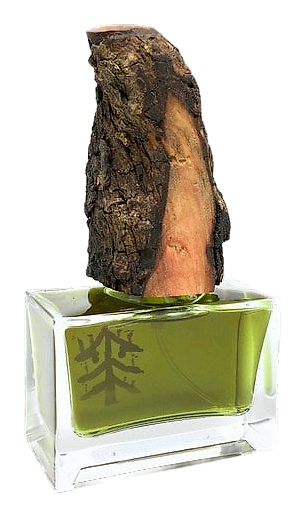
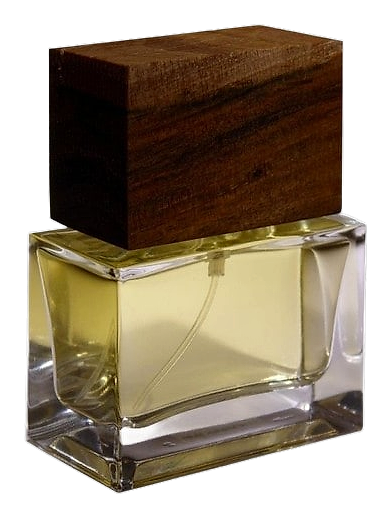
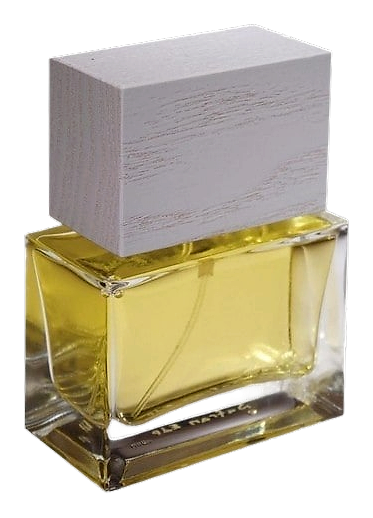
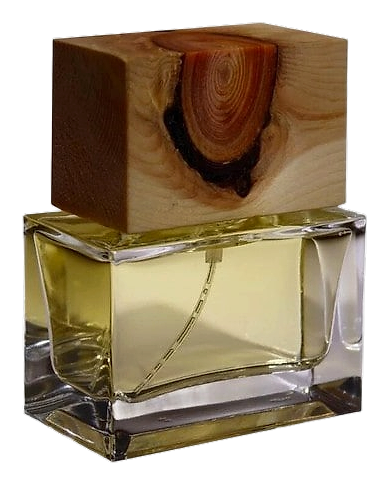
Cembra was created by Bibi Bigler and released in 2009, a year that placed the fragrance within the house's early, date-stamped portfolio. Its name points toward the Swiss stone pine, a natural reference that fits the composition's brisk opening of bergamot, larch, pine, and Silver Pine. The idea appears less like a literal forest postcard than a study in contrast: cool evergreen brightness moving toward aromatic herbs, mossy woods, and warm balsam. Bibi Bigler's catalog is built around tactile natural materials and concentrated compositions, and Cembra fits that brief with a clear tension between alpine freshness and resinous depth. For you, that means a fragrance that can begin in clean air and finish close to skin, carrying the feeling of bark, needles, and sun-warmed wood rather than a simple citrus sparkle.
The unusual part of Cembra is how naturally its contrasts work. Bergamot and the pine family create brightness without turning the composition into a generic citrus scent. Clary Sage and Mimosa add a green, herbal softness, while Patchouli introduces an earthy turn that makes the woods feel grounded and tactile. Labdanum, Oakmoss, Amber, and Tolu Balsam give the base a warm, resinous architecture, as if the opening air has gradually settled into shaded bark and polished wood. The result is woody, aromatic, earthy, and balsamic without losing the clean bite that makes it feel open-air. It is a composition for people who want a forest scene with temperature, not just a generic tree note.
The evolution
Cembra begins with a lively alpine impression. Bergamot brings a clean citrus sparkle over the cooler green character of larch, pine, and Silver Pine. As the opening settles, the composition moves through Clary Sage, Mimosa, and Patchouli, adding an herbal pulse and a soft powdery texture. The forest gradually becomes less pristine and more intimate. Patchouli gives the middle an earthy turn, while the base materials introduce warmth through Labdanum, Tolu Balsam, Amber, and Oakmoss. The surprising shift is from air to skin: a crisp pine landscape becomes a close, resin-scented warmth, as though sunlit bark were brushed against a winter sleeve. Around the 6-8 hour mark, the composition remains present without demanding attention. Amber and balsam often stay closest to the skin, leaving a quiet woody trace that feels more like worn leather and moss than fresh air.
Cultural impact
Cembra sits within Bibi Bigler's niche fragrance culture as a composed, idiosyncratic woodland scent rather than a trend-led release. Its appeal is tied to the pleasure of reading a fragrance closely: alpine freshness, herbal detail, and warm resin all share the same quiet, collector-oriented register.
The House
Bibi BiglerBibi Bigler is a Swiss niche fragrance house known for concentrated extrait de parfum compositions built around tactile woods, resins, citrus, flowers, and gourmand notes. Its catalog includes The Tree, introduced in 2018, Cembra from 2009, Splendur from 2010, and later releases such as Ambra and Tilia in 2024. Earlier works include Neroli Splash, Mandarine Mythos, Mystic Mastic, Tuberose, and Whisky. The brand is associated with Houbigant in the supplied research, although the material does not establish Bibi Bigler's own founding date, founder, manufacturing methods, or a definitive company history. Silloria presents Bibi Bigler as a distinct fragrance label with a richly textured and expressive olfactory style.
The Creator
Bibi BiglerBigler’s fragrance style is most clearly expressed in spicy-woody compositions with chypre structure. The contrast between warm woods, aromatic spice, and chypre accord gives her work a polished but expressive character, balancing comfort with tension.